10 Top Cearte Home Decor Trends for 2026
The Way We Think About Our Homes Is Changing
Remember when good design just meant clean lines , cool grays and a few succulents on a shelf? Yeah, those days are quietly fading out.
If you’ve been feeling like your home decor looks fine but doesn’t quite feel like anything you’re not alone. And honestly, that’s the conversation 2026 is having. This year, design is getting personal. It’s getting warmer, moodier, a little more layered and a whole lot more you.
The big shift?? We’re moving away from spaces that look good in photos but feel kind of hollow in real life. Instead, 2026 is all about homes that have soul spaces that wrap around you at the end of a long day tell a bit of your story, and actually make you want to be in them.
So whether you’re planning a full room refresh or just want to add a few meaningful touches here are the 10 trends shaping how we’ll live and nest this year.
1. Warm Mineral Neutrals Are Taking Over (And Good Riddance to Cool Gray)
If your walls are still rocking that blue gray from 2017! no judgment but it might be time for a change.
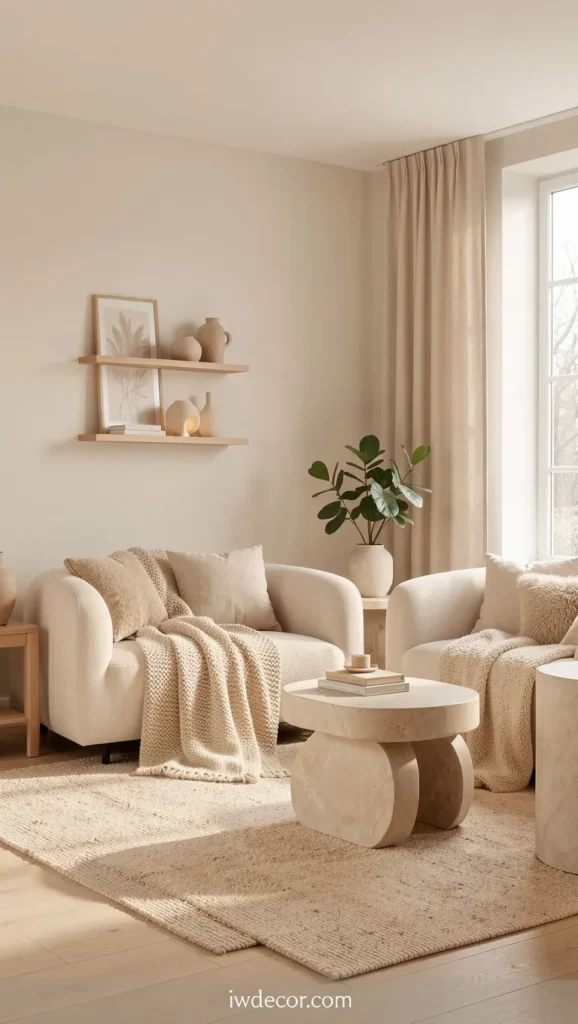
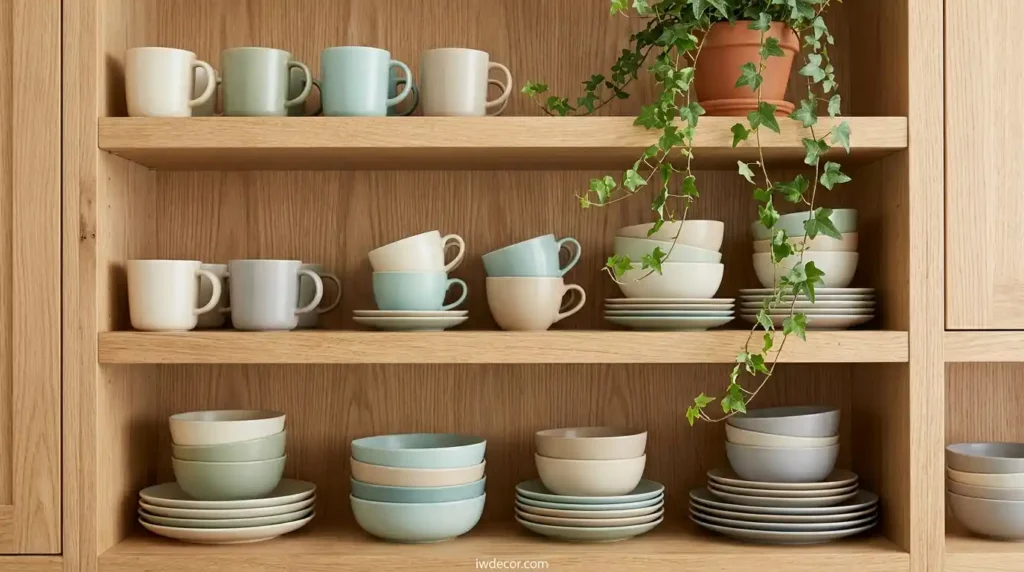
The neutral palette of 2026 is warmer, earthier and so much more inviting. Think putty, mushroom, mellow clay and soft off-whites with organic undertones the kind of colors that make a room feel like a deep exhale. These shades borrow from stone, sand and mist and they work beautifully because they don’t fight with anything. They just settle.
Pair them with natural wood tones and soft, layered lighting a floor lamp here, a candle cluster there and you’ve got a room that feels genuinely cozy rather than just “decorated.” It’s a small shift with a surprisingly big impact.
2. Biophilic Design: Your Home Wants to Go Outside
Here’s a truth that interior designers have known for years but the rest of us are finally catching up to: being around nature even indoors genuinely makes us feel better.
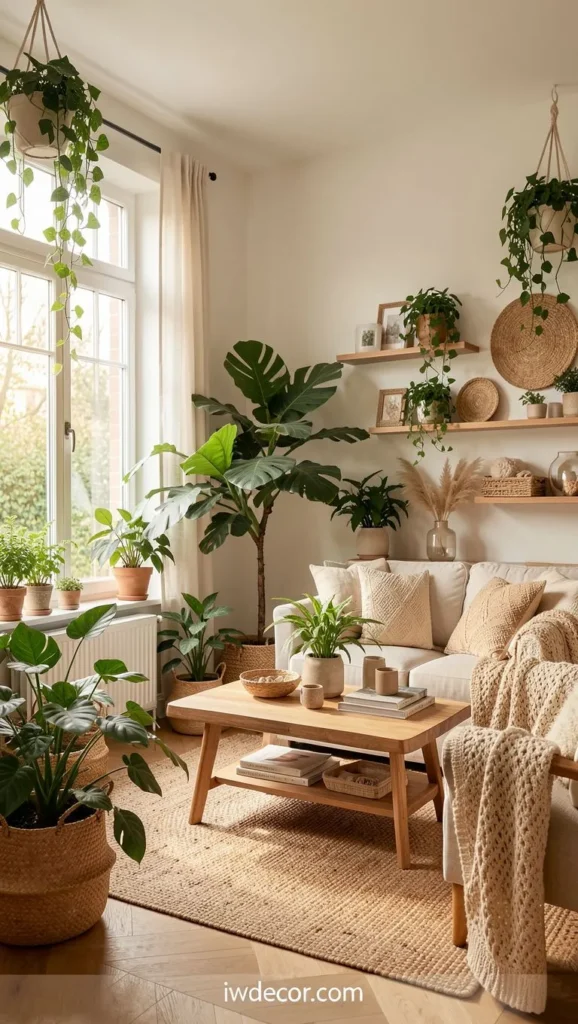
Biophilic design is all about bringing that natural world inside and in 2026, it’s going beyond a single potted plant on the windowsill. We’re talking big, leafy statement plants like monsteras and fiddle-leaf figs, walls of trailing vines, natural stone surfaces, linen textiles and if you’re feeling adventurous, even a small indoor water feature.
The goal is to create spaces that feel lush and alive. Maximize your natural daylight move furniture away from windows, swap heavy drapes for sheer linen panels and let the outside in as much as possible. Your nervous system will thank you.
3. Designing for Wellness: Your Home as a Personal Retreat
This one feels less like a trend and more like a long-overdue priority. After the last few years, people want their home decor to actively support them not just house them.
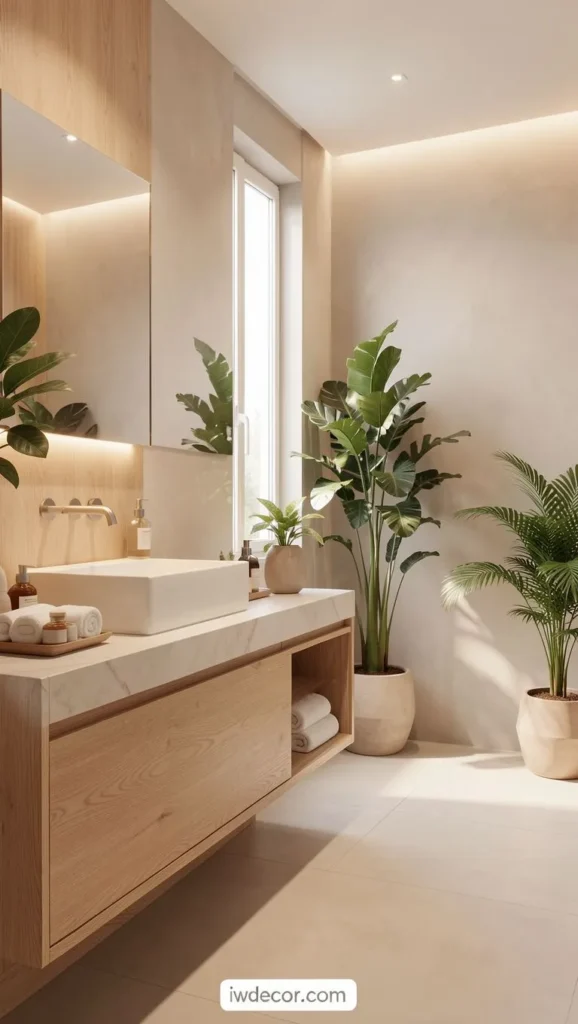
In the bedroom, that means plush, quality bedding (yes, it’s worth the investment), clutter-free surfaces and a wind-down atmosphere that signals to your brain it’s safe to relax. In the bathroom, think natural materials like bamboo and stone, a candle or a diffuser with eucalyptus or lavender and maybe a thick towel that feels like a small luxury.
But the real game-changer? Carving out a small corner just for stillness. It doesn’t have to be a whole meditation room even a single comfortable chair by a window with a small table for your tea counts. Designating a space for quiet tells your brain that rest is a priority in this home decor. And that matters more than any aesthetic choice.
4. Interiors With Soul: Mixing Old, New and Meaningful
Here’s where things get really interesting. The “everything matchy-matchy from the same store” era is officially over.
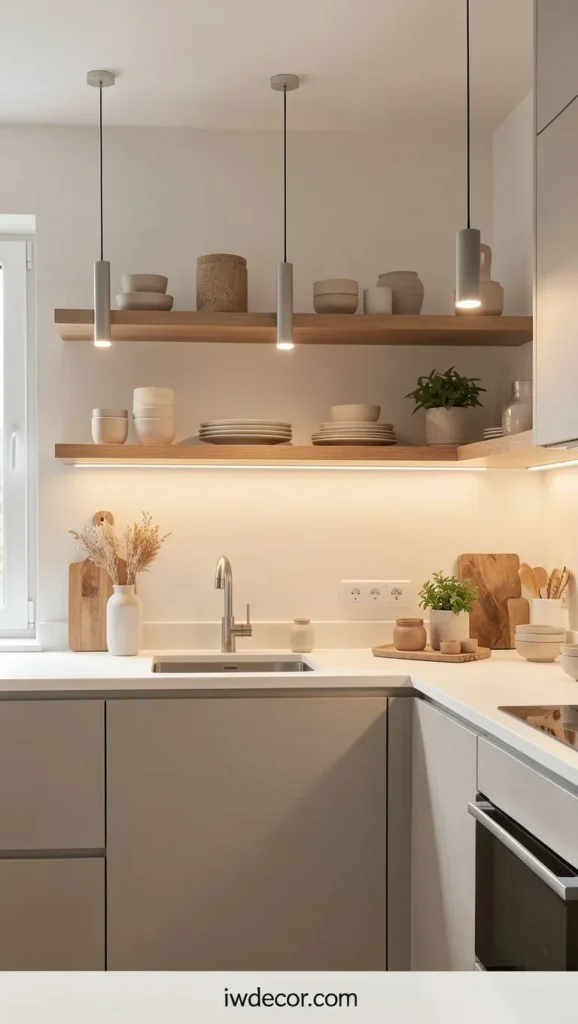
In 2026, the most beautiful homes are the ones that look collected like they’ve been built up over time with pieces that actually mean something. That flea market lamp you’ve been second-guessing? It belongs. The stack of real books on your coffee table? Perfect. The slightly chipped ceramic bowl from your grandmother? Absolutely keep it.
This is rooted in the Japanese concept of wabi-sabi finding beauty in imperfection and impermanence. It’s a deeply humanizing way to think about your space. Your home doesn’t need to be flawless. It needs to feel like yours. Mix that vintage side table with a modern sofa. Display art that makes you genuinely happy, not art that just fills a wall. Let the room tell your story.
5. Grounded Color and the Magic of “Color Drenching”
If you’ve been playing it safe with color, 2026 is officially giving you permission to go for it.
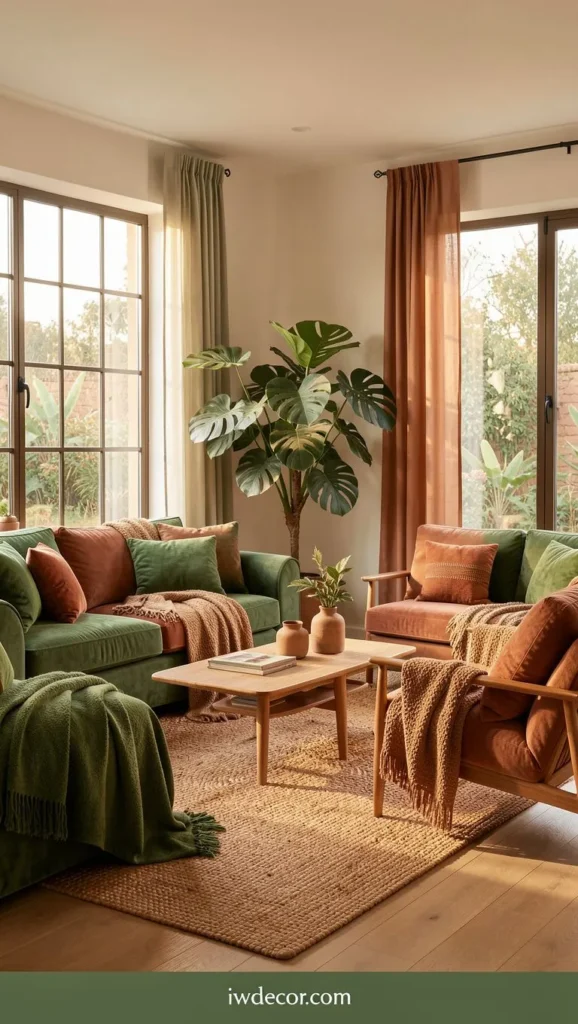
Moody, saturated shades are having a major moment smoky greens, spicy terracottas, deep plums and inky blues that make a room feel like a jewel box. These colors don’t just add personality; they add presence. A room painted in a deep, warm green feels entirely different to exist in than the same room in beige.
And then there’s color drenching one of the most talked-about techniques of the year. The idea is simple: paint your walls, trim and ceiling all in the same deep shade. The result is this immersive, enveloping feeling that sounds intense but is actually incredibly serene. It’s cohesive, intentional and way more interesting than you’d expect. If you’ve been nervous to try it, start with a small room or even a powder bath low commitment, high reward.
6. Bold Patterns and Luxe Details: One Statement Does the Job
You don’t need to fill every surface to make a room feel dynamic. Sometimes one bold choice is all it takes.
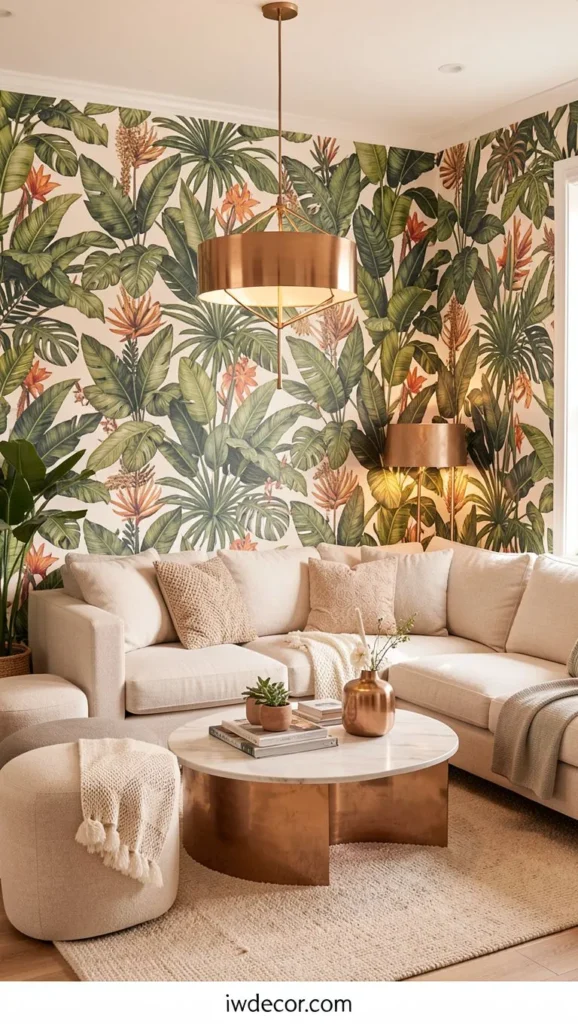
In 2026 we’re seeing dramatic wallpapers think oversized botanicals, retro geometric prints and rich velvets with fringe detail used as focal points rather than all-over treatments. The key is restraint: let one wow piece do the talking, and keep the rest of the room simple enough that it can breathe.
A single maximalist wallpaper on one wall. A fringed velvet throw draped over a neutral sofa. A retro print accent chair in an otherwise understated room. It’s the design equivalent of a great statement necklace the whole outfit lands differently because of it.
7. Sculptural Shapes and Soft Curves: Goodbye, Sharp Corners
Take a look around your living room is it full of rectangles Most are.
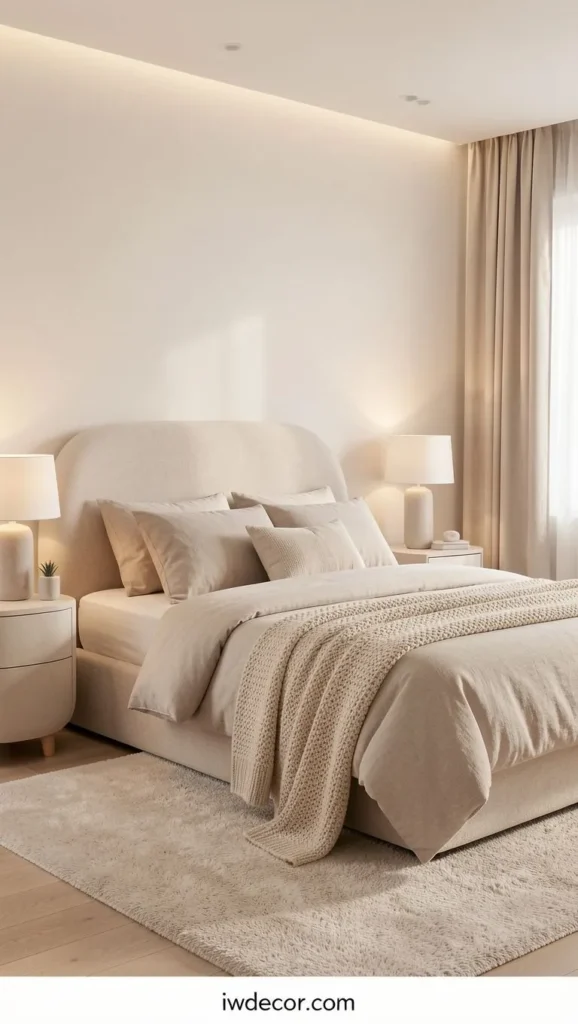
2026 is softening things up. Curved sofas, round coffee tables, arched mirrors and organically shaped lighting are replacing the boxy angular furniture that dominated the last decade. And it’s not just a visual shift rounded shapes actually make rooms feel more relaxed and approachable. There’s nothing rigid or harsh about them.
This softer more sculptural approach is even making its way into kitchens, where curved islands and arched doorways are adding a sense of flow that straight lines simply can’t. If you can’t commit to new furniture, even swapping a rectangular mirror for a round one makes a noticeable difference.
8. Natural Fibers and Tactile Textures: Make Your Room Feel as Good as It Looks
Here’s something the best-designed rooms all have in common: they reward you for touching them.
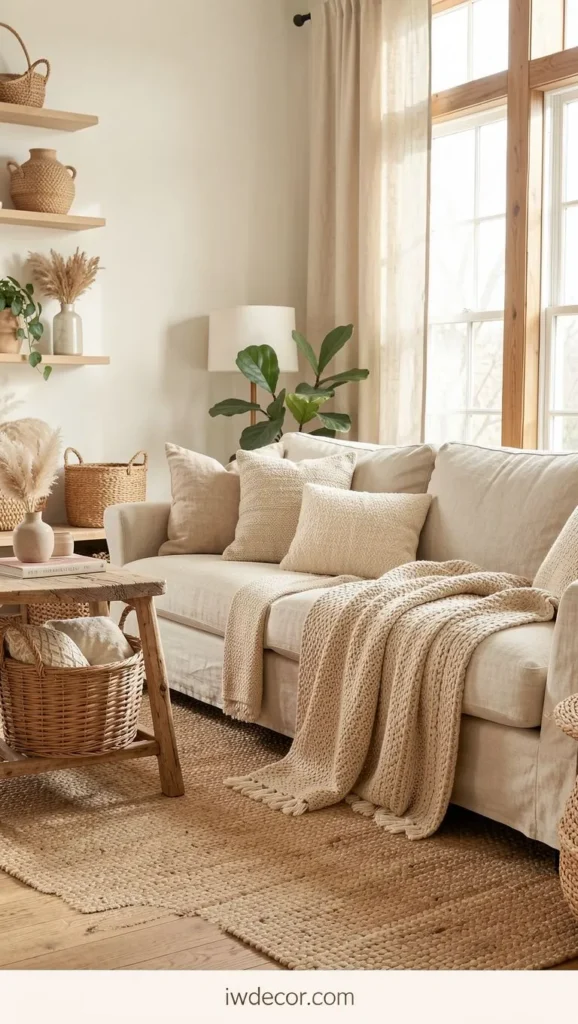
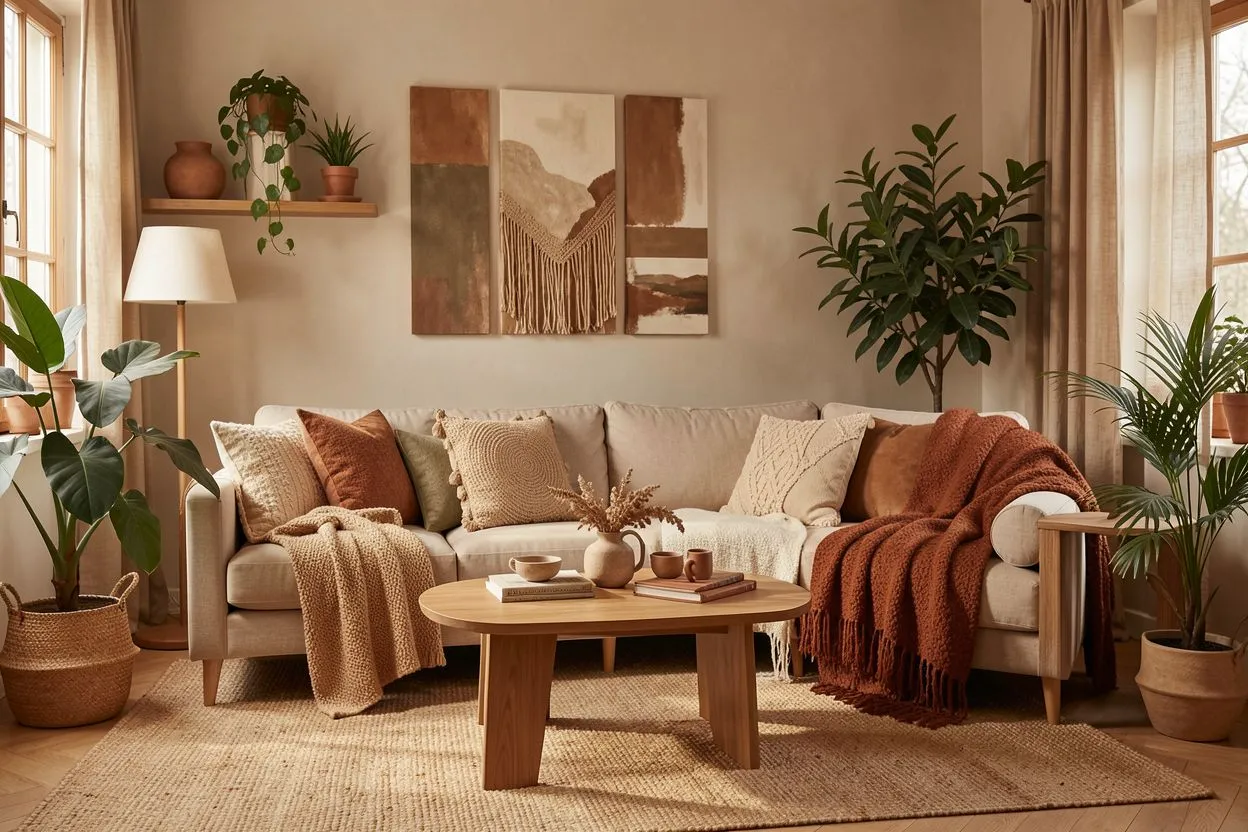
Texture is one of the most underrated elements in interior design, and in 2026, it’s front and center. We’re layering chunky knit throws, nubby wool rugs, raw-edge ceramics, linen curtains and hand-loomed cushions to create rooms that feel rich and dimensional without feeling cluttered.
The trick is to think less about adding more stuff and more about varying the surfaces you already have. A smooth plaster wall feels entirely different beside a rough-weave linen sofa. A sleek wooden table looks more alive sitting on a textured jute rug. These contrasts are what make a room feel alive rather than flat.
9. The Vintage Standout: One Piece That Anchors Everything
Every great room has an anchor and in 2026, that anchor is increasingly something old.
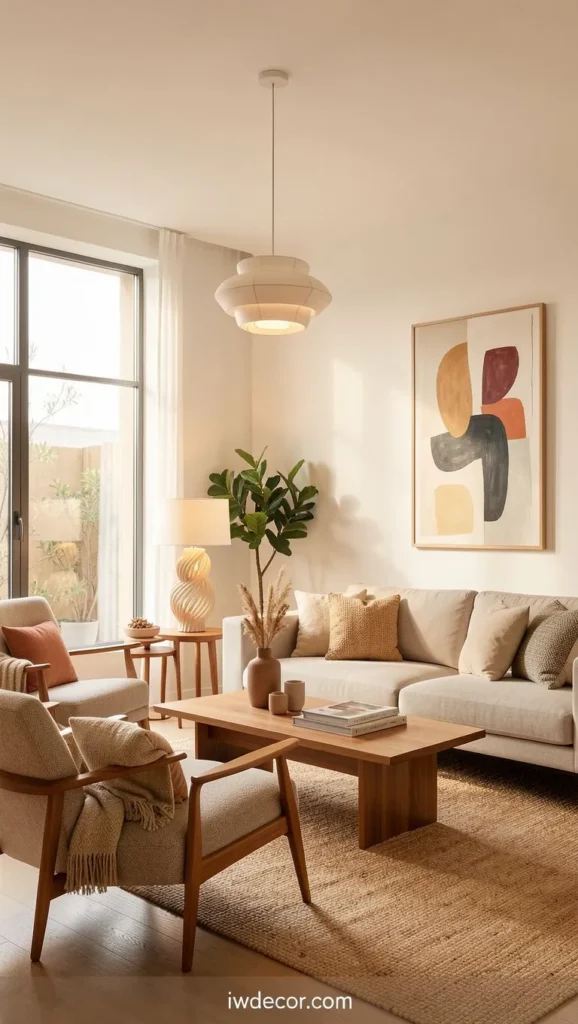
A weathered wooden dresser. A vintage brass mirror a vintage armchair reupholstered with modern fabric These pieces bring a warmth and character that brand-new furniture simply can’t replicate and they give a room a sense of history that makes it feel genuinely interesting.
The goal isn’t to create a room that looks like a museum or an estate sale. It’s to find that one piece with real personality and let it set the tone for everything else. Thrift stores, estate sales, Facebook Marketplace and local antique markets are goldmines for this and half the fun is the hunt. Build your space slowly, intentionally and it’ll feel far more curated than anything assembled in one shopping trip.
10. Sustainability: Buy Less, Buy Better
This is the trend that quietly underpins all the others.
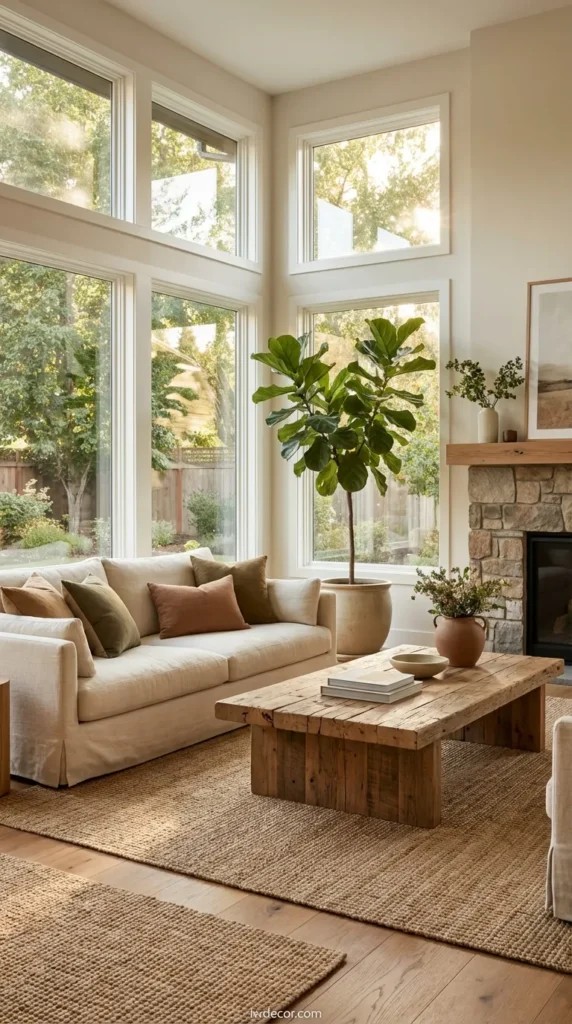
In 2026, sustainability in design isn’t about making sacrifices it’s about being more intentional. It means choosing responsibly sourced woods and natural materials that age beautifully. It means investing in fewer, higher-quality pieces that will last a decade rather than filling your space with things that won’t survive a move. And it means shopping locally, upcycling what you already have and giving new life to second-hand finds rather than defaulting to fast furniture.
The truth is, a thoughtfully sourced, slowly built home will always feel more meaningful than one assembled quickly and as a bonus? It tends to look better too.
Make These Trends Your Own
Here’s the thing about trends the best version of any of them is the one that’s been filtered through your own personality.
You don’t need to adopt all ten. Pick the ones that genuinely excite you, the ones that solve a problem in your space, or the ones that align with how you actually want to feel when you walk through your front door. Mix the vintage with the modern. Go bold with color in one room and soft and neutral in another. Layer textures everywhere.
The homes that feel the most beautiful in 2026 won’t be the ones that followed every trend perfectly. They’ll be the ones that feel like someone actually lives there happily, comfortably and with a clear sense of who they are.
That’s the real goal and you’re already closer than you think.