30+ Hygiene Secrets: How Often Should You Wash Your Bedding During Summer?
30+ Best Surprising Facts: How Often Should You Wash Your Bedding During Summer?
As the mercury rises and those balmy nights roll in, many of us find ourselves wondering, how often should you wash your bedding during summer? It’s a question that pops up more frequently when the heat makes everything feel a little stickier. While we’re quick to swap out heavy duvets for lighter throws, the truth is, your summer sleep setup demands a more rigorous cleaning routine than you might imagine.
Warm weather, unfortunately, creates the perfect breeding ground for all sorts of microscopic guests in your bed. Think sweat, skin oils, and humidity combining to make an inviting home for bacteria and dust mites. Especially during those intense summer nights, when a person can release a surprising amount of moisture, your bedding becomes a magnet for grime. So, if you’re aiming for a truly refreshing sleep experience, it’s time to rethink your laundry habits.
Why Your Summer Bedding Needs Extra TLC
It’s not just about feeling fresh; it’s about maintaining a healthy sleep zone. During hotter months, our bodies naturally produce more sweat and oils. These substances seep into your sheets, pillowcases, and even deeper into your duvet and pillows. This buildup isn’t just unhygienic; it can also contribute to skin irritations, breakouts, and allergy flare-ups. Regular cleaning helps banish these unwanted elements, leaving your bed a true sanctuary.
The Real Deal: how often should you wash your bedding during summer
While general advice suggests cleaning your bed linen every one to two weeks throughout the year, summer truly calls for stepping up your game. Experts often recommend a weekly wash for sheets and pillowcases when temperatures soar. Imagine the accumulated skin cells and perspiration after just a few nights! Many people tend to procrastinate on this chore, but neglecting it can lead to higher risks of skin issues and discomfort.
Beyond your top sheets, your pillows and duvet inserts also crave attention. Increased moisture from warmer nights can permeate these items, making them less fresh and potentially harboring allergens. Giving these larger pieces a proper wash every few weeks during the summer can make a world of difference. Many pillows are machine washable, and some duvets can even be cleaned at home. Always check care labels, but a cool wash with a gentle, stain-lifting detergent often works wonders.
My Take
Honestly, I used to be terrible about washing my bedding frequently enough, especially in summer! But once I started doing a weekly sheet swap, it was a total game-changer. There’s nothing quite like slipping into freshly laundered sheets after a long, hot day. For me, it’s not just about hygiene; it’s about that instant feeling of calm and luxury. I always keep two sets of sheets per bed so I can just pull off the dirty ones and pop on a clean set without any fuss. It’s a small habit that makes a huge difference to my sleep quality and overall mood!
Beyond the Sheets: Your Ultimate Summer Sleep Sanctuary Checklist
Maintaining a pristine sleep environment in the summer goes beyond just washing your sheets. Here’s a detailed guide to refreshing every aspect of your bedding for ultimate comfort and hygiene:
1. Standard Cotton Sheets:
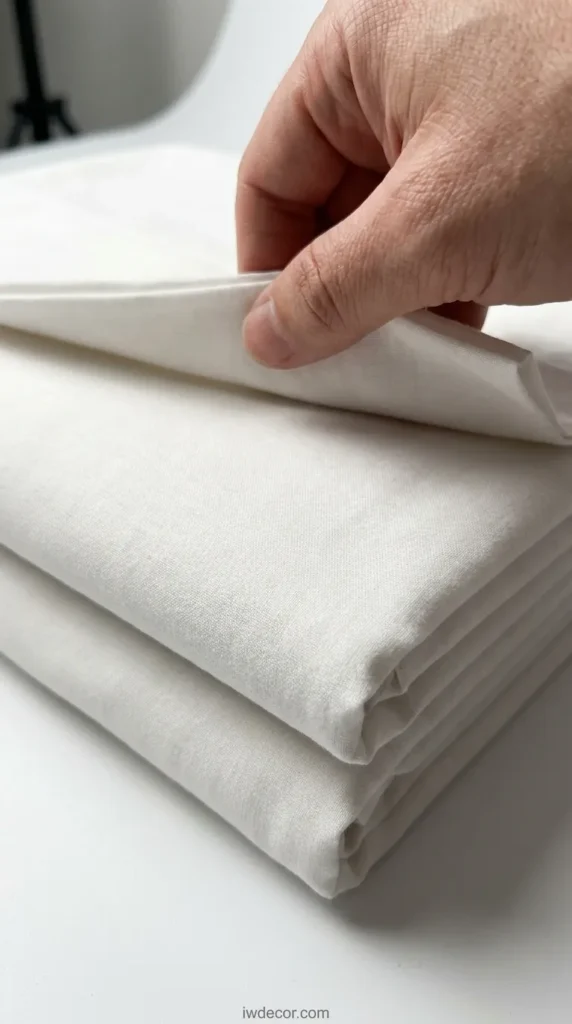
These classics are a must for regular rotations. Aim for a weekly wash to keep them crisp and free from accumulated oils and sweat. Cotton is breathable and holds up well to frequent laundering.
2. Linen Sheets:
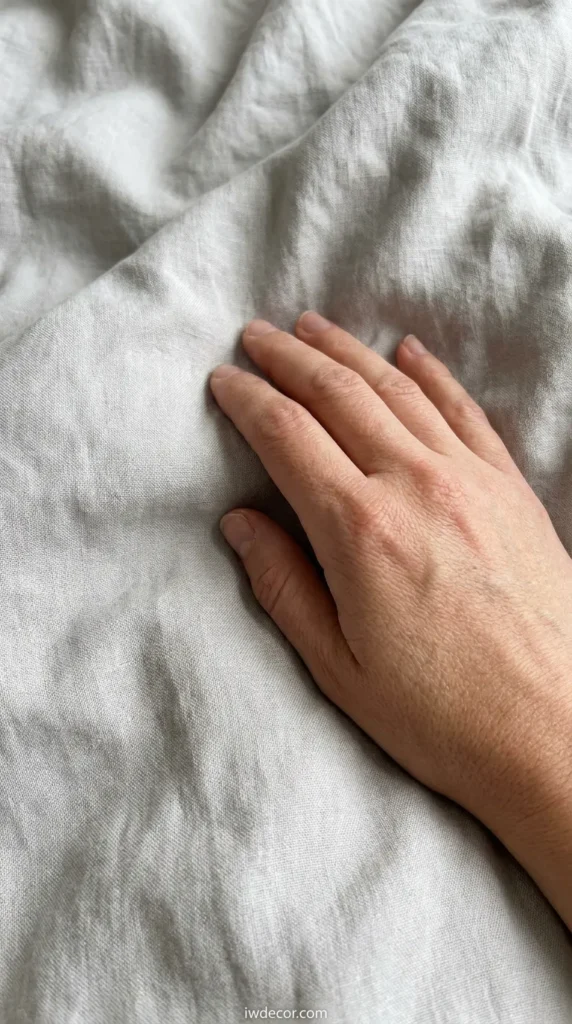
Known for their incredible breathability, linen sheets are a summer favorite. They get softer with every wash, so don’t hesitate to clean them weekly to keep that airy feel.
3. Bamboo Sheets:
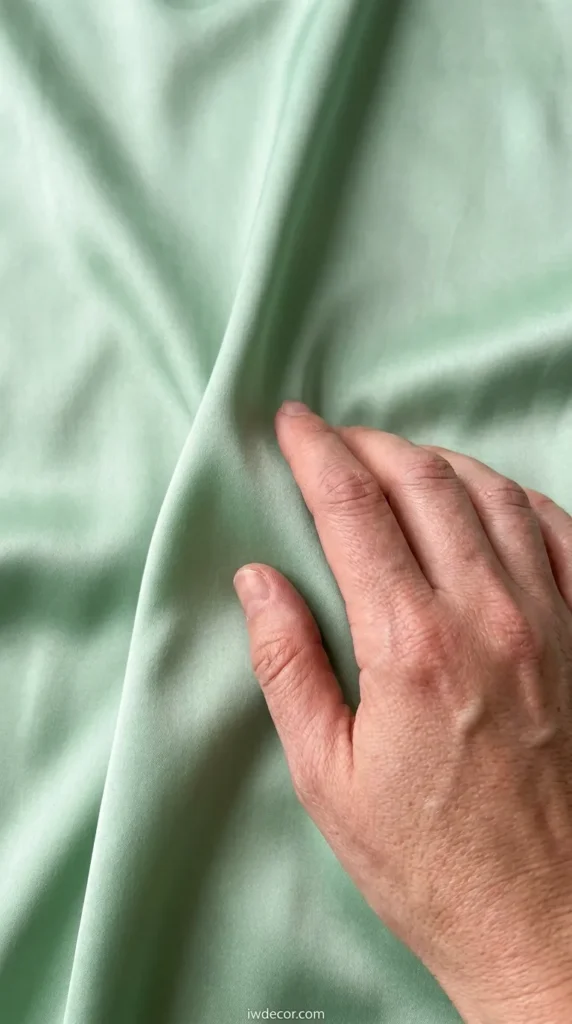
Luxuriously soft and naturally temperature-regulating, bamboo sheets are fantastic for summer. Wash them weekly on a gentle cycle to maintain their silky feel and cooling properties.
4. Percale Sheets:
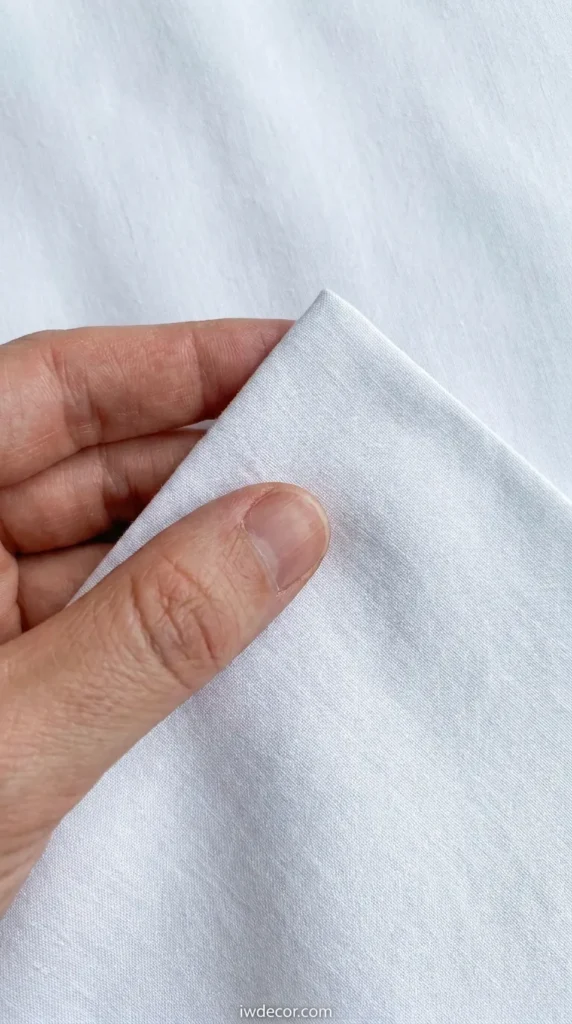
For those who love a crisp, cool feel, percale is your go-to. Its matte finish and tight weave make it wonderfully breathable. Keep it fresh with a weekly wash.
5. Sateen Sheets:
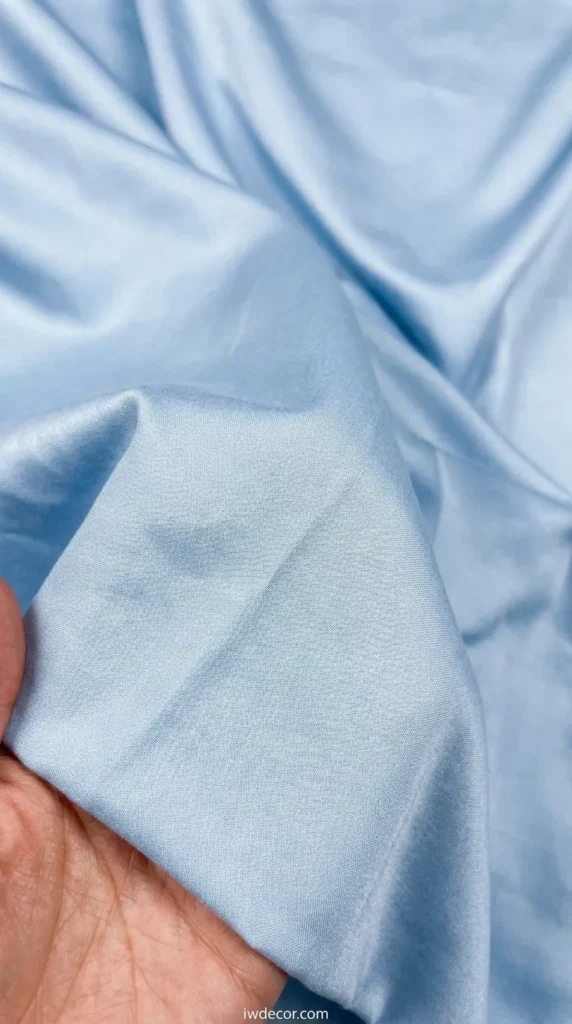
While softer and a bit warmer than percale, a good quality sateen can still be lovely for summer. Wash weekly to prevent oil buildup and keep that subtle sheen looking fresh.
6. Tencel Lyocell Sheets:
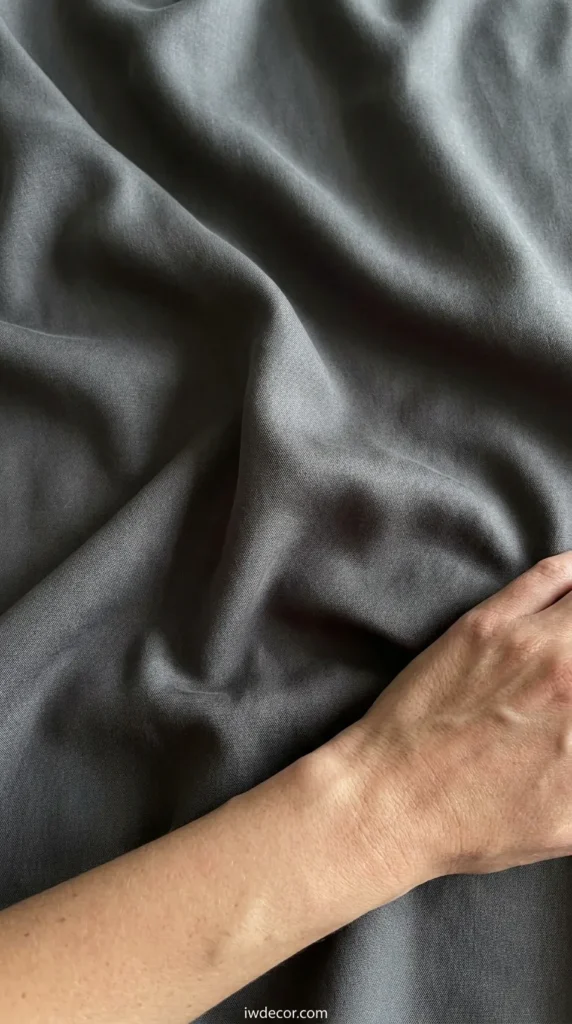
These eco-friendly sheets are fantastic at wicking moisture away, making them ideal for hot sleepers. Launder them weekly to keep their cooling powers at their peak.
7. Cotton Pillowcases:
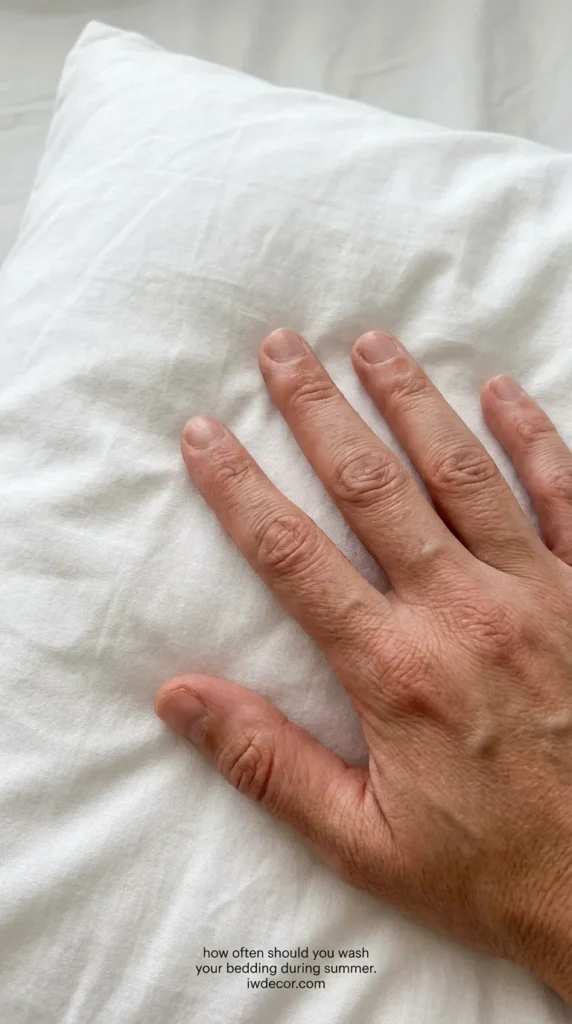
These are your frontline defense against facial oils and hair products. They absolutely need a weekly wash, or even more frequently if you struggle with skin issues.
8. Silk Pillowcases:
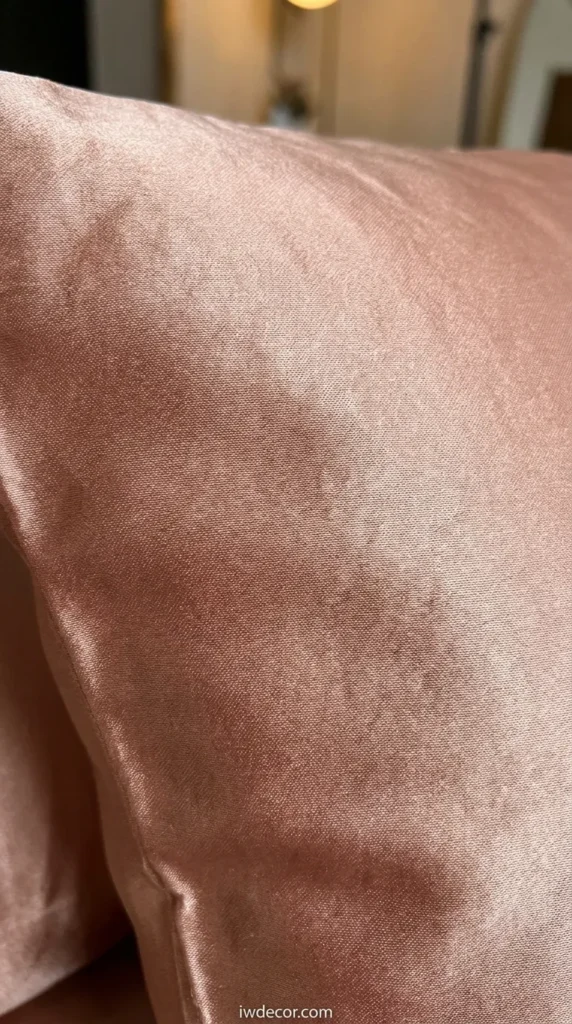
Gentle on hair and skin, silk still collects oils and sweat. Hand wash or use a delicate machine cycle weekly to keep them feeling luxurious and clean.
9. Cooling Fabric Pillowcases:
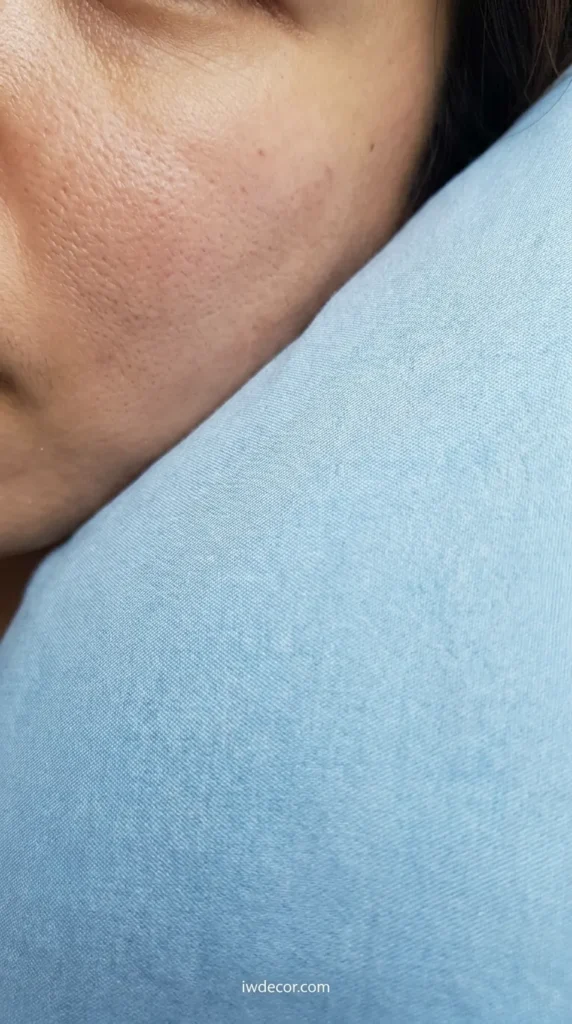
Designed to dissipate heat, these are excellent for summer. Wash them weekly to maintain their cooling properties and keep them hygienic.
10. Lightweight Cotton Duvet Covers:
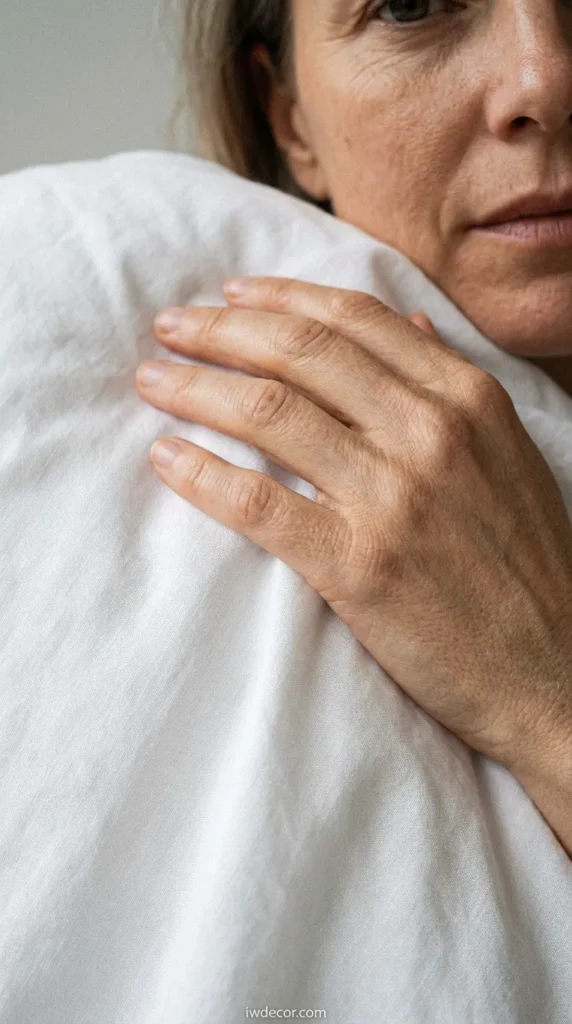
These are perfect for summer, offering protection for your duvet while remaining breathable. Wash weekly, just like your sheets, to keep them pristine.
11. Linen Duvet Covers:
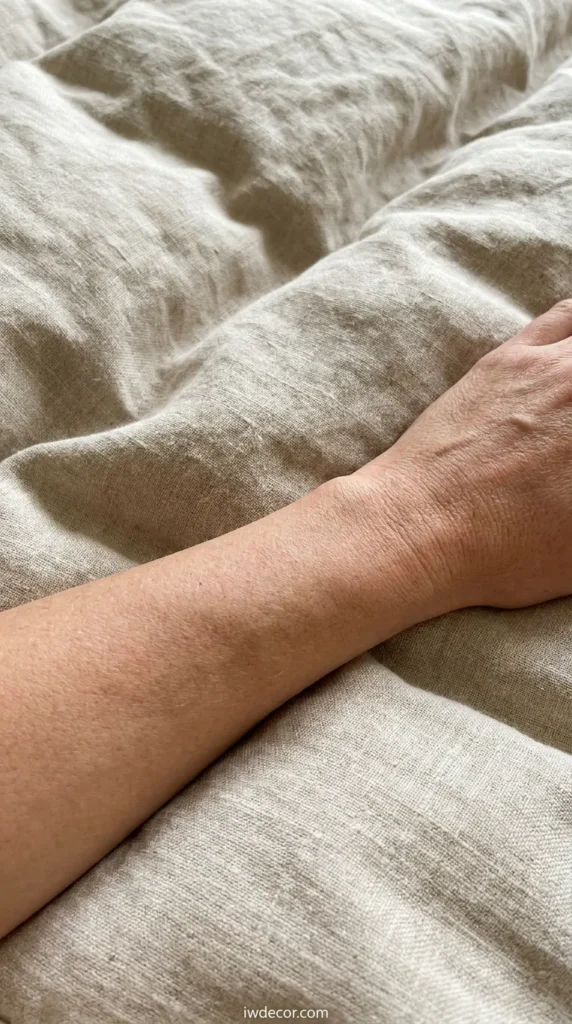
Offering that effortlessly chic look and superior breathability, linen duvet covers are summer stars. Wash them weekly for consistent freshness and softness.
12. Lightweight Summer Duvets (Synthetic Fill):
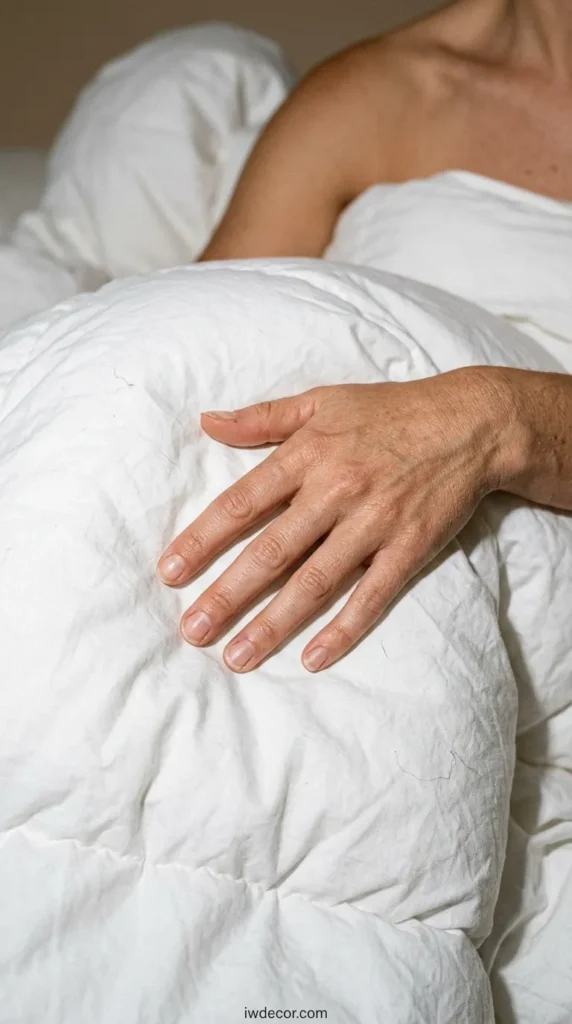
These are designed to be cooler than traditional duvets. Wash them every few weeks during intense summer use, or every six months otherwise, following care instructions carefully.
13. Lightweight Summer Duvets (Down Alternative):
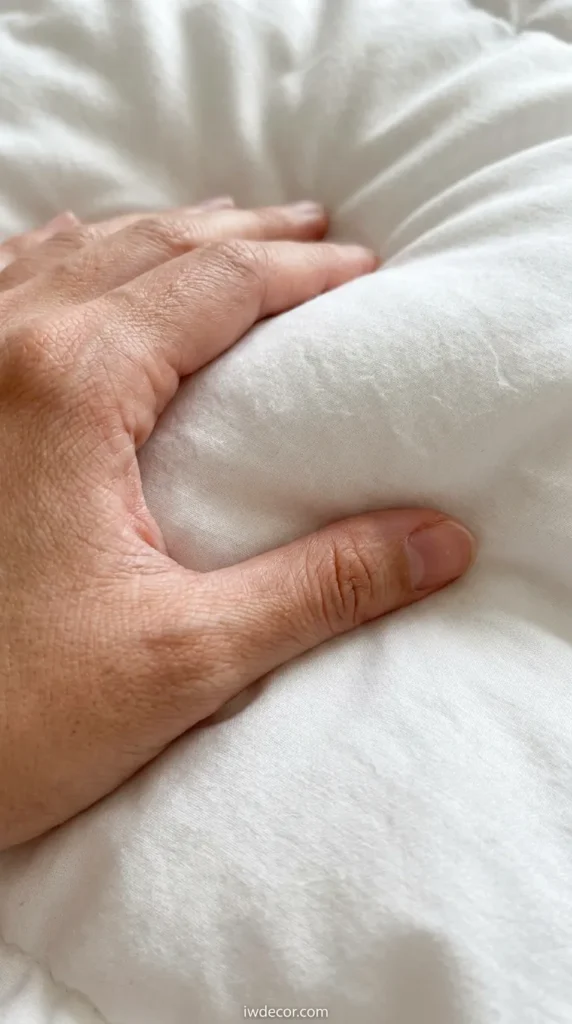
Similar to synthetic, these offer a soft, hypoallergenic option. Clean them every few weeks in summer to prevent moisture buildup and keep them fresh.
14. Summer Throw Blankets:
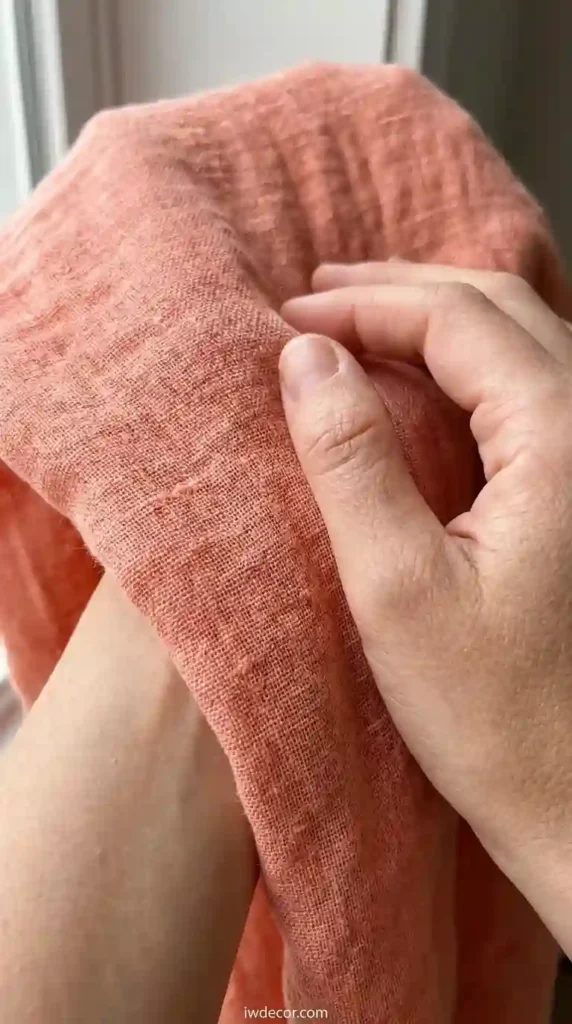
If you use a light throw blanket nightly, aim to wash it every two weeks. If it’s just for occasional use, monthly or quarterly is fine.
15. Lightweight Quilts:
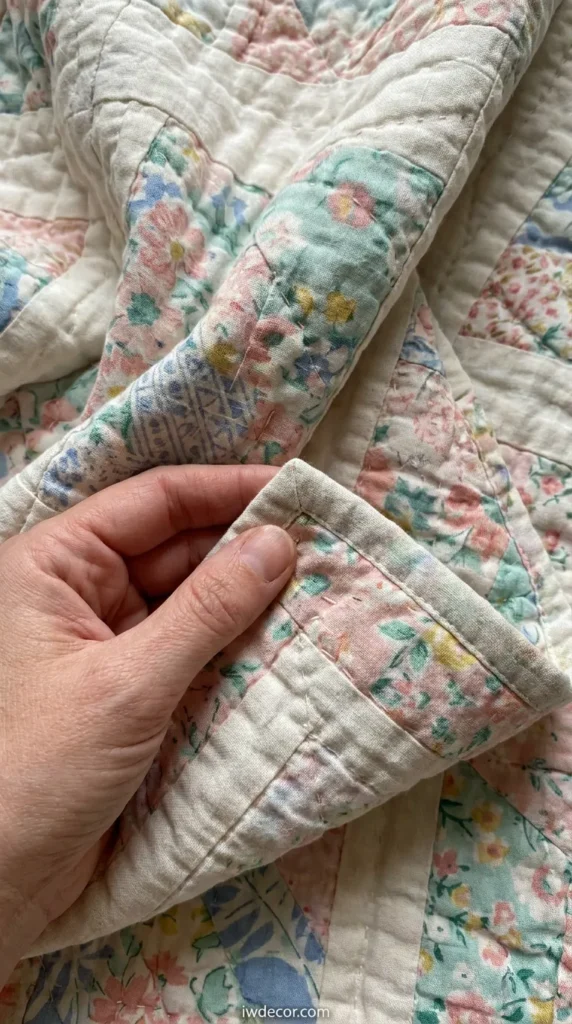
Perfect for a touch of style without the bulk, quilts still need attention. If used regularly as your main cover, wash every two weeks during summer. Otherwise, monthly is fine.
16. Mattress Protectors (Waterproof):
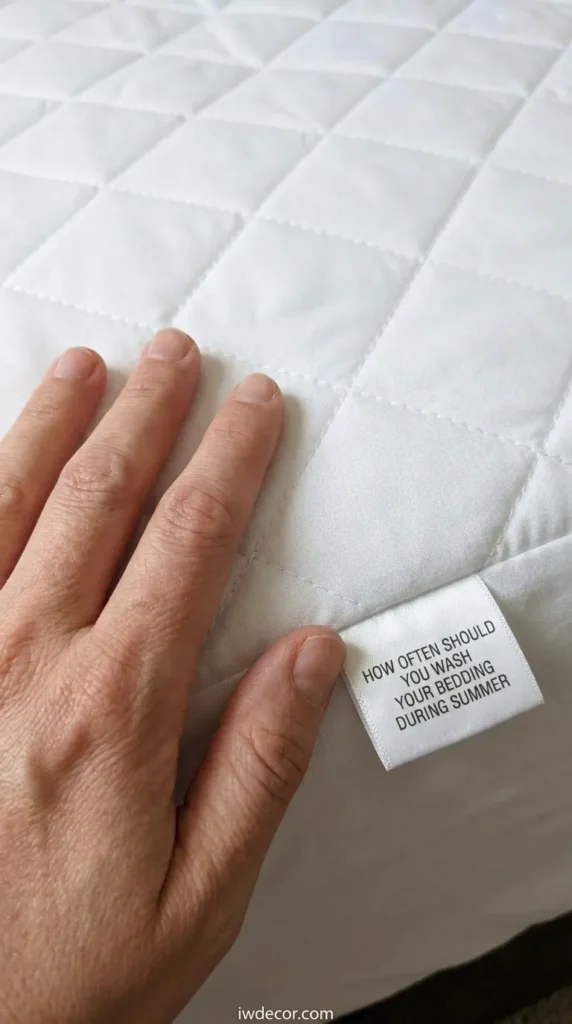
These are your mattress’s best friend, catching spills and sweat. Wash monthly, or immediately after any accident, to maintain their protective qualities.
17. Mattress Toppers (Cooling Gel Infused):
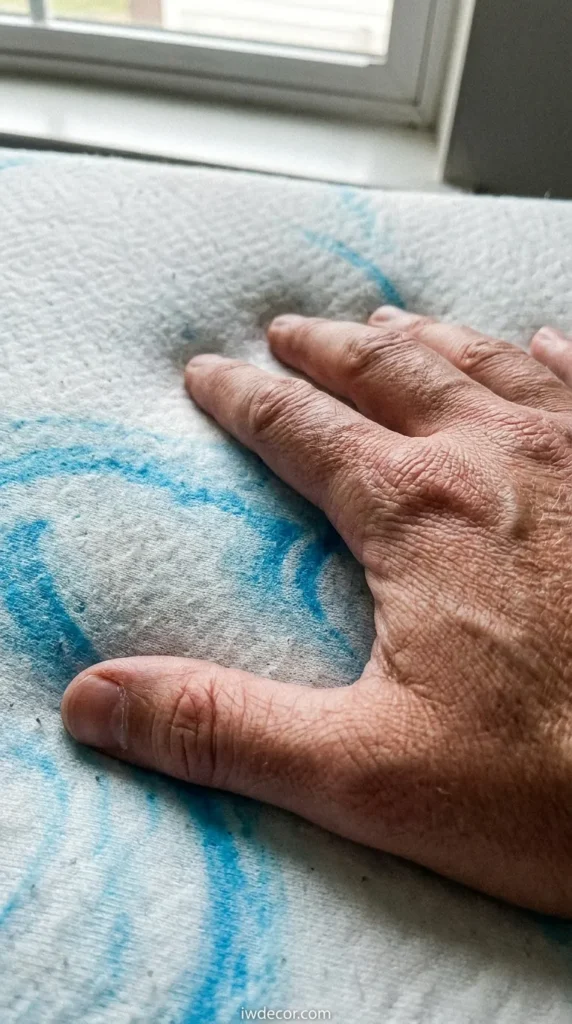
These add a layer of comfort and temperature regulation. Clean every 2-3 months by spot-treating or following specific care instructions, as they often can’t be machine washed.
18. Pillow Protectors:
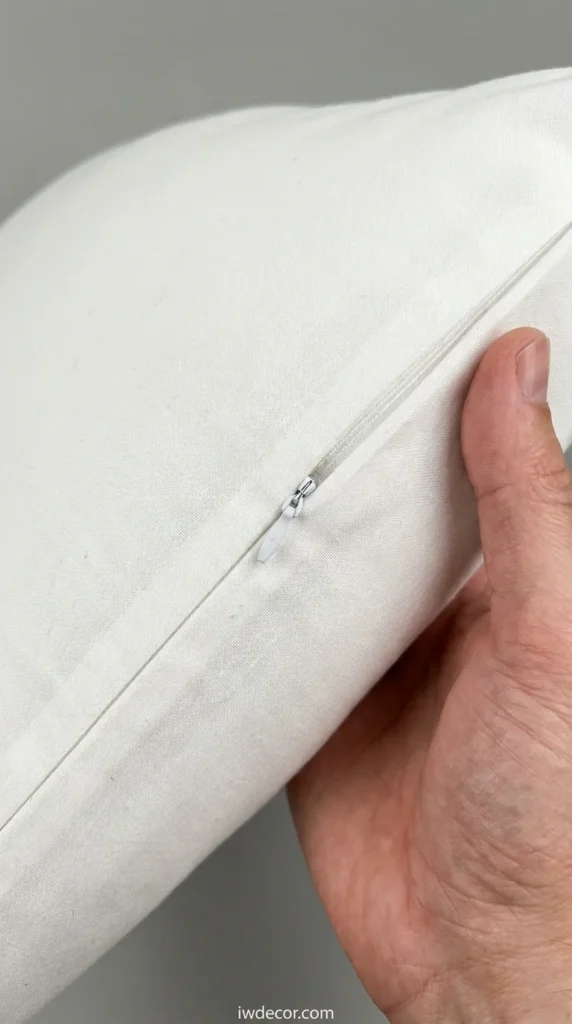
These are lifesavers for keeping your actual pillows clean. Wash them weekly along with your pillowcases during summer to prevent sweat and oils from reaching your pillow.
19. Cooling Memory Foam Pillows:
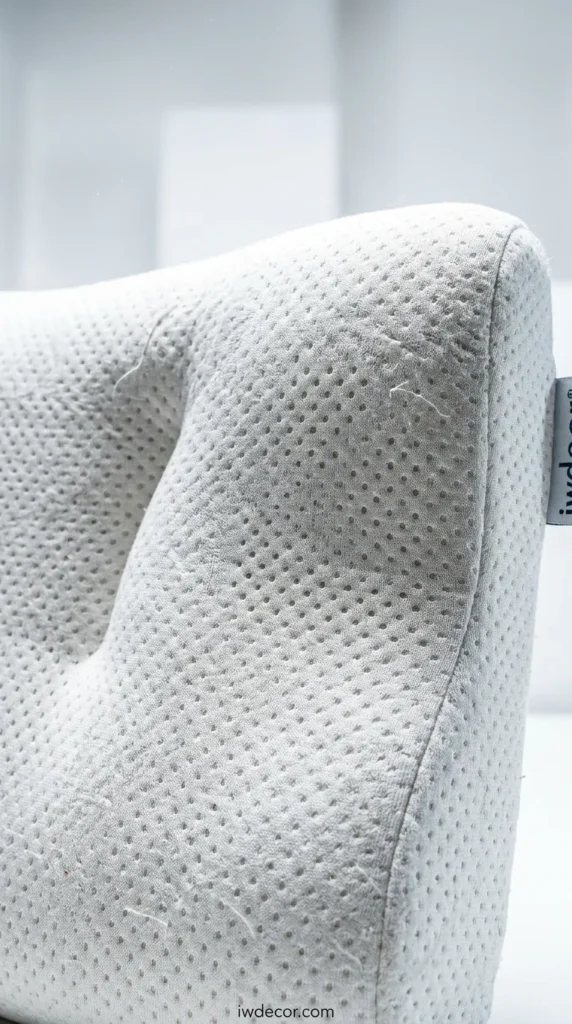
These are amazing for support and heat regulation. While the cover can be washed weekly, the foam itself usually needs spot cleaning every 2-3 months or airing out.
20. Buckwheat Pillows:
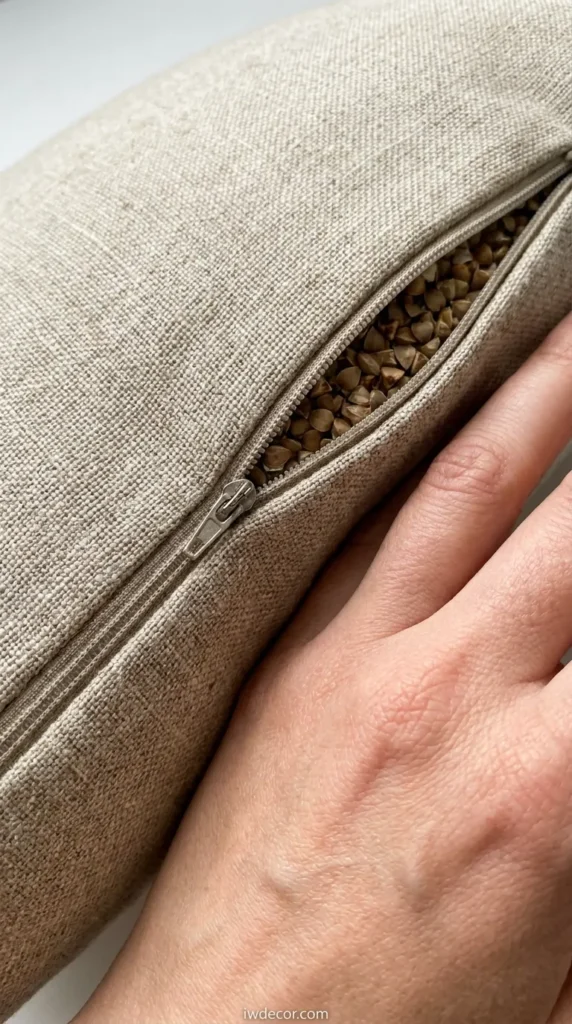
These offer unique support and excellent airflow. The hulls themselves shouldn’t be washed, but their covers should be cleaned weekly, and the hulls aired out monthly.
21. Body Pillows:
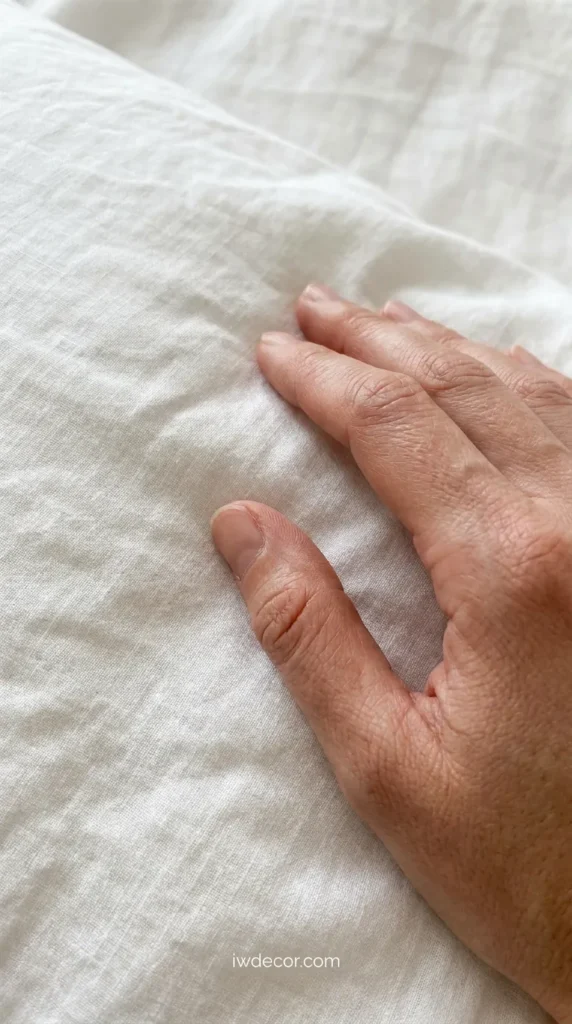
If you cuddle a body pillow every night, it’s absorbing a lot. Wash its cover weekly and the pillow itself (if machine washable) every month during summer.
22. Bed Skirts:
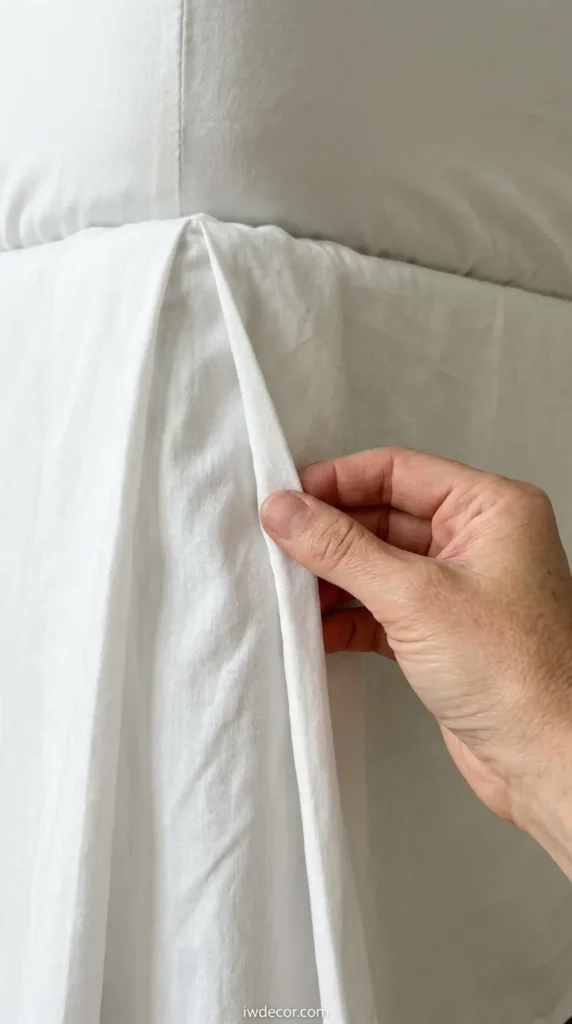
These decorative elements don’t touch your body, so they can be washed less frequently. Aim for once a season, or if they collect visible dust.
23. Decorative Shams:
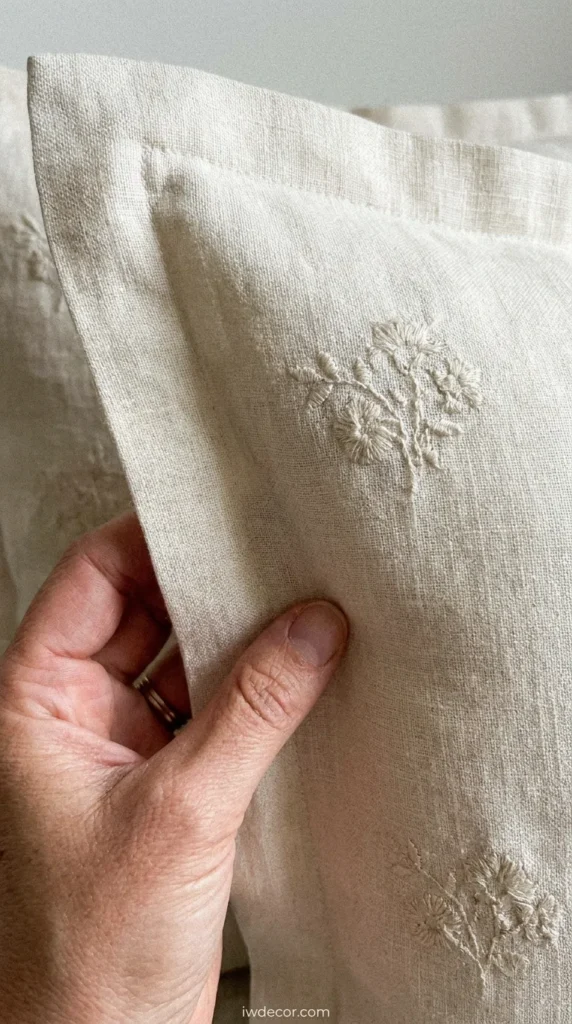
These covers for decorative pillows can be washed monthly, or whenever you notice them looking a little less vibrant. They add a touch of flair without direct contact.
24. Throw Pillows:
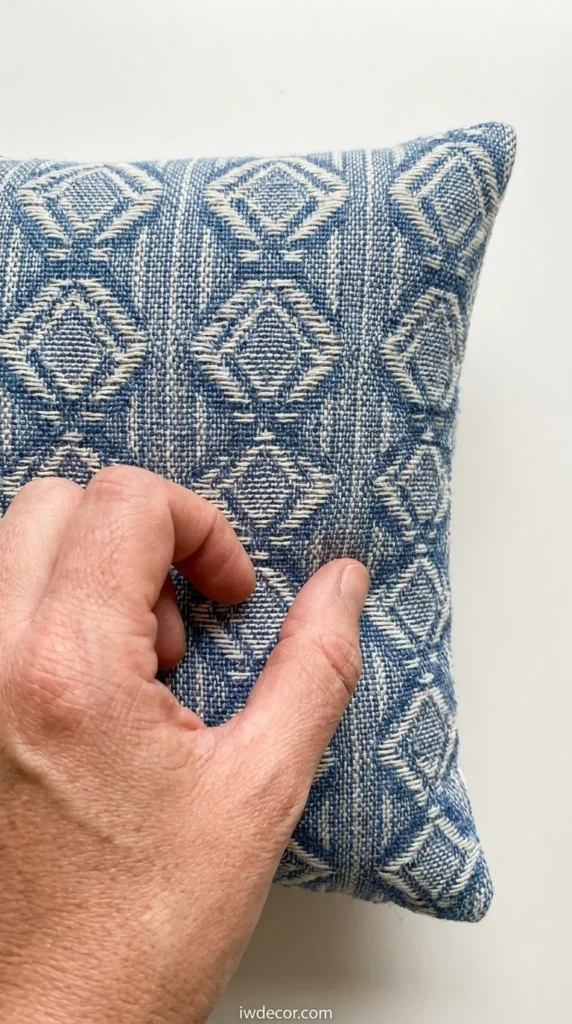
These are primarily for decoration. Spot clean as needed, and give them a full wash (if removable covers) every 2-3 months to keep them looking their best.
25. Vacuuming Mattresses:
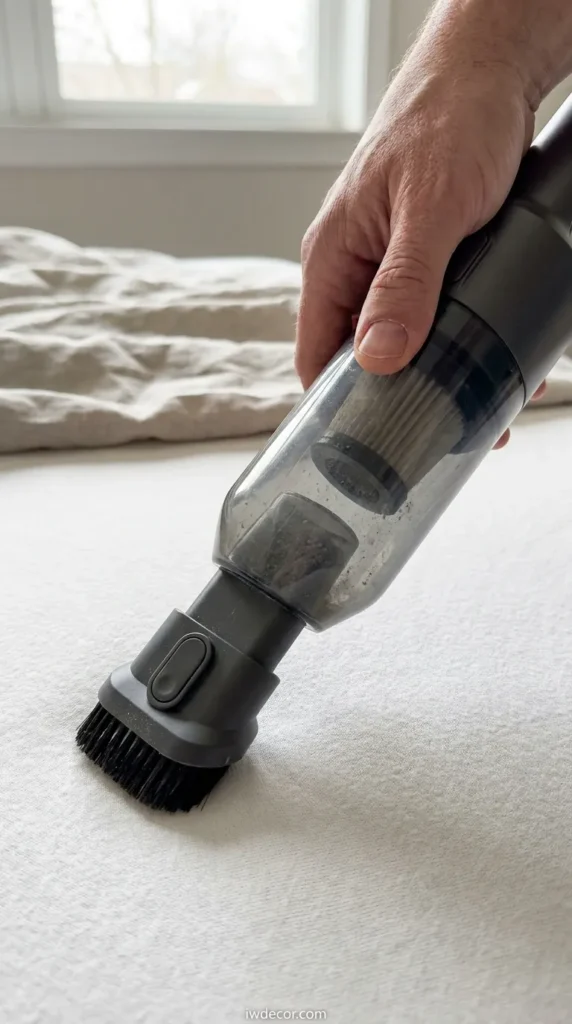
Even with a protector, your mattress benefits from a deep clean. Vacuum it thoroughly twice a year using an upholstery attachment to remove dust and allergens.
26. Baking Soda Freshening:
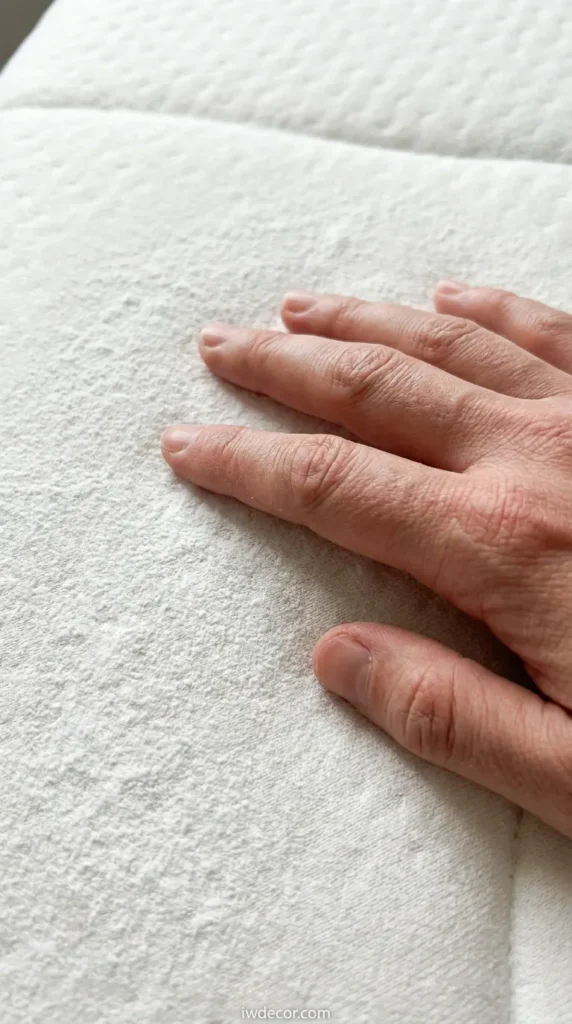
Sprinkle baking soda over your mattress after vacuuming, let it sit for a few hours, then vacuum again. Do this quarterly to neutralize odors and refresh.
27. Dehumidifier Use:

Reducing ambient moisture in your bedroom helps prevent dust mites and mold. Run a dehumidifier nightly or during humid days to keep your air crisp.
28. Air Circulation Practices:

Don’t make your bed immediately in the morning! Pull back your covers and let your mattress and sheets air out for a few hours daily to evaporate moisture. This is especially important for how often should you wash your bedding during summer.
29. Pre-Bed Showers:
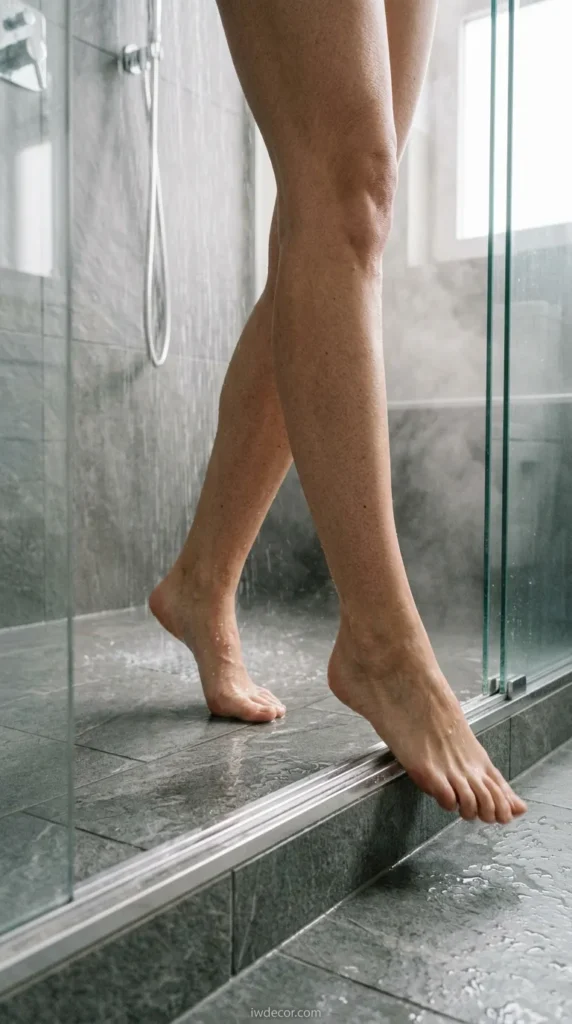
A quick rinse before bed is a simple yet effective way to wash off the day’s sweat and grime, transferring less to your clean sheets. This helps extend the freshness of your bedding.
30. Face Cleansing Routines:
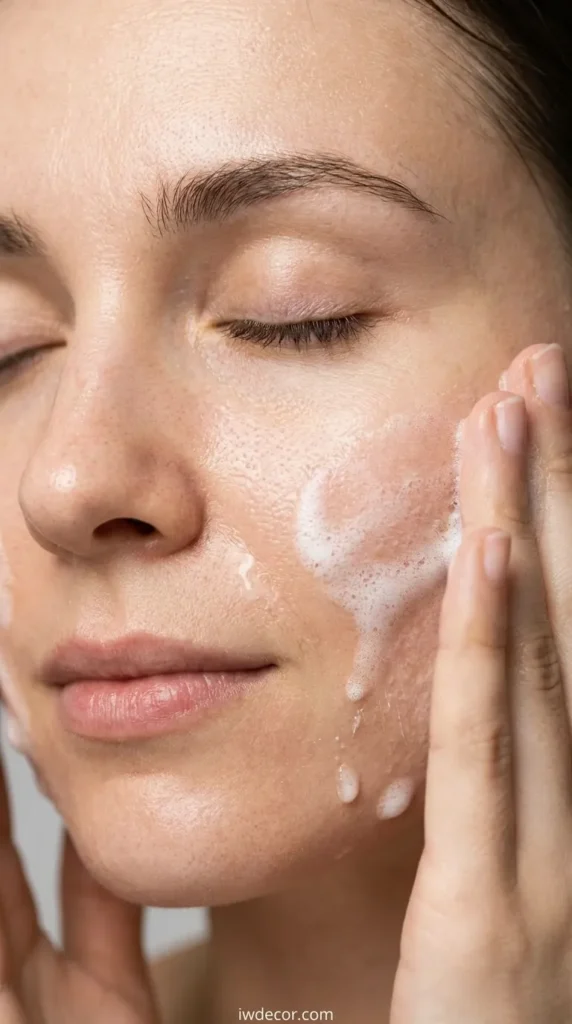
A thorough nightly face wash removes makeup, dirt, and excess oils that would otherwise transfer to your pillowcase. This is especially important for how often should you wash your bedding during summer.
Extending Freshness: Smart Habits for Your Summer Bedding
If the thought of weekly laundry feels like a mountain during summer, don’t fret! There are clever ways to keep your bed feeling cleaner for longer. Incorporating a quick shower before bed, for instance, dramatically cuts down on the amount of perspiration and body oils that transfer to your sheets. Similarly, a thorough nightly face wash helps keep your pillowcases free from makeup and skin debris, which can be a real boon if you’re prone to breakouts.
These small routine adjustments can make a big impact, reducing the burden on your bedding and potentially allowing you to stretch the time between washes slightly, without compromising on hygiene. However, when it comes to pillowcases, if you experience sensitive skin or acne, more frequent changes are always a good idea.
The Upside of Frequent Washes: Quick Drying & Fresh Scents
While extra laundry isn’t anyone’s favorite summer activity, there’s a silver lining! Those warm, sunny days are absolutely perfect for drying your bedding. You might even find your sheets are ready to go back on the bed before the day is out, smelling wonderfully fresh from the sunshine. The secret to making this process stress-free? Always have at least two sets of bedding for each bed. That way, you’re never caught without clean sheets when you need them most.
Frequently Asked Questions
Is it really necessary to wash bedding more often in summer?
Yes, absolutely! During summer, increased temperatures lead to more sweating and body oil production. This creates an inviting environment for bacteria and dust mites to flourish in your bedding. More frequent washing, ideally weekly for sheets and pillowcases, helps maintain a hygienic sleep space and reduces the risk of skin issues.
What types of bedding materials are best for summer hygiene?
Opt for natural, breathable, and moisture-wicking fabrics like cotton, linen, and bamboo. These materials allow air to circulate freely, helping to keep you cooler and your bed fresher. They also tend to hold up well to frequent washing, which is essential for summer maintenance. Avoid heavy synthetics that trap heat and moisture.
Besides washing, how else can I keep my bedding fresh during hot weather?
Consider simple habits like showering before bed to minimize sweat transfer. Also, pull back your covers each morning and let your mattress and sheets air out for a few hours. Using a mattress protector and pillow protectors can add an extra layer of defense against moisture and allergens, keeping your main bedding cleaner longer.
How to Keep Your Summer Bedding Sparkling Clean
Ready to upgrade your summer sleep hygiene? Follow these steps for a consistently fresh and inviting bed:
Step 1: Establish a Weekly Sheet & Pillowcase Swap: Make it a non-negotiable part of your weekend routine. Having at least two sets of bedding per bed makes this effortless. Use a gentle, effective detergent and a cool wash cycle to protect fabrics.
Step 2: Refresh Duvets & Pillows Monthly (or Bi-Monthly): Check care labels, but many pillows and lightweight duvets can be machine washed. Use a mild detergent and an extra spin cycle to remove excess water. Tumble dry on low with dryer balls to restore fluffiness.
Step 3: Prioritize Mattress & Pillow Protectors: These act as barriers against sweat, oils, and allergens. Wash your mattress protector monthly and pillow protectors weekly along with your pillowcases to extend the life and cleanliness of your core bedding items.
Step 4: Air Out Your Bed Daily: Resist the urge to make your bed right away. Instead, pull back your covers each morning and allow your mattress and sheets to air out for several hours. This helps evaporate moisture and deters dust mites and mold growth.
Step 5: Integrate Pre-Bed Hygiene: A quick shower before bed and a thorough face-cleansing routine can significantly reduce the amount of body oils and grime transferred to your bedding. This simple habit contributes greatly to maintaining freshness between washes.