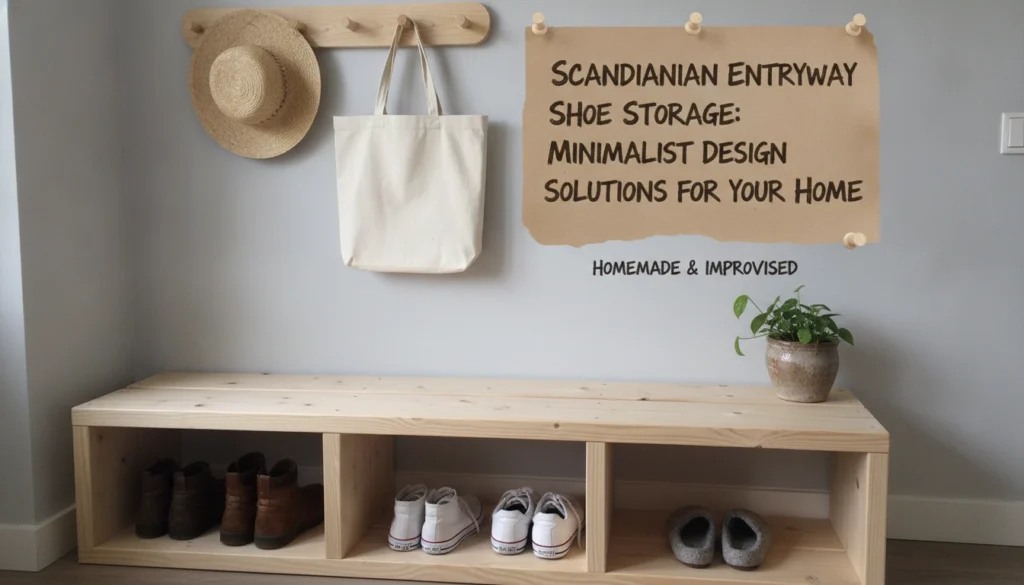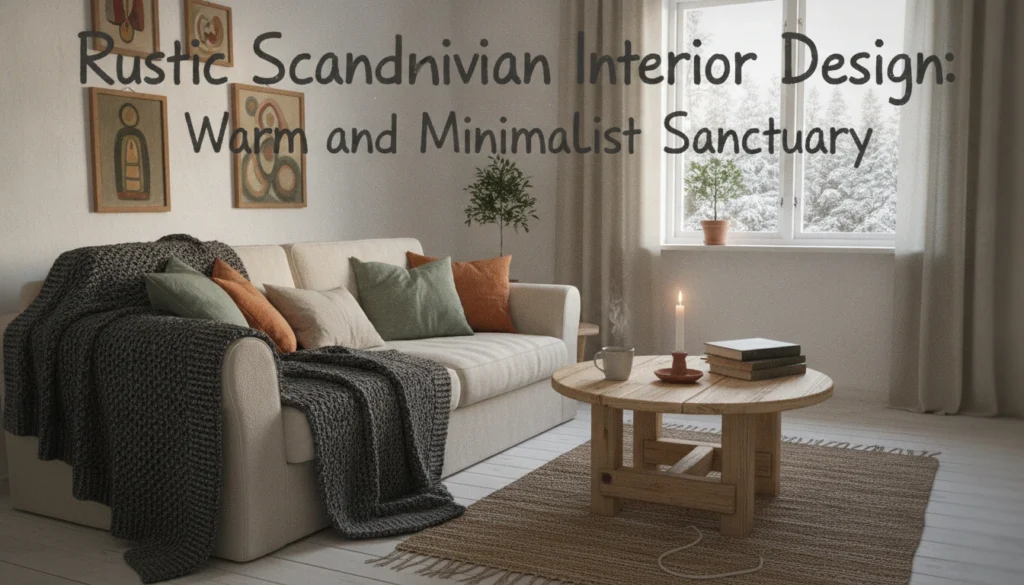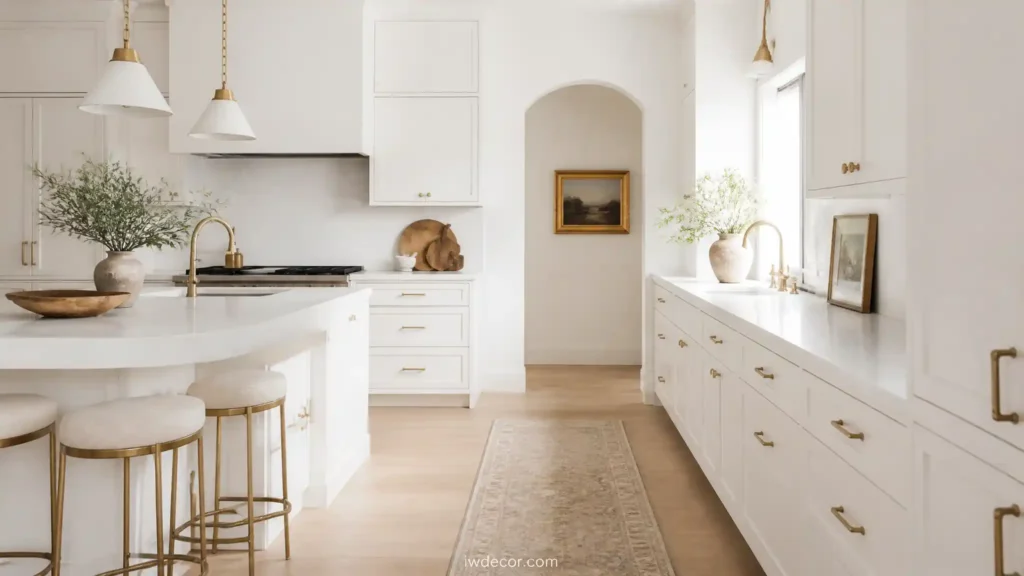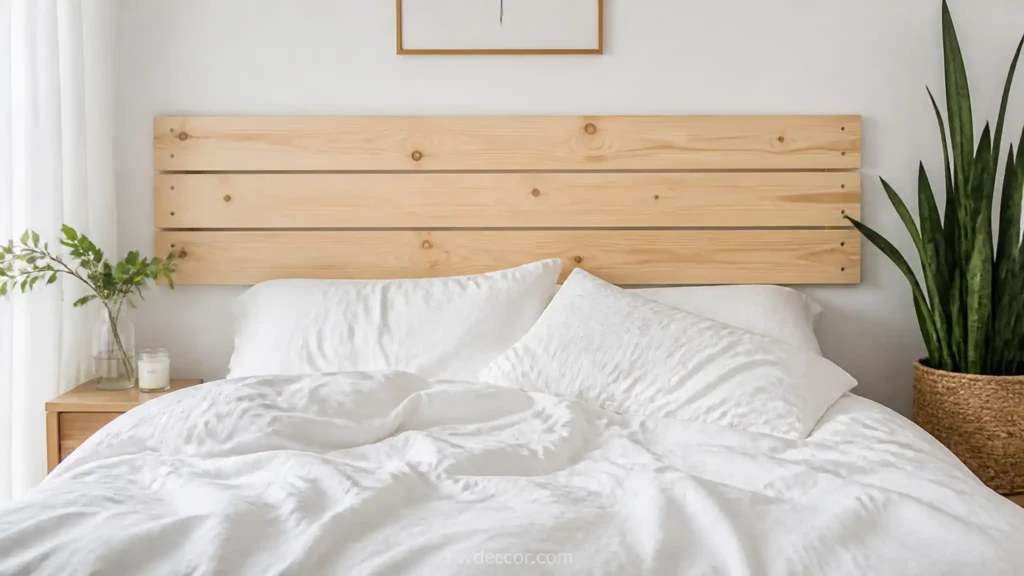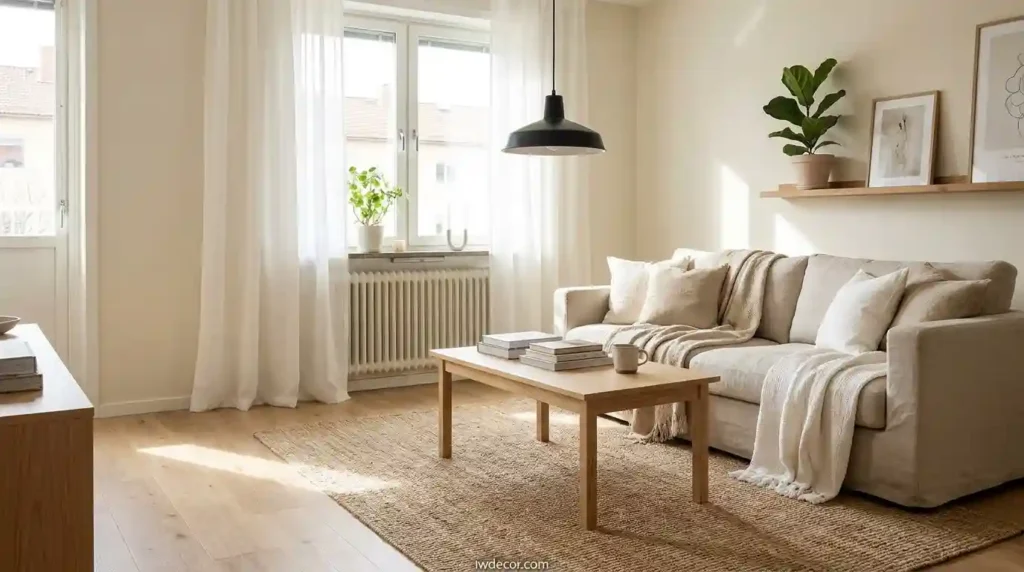
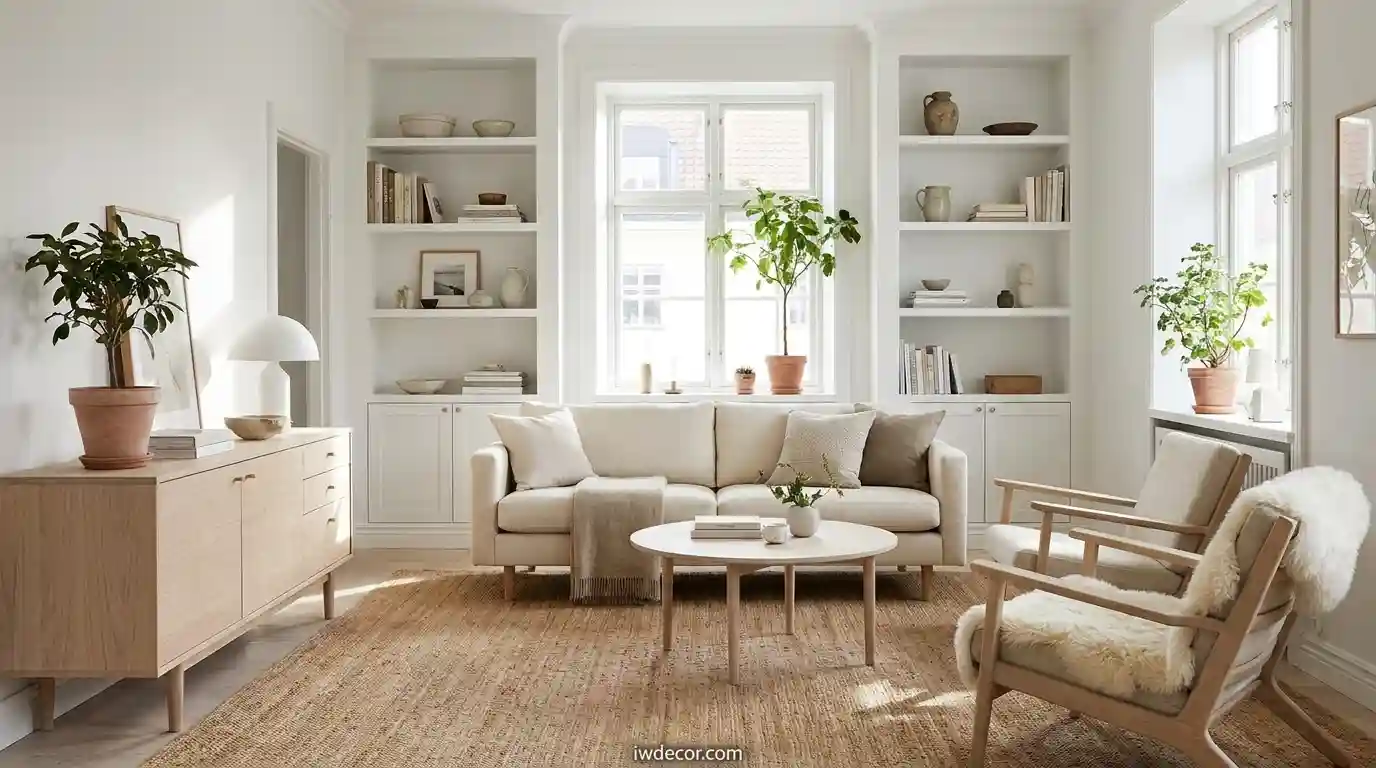
15 Best Small Scandinavian Living Room Ideas: Nordic Design for Tiny Spaces?
Small Scandinavian living room ideas aren’t about sacrificing style for square footage. When done right, a compact Nordic-inspired space becomes a masterclass in intentional design. Light wood floors, calm wall colors, and smart storage create rooms that breathe even when every inch counts. I’ve spent years studying Scandi design, and the real magic happens when you apply these principles to tight layouts where every detail matters. Let’s dig into exactly how to pull this off.
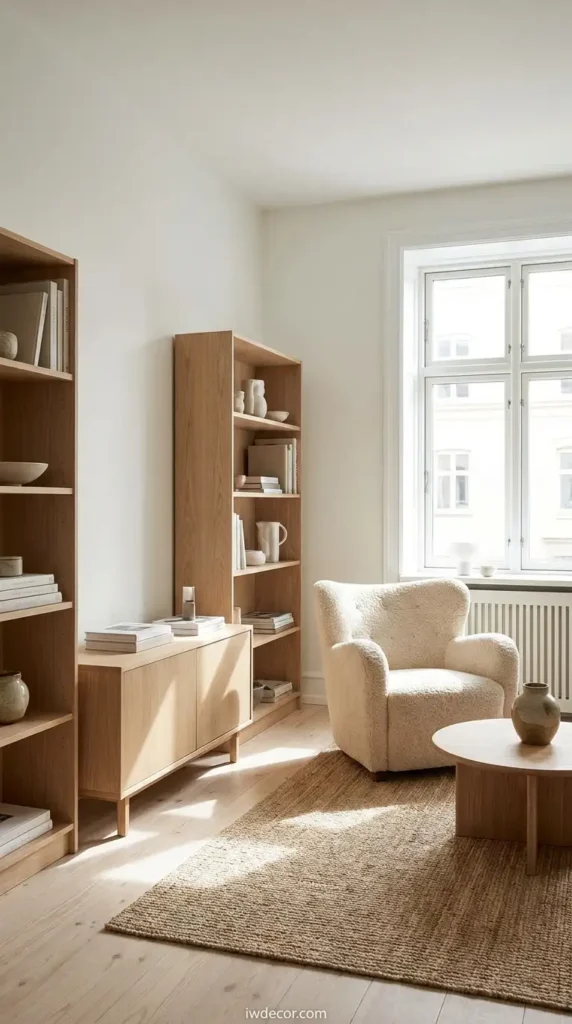
Why Scandinavian Design Works in Small Spaces
Scandinavian interior design isn’t just minimalism with a Nordic accent. It’s a philosophy born from decades of solving the exact problem you have: making a compact room feel spacious, calm, and genuinely livable. The style came out of Denmark, Norway, Sweden, and Finland, where winters are long, daylight is precious, and people spend serious time indoors.
The core formula works because it respects three non-negotiables: light (both natural and designed), function (nothing sits around looking pretty if it doesn’t work), and restraint (white walls and pale wood open up even 12-by-14-foot rooms). What makes Scandinavian design perfect for small spaces is that it actively rejects clutter, visual noise, and the “more furniture = more impressive” trap that kills compact living rooms.
My Take
Small Scandinavian living rooms win because they stop fighting their size. Instead of cramming 8 pieces of furniture into a 200-square-foot room, they commit to 3–4 quality pieces, light colors, and hidden storage. It’s actually liberating. I’ve seen 10×10 rooms that feel more spacious than crowded 18×18 rooms because the Scandi approach is surgical about what stays.
1. Stick to Soft, Light Wall Colors
The walls are your foundation. Scandinavian living rooms rely on pale, almost neutral shades: soft whites, warm creams, barely-there greys, or gentle sage. This isn’t just aesthetic pale walls bounce light around the room, making compact spaces feel 20% larger than they are. A 10×12-foot room with cream walls feels markedly more open than the same room in greige or taupe.
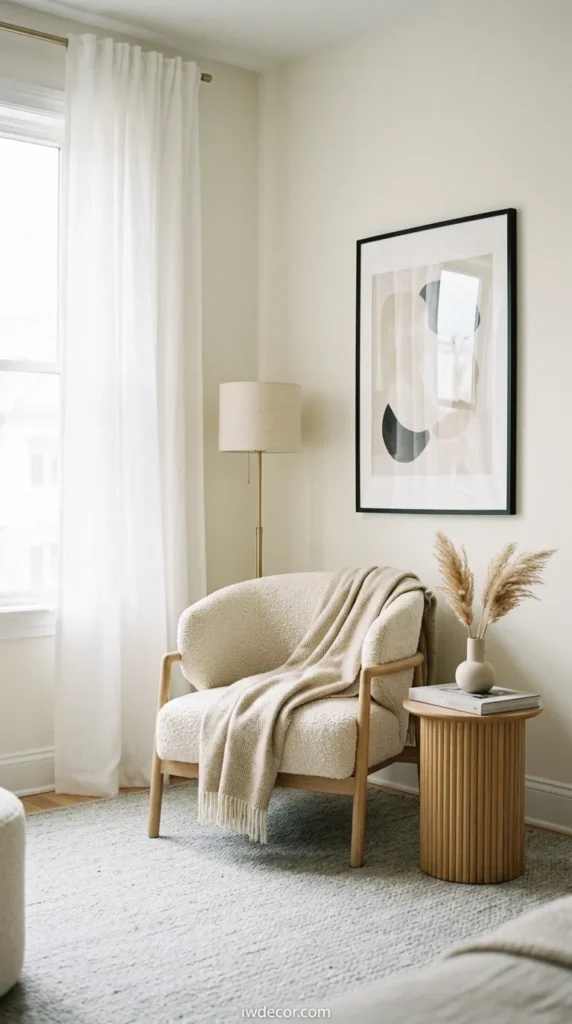
What is the best color for Scandinavian walls? Designers consistently choose whites (Pantone’s “Cloud Pink” or Benjamin Moore’s “Swiss Coffee”) and soft neutrals that don’t fight for attention. If you want a whisper of color, dusty blue-grey or pale blush work without overwhelming the space. The magic is in the undertones warm whites feel cozier than cool ones, and most Scandi rooms use creams with barely perceptible yellow undertones.
2. Layer Natural Wood in Multiple Tones
Scandinavian rooms feel warm because they mix wood tones intentionally. You’ll typically see pale oak or birch for large pieces (the sofa base, coffee table, TV stand), deeper walnut or teak for accents, and light ash for shelving. This isn’t random it’s a layering strategy that prevents the room from feeling sterile.
What flooring works with Scandinavian design? Light oak, ash, or whitewashed pine are classic choices. If you can’t replace flooring, light natural wood area rugs, wood coffee tables, and wooden shelving create the same visual effect. The key is avoiding overly dark or glossy wood; Scandi prefers matte, raw finishes that look lived-in, not showroom-perfect.
My Take
I made the mistake of using only one wood tone in a 14-foot apartment all pale birch and it looked flat, almost sterile. Adding a walnut side table and darker wood shelving transformed it. The variation keeps the eye moving and makes the space feel more curated and less like an IKEA catalog.
3. Use Closed Storage as Your Secret Weapon
Here’s what separates real Scandinavian living rooms from “Scandi-inspired” clutter: closed storage. Baskets under side tables, cabinets with doors, media consoles with hidden compartments, and benches with liftable tops these are where Scandi keeps the visual chaos. Remote controls, magazines, throw pillows, charger cables, children’s toys all hidden.
Open shelving looks clean in photos. Closed storage is what keeps your room feeling open in real life. In small spaces, every visible item competes for visual attention. Our guide on Scandinavian bedroom ideas digs deeper into closed storage solutions that work across different room types.
4. Choose Minimal, Leg-Heavy Furniture
Scandinavian furniture typically sits on visible legs (usually tapered wood or hairpin metal) instead of skirted bases or heavy wooden frames. This design choice is intentional: visible floor space makes the room feel larger. A low sofa with 6-inch legs looks airier than a traditional low-profile couch that sits directly on the ground.
In small rooms, choose furniture pieces that are 24 inches deep or shallower for sofas and chairs. Coffee tables under 18 inches tall keep sight lines clear. These proportions are standard in Scandi design because they’re obsessed with not blocking views or light. Paired with light upholstery (linen, light grey wool), leg-forward furniture becomes nearly invisible and that’s exactly the goal.
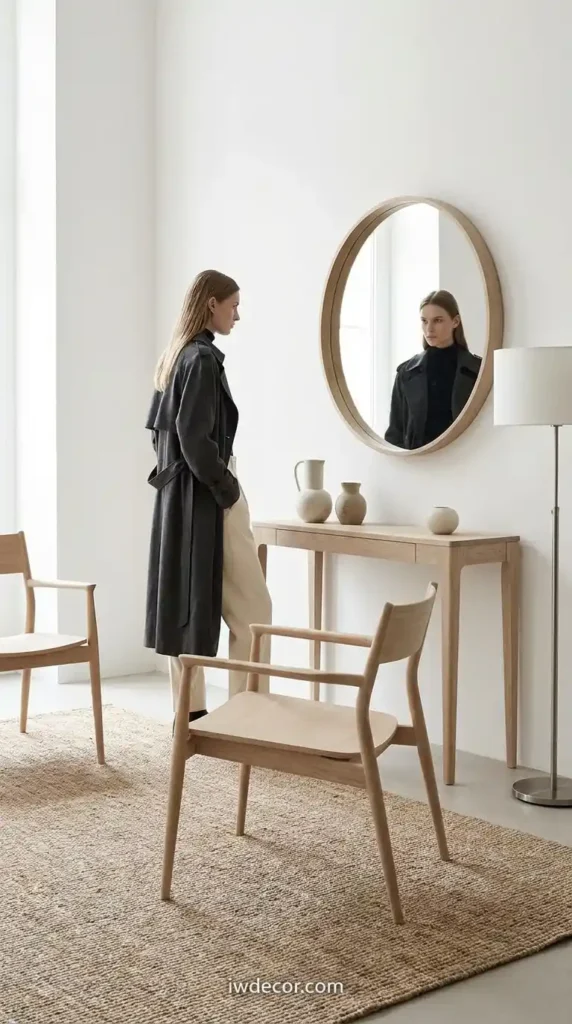
5. Float Shelves and Furniture Off the Floor
Floating shelves, wall-mounted consoles, and suspended entertainment units do two things: they visually expand the floor space and make cleaning easier (a bonus that Scandi owners actually care about). Shelves that appear to hover at 40–48 inches from the floor work better than lower shelves in small rooms because they don’t interrupt the visual path.
Wall-mounted storage is particularly powerful in rooms under 150 square feet. A 36-inch floating shelf above a small console can hold décor and books without eating floor space. TVs mounted on walls, media consoles on brackets, even accent tables with wire legs the principle is the same: let the eye see the wall and floor behind it.
6. Master the 3-Point Lighting Rule for Depth
What is the 3-5-7 rule in interior design? It’s a principle that suggests using 3, 5, or 7 items (not even numbers) to create visual balance. For lighting, Scandi rooms typically use three types: ambient (overhead or wall), task (reading lights, accent tables), and accent (subtle wall sconces or pendant lights). This layering creates perceived depth in a small room.
A single overhead light makes a small room feel flat and corporate. Add a pendant light near the sofa, a floor lamp in the corner, and a soft wall sconce, and suddenly the room has dimension. Scandi prefers warm white bulbs (2700K color temperature) over cool LED, and it favors simple fixtures think linen shades, wire, and wood, not crystal or brass.
My Take
Lighting changed my 12-foot apartment more than any furniture swap. One overhead light made it look like a dorm room. Adding a brass arc lamp and linen pendant light transformed it into something people actually wanted to sit in. The layered light created coziness and the shadows made the room feel deeper.
7. Layer Soft Textiles Without Overwhelming
Scandinavian design is tactile. Throws, pillows, and blankets introduce texture and warmth, but the restraint is crucial. The rule is usually 2–3 throw pillows per sofa (not 7), a single knit throw draped on an armrest, and one natural fiber floor cushion if you want it. The colors stay within the palette: creams, soft greys, pale blue-grey, maybe one earthy tone like terracotta or sage.
Materials matter more than quantity. Linen, wool, cotton, and jute are Scandi staples because they age well and feel intentional. Faux furs and synthetic blends start looking cheap after a season. Layered cotton and linen bedding translates to the living room: mix natural fibers for a refined, textured look that doesn’t look busy.
8. Define Zones with Tactile Rugs
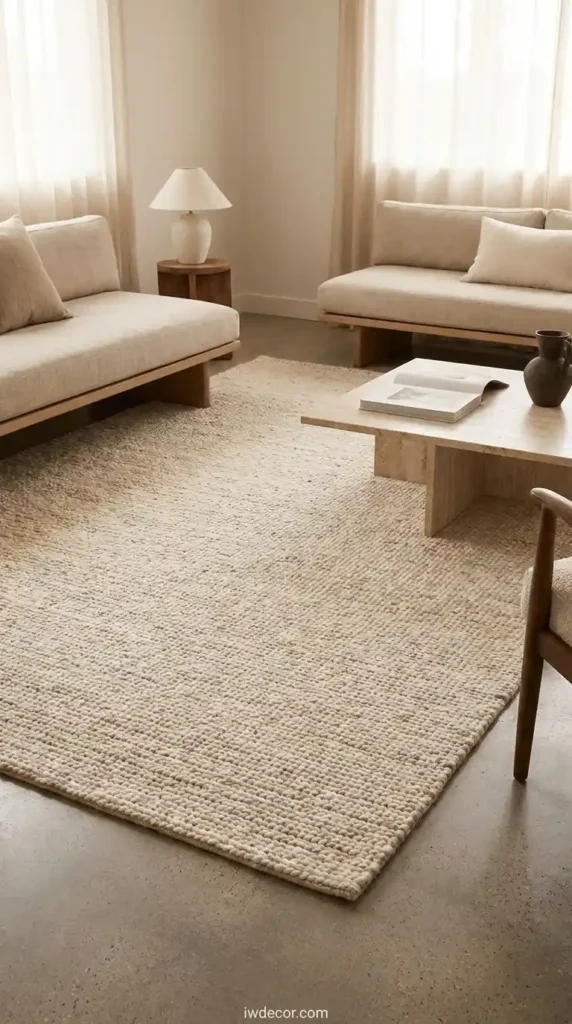
A good area rug in a small living room anchors the seating area and defines the space without needing walls. Scandinavian rugs are typically natural fibers wool, jute, sisal, or cotton in neutral tones with minimal patterns. A 5×7 rug works for rooms up to 130 square feet; anything larger can overwhelm.
Textured jute area rugs are popular because they’re durable, affordable, and add visual interest without pattern overload. The rug should be large enough that at least the front legs of the sofa sit on it. Undersized rugs make rooms feel choppy and disconnected; oversized rugs in small rooms feel claustrophobic. The rug is also where you can introduce subtle color a pale grey wool rug or one with thin cream stripes adds warmth without disrupting the open feel.
9. Keep Wall Decor Intentional and Sparse
Is Scandinavian decor still in style? Absolutely, but the style has evolved. What’s out: gallery walls, maximalist art arrangements, and heavy frames. What’s in: one statement piece (a large Anselm Kiefer-inspired abstract or a geometric print), maybe a floating shelf with three carefully selected items, and then… mostly wall. Empty wall space is a design element in Scandi rooms.
Wall-mounted minimal line art prints are a Scandi favorite think simple botanical drawings or geometric shapes in black or soft gray. Oversized floor mirrors lean against walls to expand sight lines without requiring hanging hardware. If you hang art, use simple frames (natural wood or matte black) and limit yourself to 1–2 pieces in the main living area. Too much wall decor compresses small spaces.
10. Bring in Real Plants and Natural Materials
Living plants are non-negotiable in Scandinavian rooms. Fiddle leaf figs, pothos, snake plants, and dracaena are favorites because they’re low-maintenance and add organic texture. In small spaces, one large plant in a corner or near a window works better than scattered small pots (which make rooms feel cluttered). A single floor plant around 3–4 feet tall brings life without taking up square footage.
Natural materials extend beyond plants: raw wood, linen, untreated metal, cork, and natural leather are the building blocks. These materials age beautifully, develop patina, and feel authentic in a way that new synthetics never will. A single vintage leather ottoman or a raw pine side table gives the room character and warmth that pale paint and light wood can’t achieve alone.
My Take
A single large plant changed the energy of my living room more than I expected. It softened the corners, added life to the pale walls, and gave the eye something organic to land on besides hard furniture. I noticed I spent more time in the room people are drawn to natural elements, even in small spaces.
11. Choose Minimal Window Treatments
Windows are precious in small spaces, so Scandi design protects the light. Heavy curtains, shutters, and layered drapes are out. Instead: sheer linen curtains, light cotton panels, or roman shades in cream or soft grey. The goal is to filter light without blocking it. If you need privacy, light linen still lets diffused light through during the day.
Curtain rods should be simple black iron, natural wood, or matte brass. Hung high (near the ceiling molding, not at window level) and wide (beyond the window frame), curtains or panels draw the eye upward and make the ceiling feel higher. Floor-to-ceiling curtains in a small room can make it feel taller than it actually is.
12. Anchor with One Low-Key Statement Piece
One carefully chosen standout item prevents Scandi minimalism from feeling sterile. This might be a mid-century wood-frame sofa, a sculptural side chair, a natural wood credenza, or vintage lighting. The key is “low-key” it should blend with the palette (natural materials, neutral color) but have distinctive proportions or texture.
That piece becomes the room’s anchor. Everything else supports it quietly. If your statement piece is a cream linen sofa with beautiful wooden legs, the rest of the room (rug, throw, plant, accent table) should harmonize, not compete. One piece of presence prevents the room from feeling impersonal while respecting the minimalist principle.
13. Add Subtle Metal Accents for Warmth
Small touches of metal brushed brass, blackened steel, or burnished copper warm up pale Scandinavian rooms. Lamp bases, picture frame corners, side table legs, or candlestick holders in soft metals add richness without gloss. The metal should be matte or softly aged, not polished or shiny; Scandi avoids the “brand new” look.
Leather pull hardware upgrades transform simple furniture, too. A pale wood cabinet with leather pulls looks intentional and warm. Metal accents are typically found objects or vintage pieces rather than new accessories, which keeps the aesthetic feeling collected over time rather than purchased from one store.
14. Keep the Layout Open and Uncluttered
The physical arrangement matters as much as what you put in the room. Scandinavian layouts are typically simple: sofa against one wall, side table or console opposite or perpendicular, one accent chair, possibly a small TV stand. The goal is clear sightlines from the entry through the room. Nothing blocks the view; nothing feels cramped.
In small rooms, floating furniture away from walls (paradoxically) can make the space feel larger if the layout is clean enough. A sofa pulled slightly away from the wall with a console table behind it creates a defined seating area without eating visual space. The trade-off is clear: move the furniture only if it opens the space, never just to “fill” it.
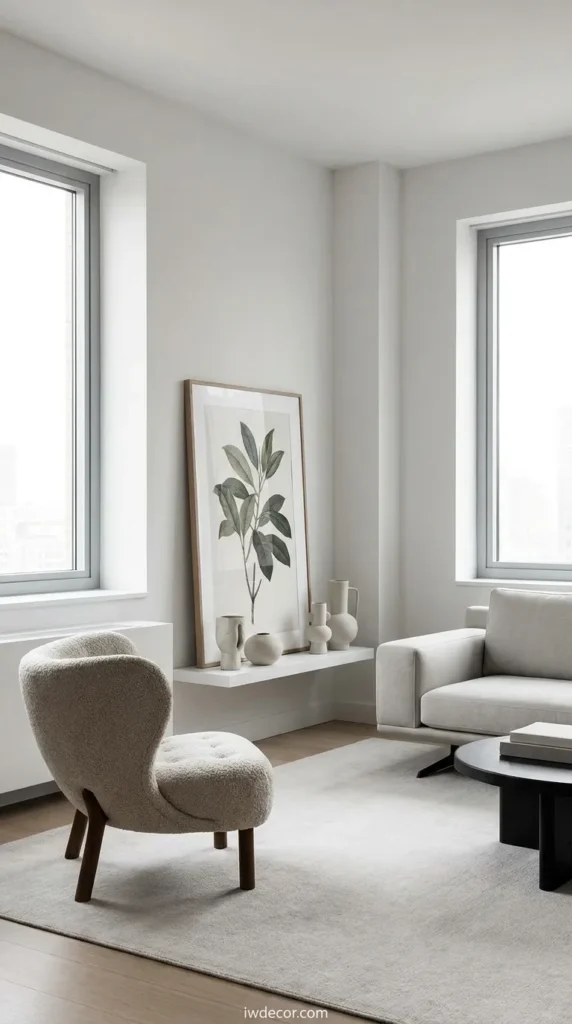
15. Embrace Japandi and Earthy Minimalism (2026 Trend)
What are the Scandinavian design trends in 2026? Japandi (a blend of Japanese and Scandinavian aesthetics) is rising. It combines pale minimalism with raw wood, natural textures, and ultra-clean lines. Earthy minimalism still minimal but warmer than stark Scandi incorporates muted terracotta, sage, warm beige, and natural linen more prominently than the cooler palette of 2020–2023 Scandi.
What’s going out of style in 2026? Overly sterile all-white rooms, perfect gallery walls, and the “Instagram Scandi” look. What’s replacing minimalism in interior design is a warmer, more lived-in minimalism spaces that still favor restraint and function but feel home-like rather than showroom-ready. Small Scandi living rooms are embracing this shift: adding warmer wood tones, earthy accent colors, and more textural variation while keeping the core principle of “nothing unnecessary.”
My Take
The shift toward Japandi is perfect for small spaces. Those cool, sterile Scandi interiors that looked great in magazines felt cold in reality. Adding warmer wood, a terracotta accent, or linen with visible weave makes the room feel inhabited, not staged. Scandi’s evolving, and it’s getting better at being livable, not just beautiful.
Frequently Asked Questions
Is Scandinavian style good for small spaces?
Yes. Scandinavian design’s emphasis on light, function, and restraint directly solves the core challenges of small rooms. Light walls reflect what natural light you have. Minimal furniture and closed storage prevent visual clutter. And the style’s preference for quality over quantity means you’re not tempted to overcrowd. Scandi is arguably better for small spaces than large ones, where the minimalism can feel sparse.
Is Scandinavian decor still in style?
Absolutely. Scandi has been trendy for nearly a decade, which usually means it’s about to shift. But the core principles function, light, natural materials, restraint aren’t trendy. They’re timeless. What’s evolving is the warmth and accessibility. 2026 Scandi is warmer, more textured, and less sterile than 2020 Scandi, but the foundation remains solid.
What does Scandinavian interior design mean?
Scandinavian interior design is a philosophy emphasizing function, light, simplicity, and quality. It originated in Denmark, Norway, Sweden, and Finland and values rooms that work well, look calm, and use natural materials. The aesthetic is pale, warm, minimal, and purposeful nothing sits around being decorative if it doesn’t also serve a function.
What items do minimalists typically get rid of?
Scandi minimalists shed: duplicate furniture (two side tables when one works), excessive throw pillows, decorative items that don’t function, books kept for status (they keep books they actually read), multiples of kitchen gadgets, picture frames with generic art, and anything with visible cords or chargers. They keep: quality furniture, one really good lamp, plants, natural materials, and items they use or genuinely love.
What design trends are out in 2026?
Maximalism, gallery walls (in their “every inch of wall is art” format), bold jewel tones everywhere, over-patterning, and aggressively styled Instagram aesthetics are cooling. In 2026, the trend is toward authenticity and livability over perfect presentation. That said, colorful accent walls, collected vintage pieces, and intentional pattern in moderation are still in. It’s about balance, not extremes.
Explore More Scandinavian Design Ideas
Ready to expand beyond the living room? Our Scandinavian bedroom ideas guide covers how to apply these same principles to sleeping spaces with budget-conscious solutions. For a comprehensive overview of the style, check out our Scandinavian interior decor guide, which walks through the full philosophy and history behind Nordic design. And if you’re furnishing multiple rooms, the bedroom article has detailed tips on minimalist storage, lighting, and spatial planning that transfer directly to living rooms too.
Small Scandinavian living room ideas work because they don’t fight the space they embrace it. Every design choice multiplies the perceived square footage: light walls, minimal furniture, closed storage, layered lighting, and natural materials all work together. You’re not decorating a small room; you’re creating an intentional, calm, beautiful space that happens to be compact. That’s the Scandi difference.