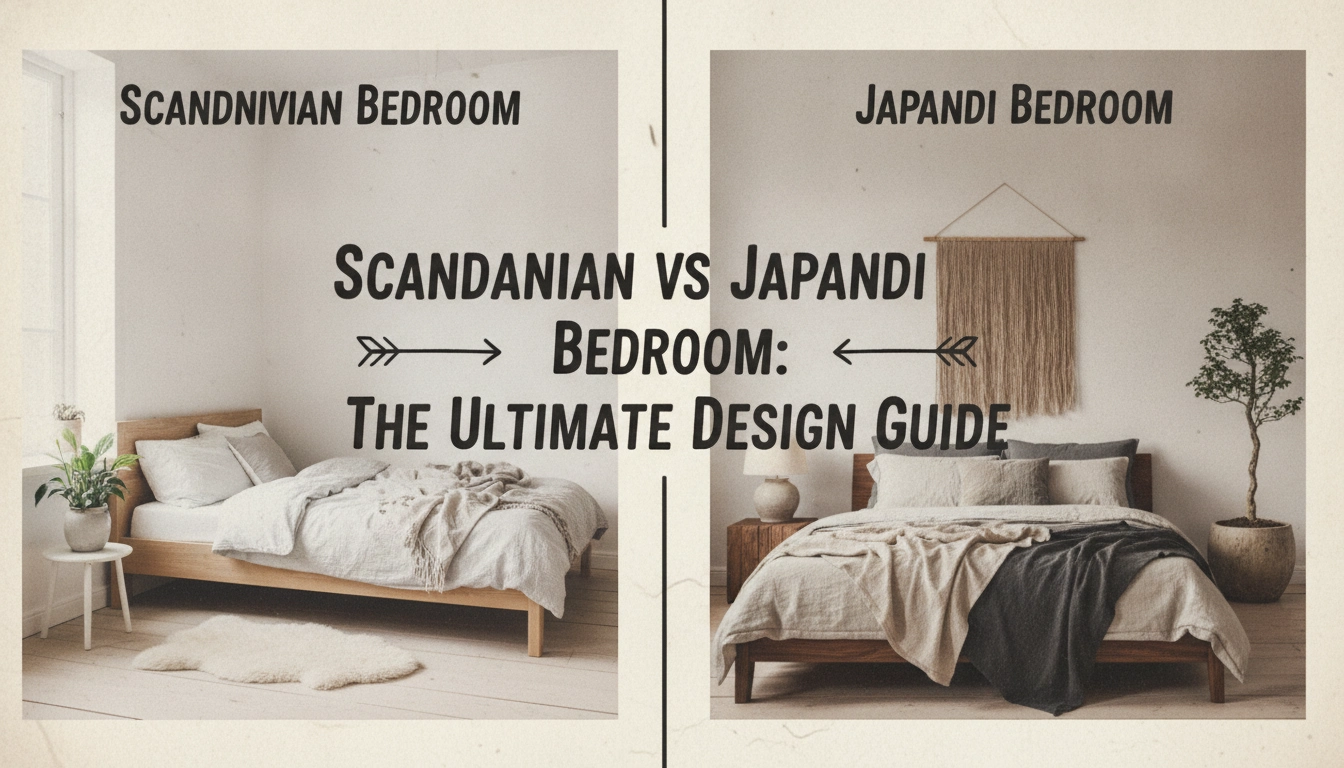
Scandinavian vs Japandi Bedroom: The Ultimate Design Guide
Honestly typing this on my phone while waiting for my flight but I have to get this down because most bedrooms I see are just totally suffocating and nobody seems to realize that the way you set up your bed is literally deciding how you feel the second you open your eyes. Like, why do we tolerate waking up and immediately feeling blocked by giant, heavy objects? It makes no sense. I was talking about this exact thing with Timmothy Reynolds he’s in Tulsa, has this room with gorgeous windows but it felt completely dead and heavy. We didn’t tear down a single wall, we just changed how the light and air actually move through the room.
The Core Philosophy
While both styles value simplicity, Scandinavian design seeks to capture and multiply scarce natural light, whereas Japandi embraces the quiet elegance of shadow and organic imperfection.
What Is Scandinavian Bedroom Design?
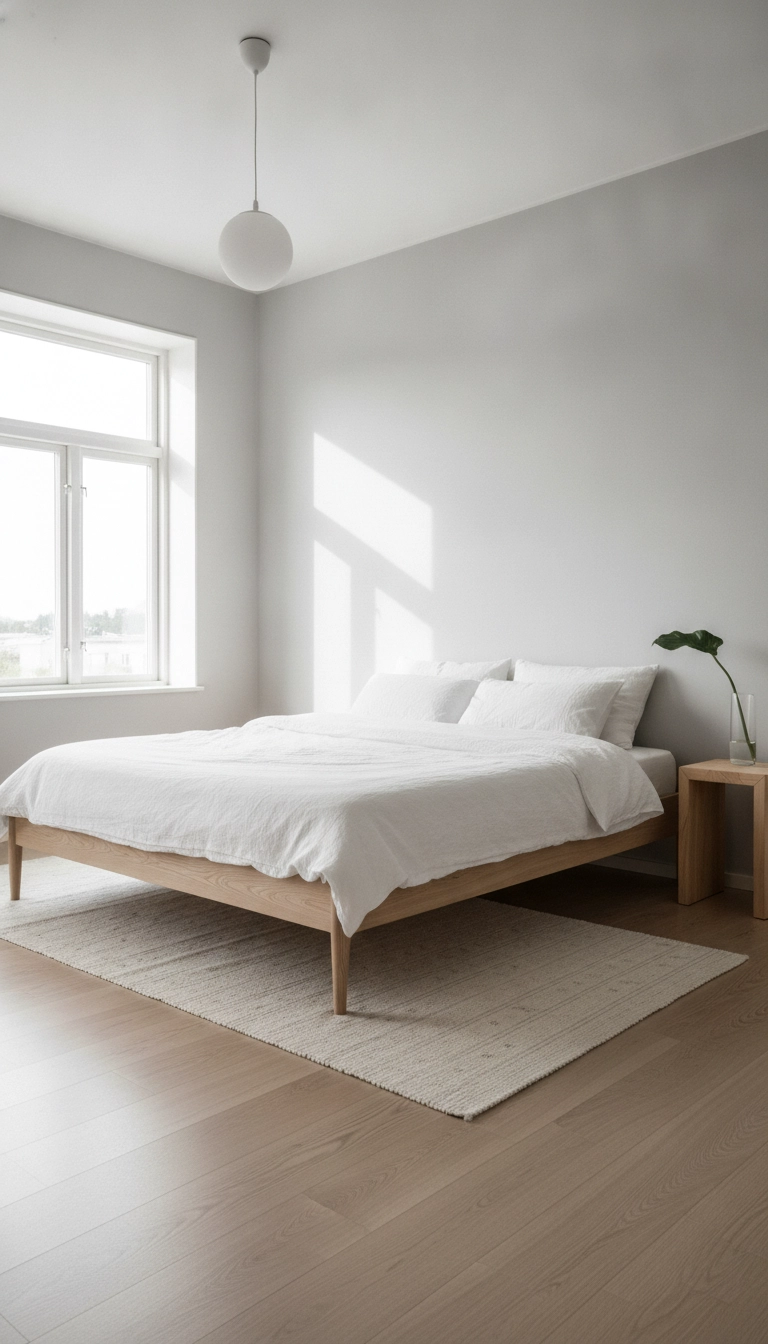
Nordic spaces are really about survival. Or, well, surviving the winter without losing your mind. That means we need to catch every single stray ray of sunshine and bounce it around the walls. You do that with pale, reflective woods. Birch. Ash.
It is about keeping things lifted. Leggy furniture. If air can sweep underneath your bed, the room instantly feels twice as big. It is a very simple mathematical reality of human perception. We want lines that are completely clean and uncomplicated. No unnecessary visual noise.
What Is Japandi Bedroom Design?
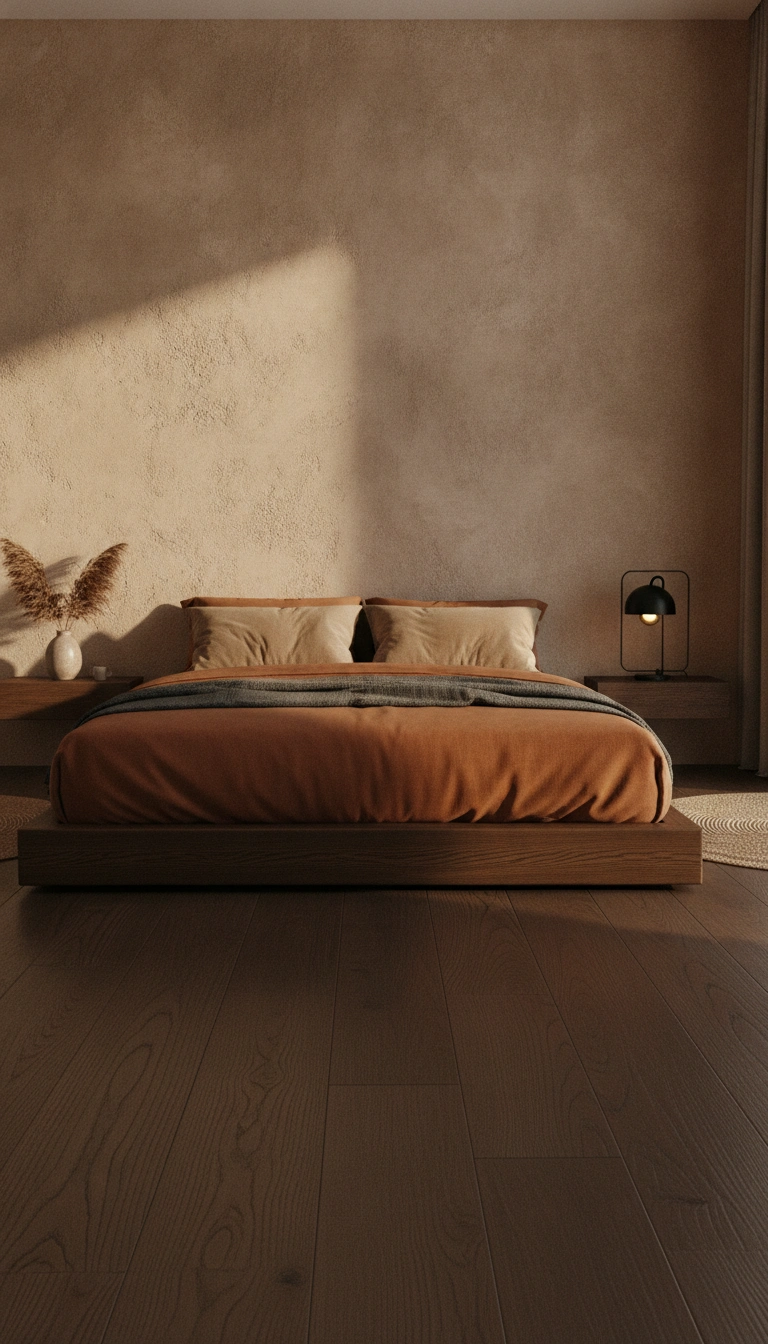
Now Japandi is something else. It is not just about survival; it is about grounding yourself. It takes that clean Northern utility and blends it with Japanese quietness. Think lower to the earth.
We are talking about rich, quiet tones. Plaster walls that actually have texture and catch the light instead of just reflecting it like a mirror. It is the concept of finding peace in things that are slightly imperfect. Wabi-sabi. It feels much more like a cocoon.
Key Differences in the Scandinavian vs Japandi Bedroom
If you look at how they handle contrast, they are completely different worlds. Scandi is bright. Crisp whites, cool grays, very high reflection. Japandi is warm and low-contrast. It uses shadows.
Actually, when you look at the physical properties, Nordic setups bounce about ninety percent of available light. Japandi does not do that. It focuses on grounding—almost ninety-five percent on that scale—and brings in a deep, ninety percent earthy warmth. Scandi sits much lower there, maybe fifty or sixty percent.
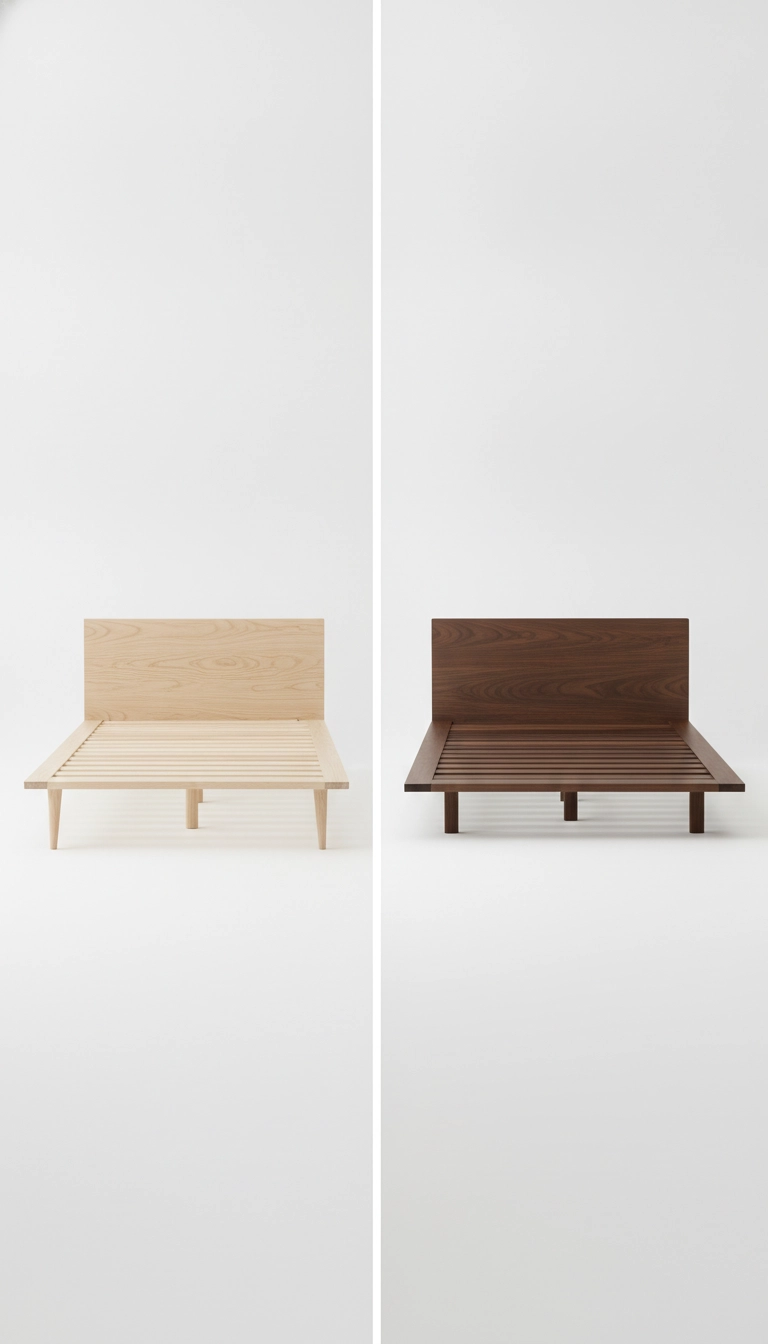
And the beds. Scandi beds are up on tall, tapered legs. Japandi bedframes sit right on the floor. Low platform style. This shifts the weight of the whole room down toward the floorboards.
Let us look at how these two styles distribute their visual weight and light energy across a room.
My Take
Notice how Japandi trades light reflection for maximum grounding. If you struggle with insomnia, you want that high grounding percentage to settle your nervous system before sleep.
Color Palettes: Scandi Brightness vs. Japandi Warmth
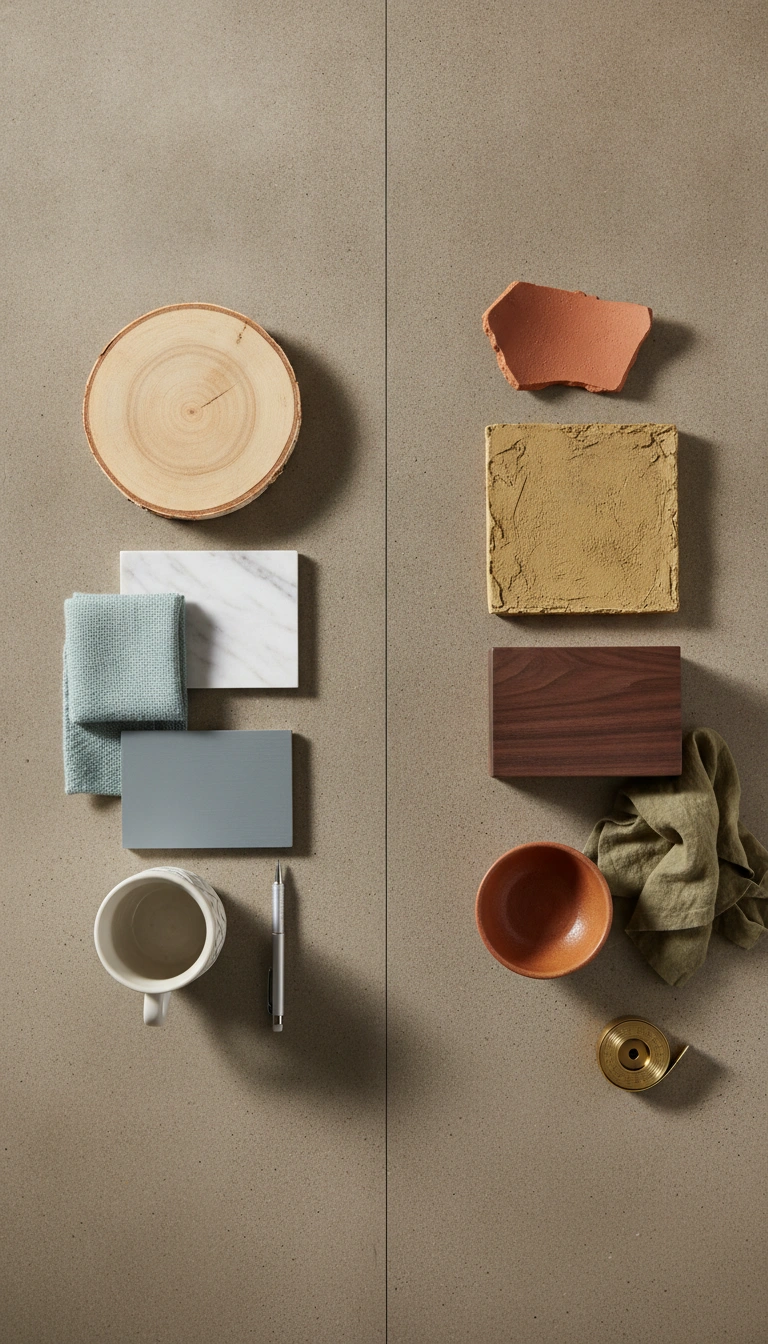
The northern palette is very crisp. Pure whites, soft creams, cool grays. It is designed to make you feel awake. It is highly energetic.
Japandi brings in earthy tones. Think ochre, terracotta, quiet olive greens, charcoal. These colors work with shadows rather than trying to erase them. It feels incredibly safe.
Avoid Pure White in Japandi
If you are leaning toward the Japanese influence, avoid stark white walls, as they can feel too sterile and clash with the warm, organic textures of the furniture.
To make it easier to choose your paint and textile colors, I have mapped out the exact tonal hierarchy of both design systems.
My Take
Keep your base to accent ratio at eighty to twenty. If you mix too many competing tones, you lose the quiet clarity that defines both styles.
Furniture Choices: Light Wood vs. Low-Profile Japanese Influence
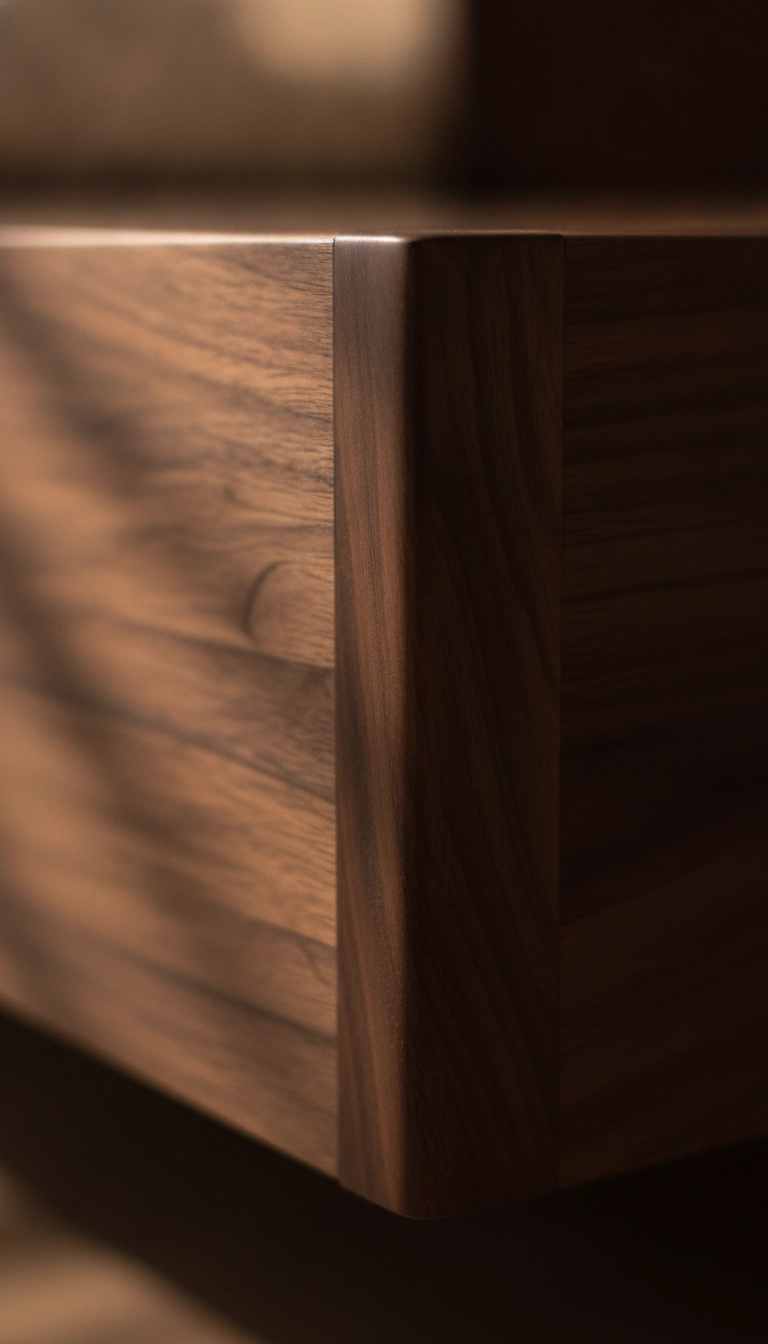
With Nordic furniture, you want slender, tapered legs. Blonde timbers like birch keep everything visually light. The floor remains visible, which tricks the brain into seeing space.
Japandi furniture is thicker. Closer to the ground. It uses darker timbers like walnut or dark oak. It immediately slows down your heart rate.
Textures and Materials Compared
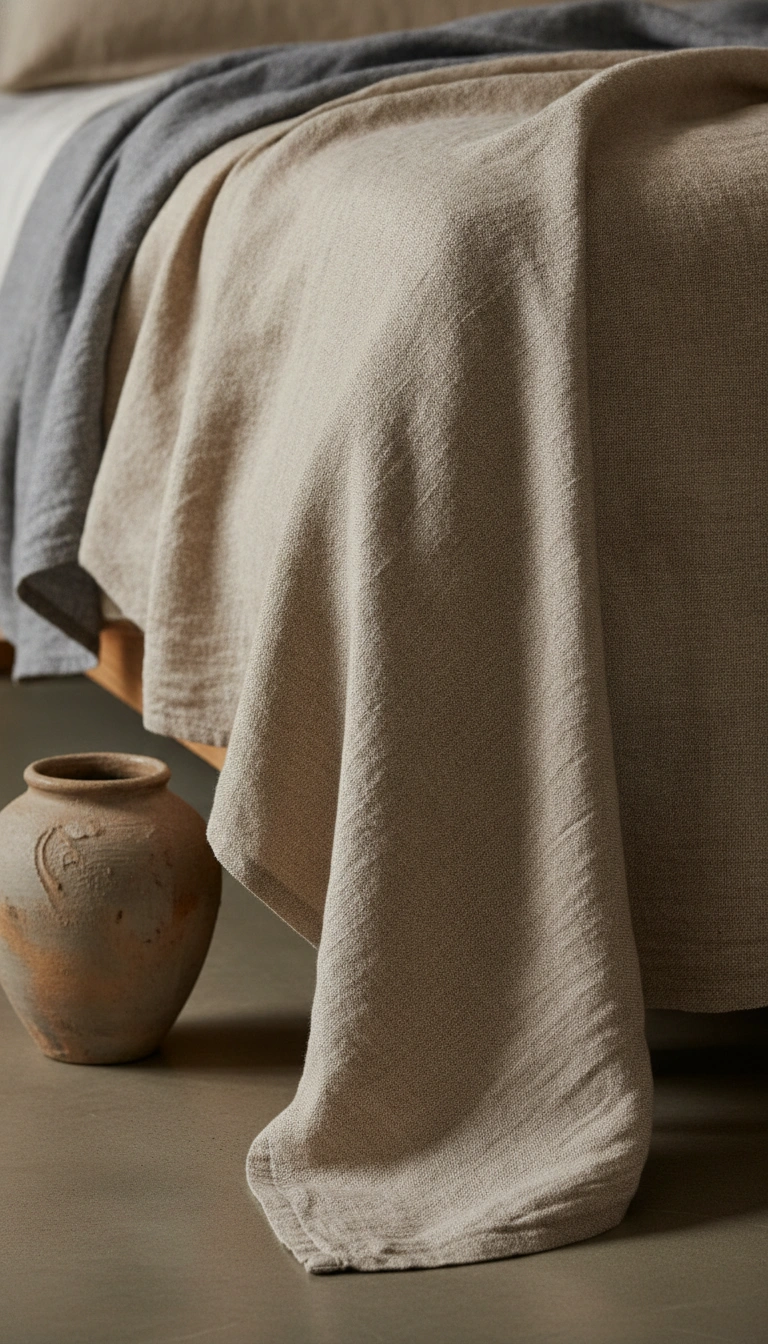
Scandi textures are soft and clean. Woven wool blankets, sheepskins, crisp linen sheets. They are there to keep you warm without adding visual weight.
Japandi is rougher. Unpolished. Woven bamboo, paper screens, rough clay vases, slubby linen that shows its natural wrinkles. It loves the look of things that have lived a little.
Let us look at how tactile surfaces differ when you are selecting your bedding and decor.
My Take
Do not overcomplicate your textures. Pick three materials max per room to keep the visual landscape simple and restful.
Lighting Approaches in Both Styles
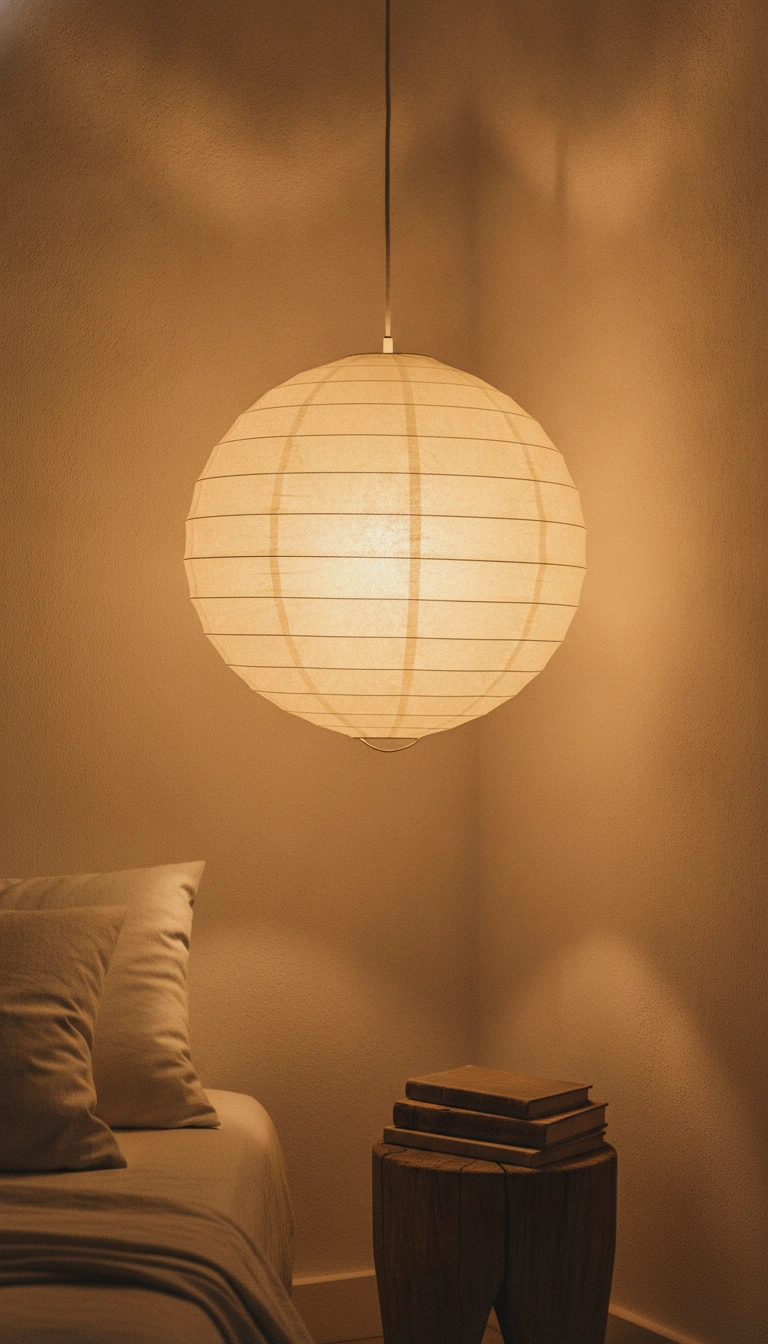
In the north, we layer light. Lamps at different heights. It mimics the natural movement of the sun during those short winter days.
Japandi lighting is soft and heavily diffused. Think paper lanterns and fabric shades. The light is filtered so there are no harsh glares anywhere. It prepares your mind for sleep.
Decor and Accessories: Minimal vs. Wabi-Sabi Aesthetics
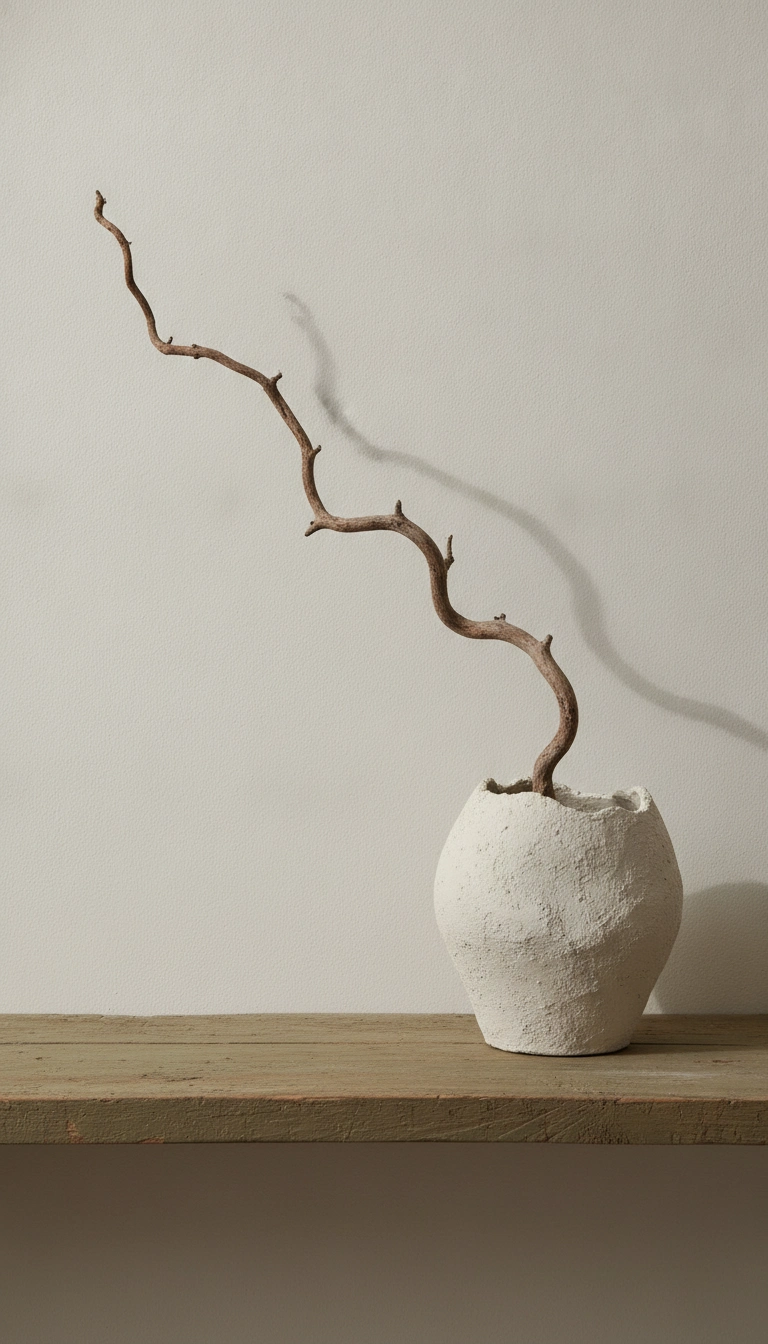
Scandi decor is functional. Simple geometric shapes, clear glass, perhaps a single botanical print on the wall. Everything has a purpose.
Japandi is asymmetrical. A weathered piece of wood, a single handmade ceramic pot, or one dry branch in a vase. It finds beauty in aging and simplicity.
Which Style Suits Small Bedrooms Better?
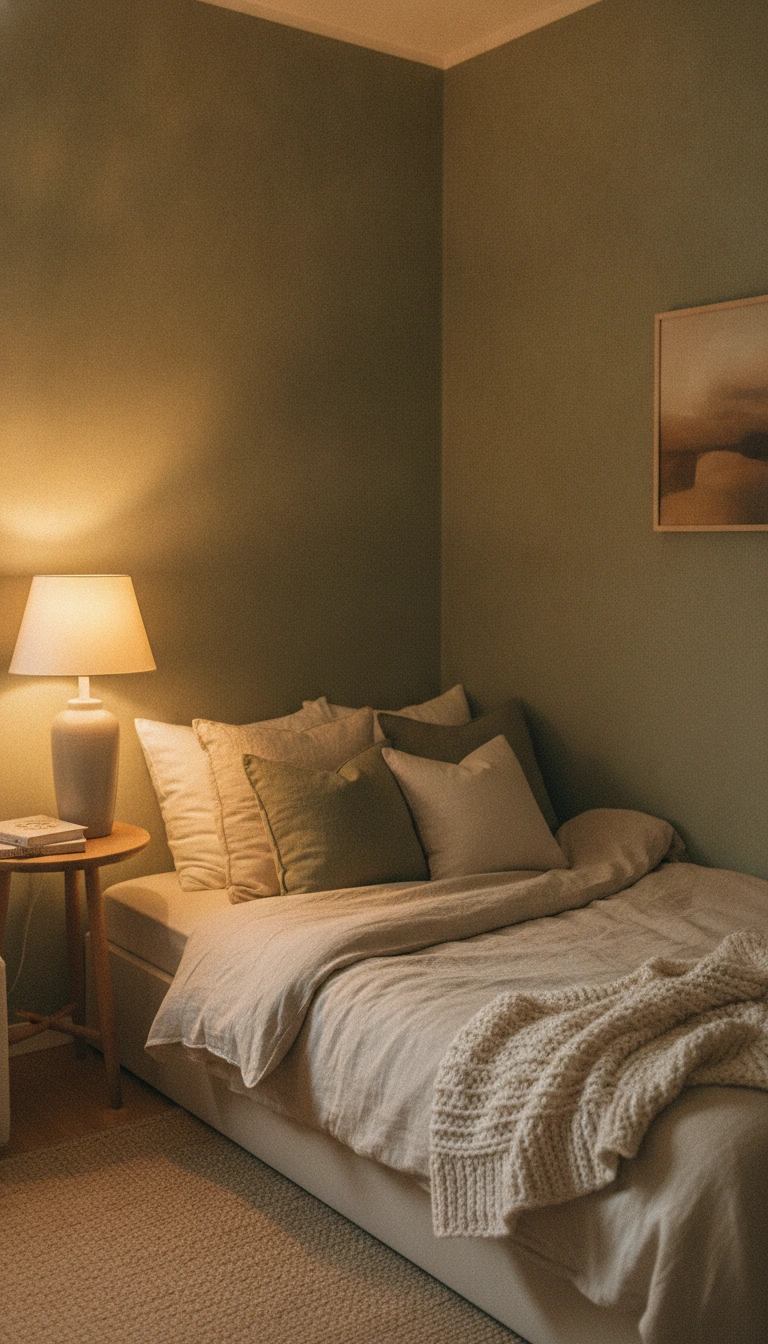
Nordic is usually the easiest choice for tight spaces. Because it is bright and elevated, it makes tiny rooms feel much wider. The light just bounces everywhere.
But if you only use your bedroom for sleeping, Japandi is wonderful. Its low-profile, cocoon-like feel turns a tiny room into a very cozy, safe harbor.
Can You Mix Scandinavian and Japandi in One Bedroom?
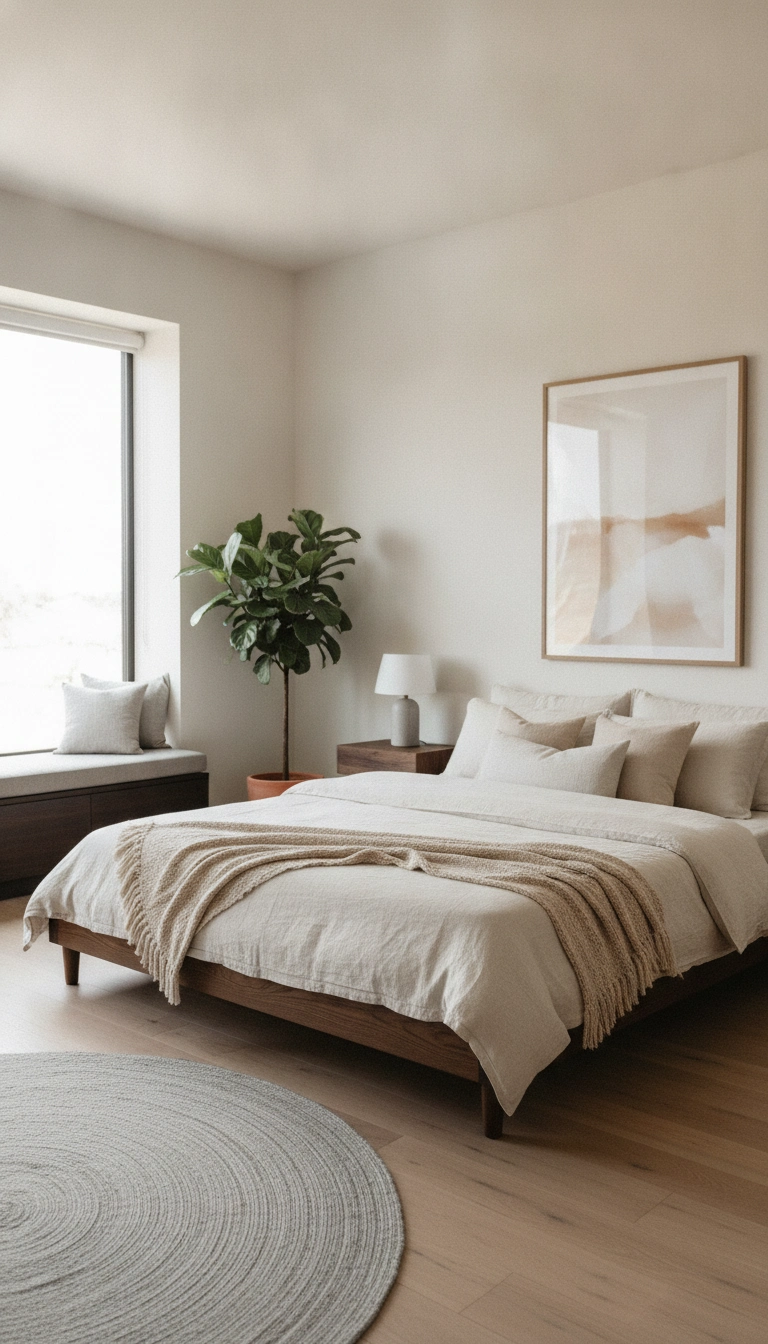
Absolutely. People do this constantly, and we call it Japandi in its most practical form.
You can paint the walls in a warm, Scandi off-white, then place a low-profile Japandi bed in rich, dark oak. It gives you the airy feeling of northern light but keeps you grounded.
Cost Comparison: Budget-Friendly vs. Investment Pieces
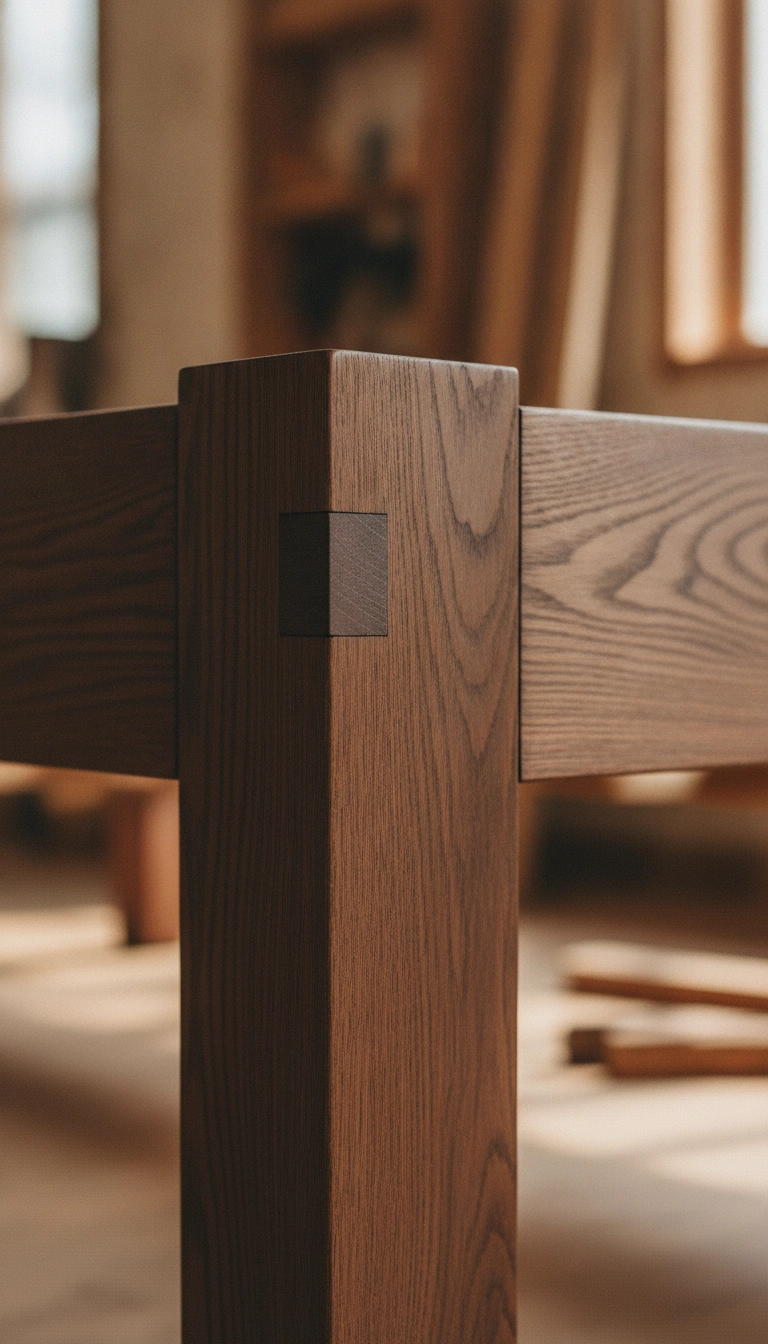
Scandi is highly accessible. You can find beautiful, clean pine or birch furniture almost anywhere without spending a fortune. It is very easy to replicate on a budget.
Japandi is more of an investment. It relies on handcrafted, solid wood pieces and unique, artisanal ceramics. These things cost more, but they are built to last several lifetimes.
Which Style Fits Your Personality and Lifestyle?
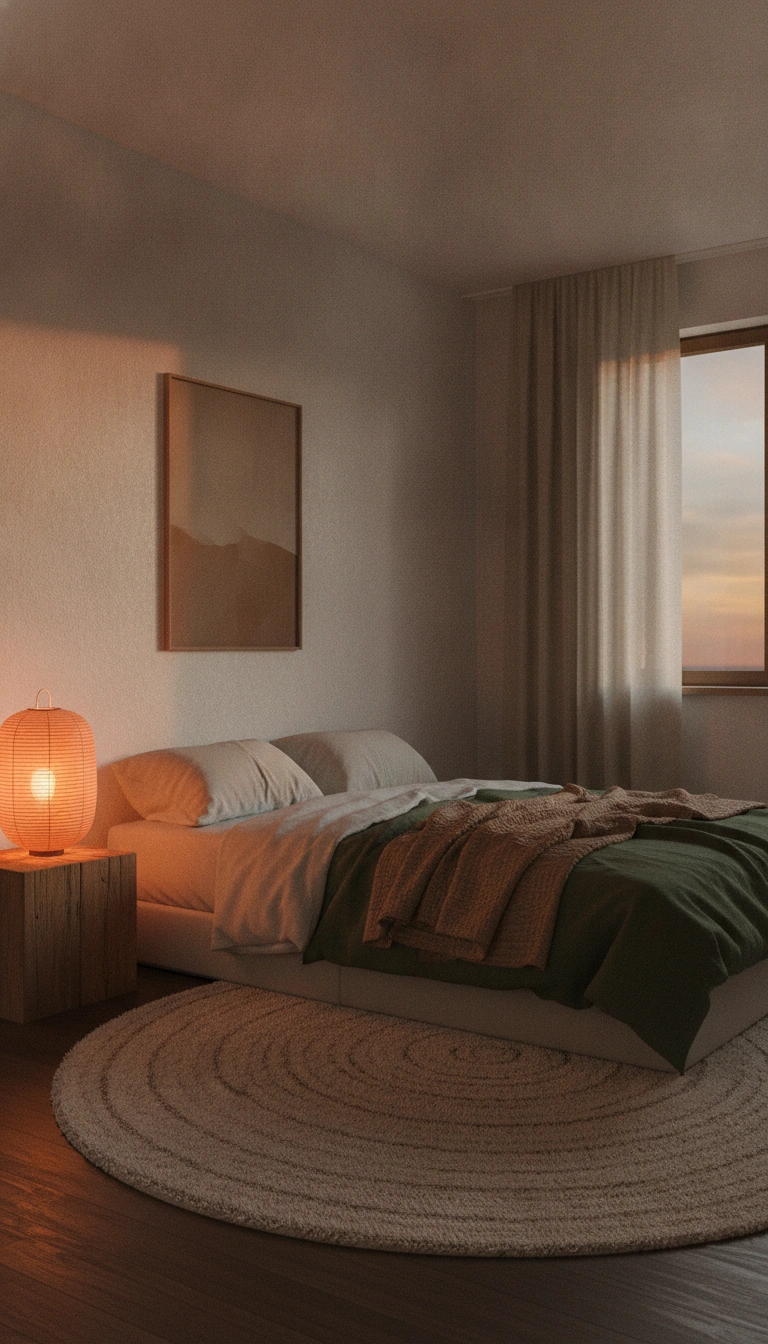
If you love bright mornings and waking up with lots of energy, go Scandi. It helps you get out of bed quickly and feel refreshed.
If you need to wind down and escape from a stressful day, Japandi is your answer. It is a physical cue for your body to relax and let go.
Real Bedroom Examples: Scandi vs. Japandi Side-by-Side
Imagine a room with pale gray walls, an ash wood bed on tall legs, and a big fluffy white duvet. It feels light, airy, and very fresh.
Now picture textured beige plaster walls, a low-profile dark walnut bed, and olive-green linen sheets. It feels silent, grounded, and incredibly relaxing.
Conclusion
Deciding between these two styles is really about deciding how you want to feel when you walk through your bedroom door. Both are wonderful ways to escape unnecessary visual noise.
Take a look at your windows, watch how the light moves, and decide which philosophy fits your daily routine. Let me know which one you prefer in the comments.