Scandinavian Interior Design: The Ultimate Guide to Nordic Minimalism
Seriously, walk into any home today and it’s exhausting. Drowning in stuff that doesn’t do anything or look good. I looked at a space yesterday and got an instant headache from the visual noise. You want clean but not a cold hospital wing. It’s a disaster when people try too hard.
What Is Scandinavian Interior Design?
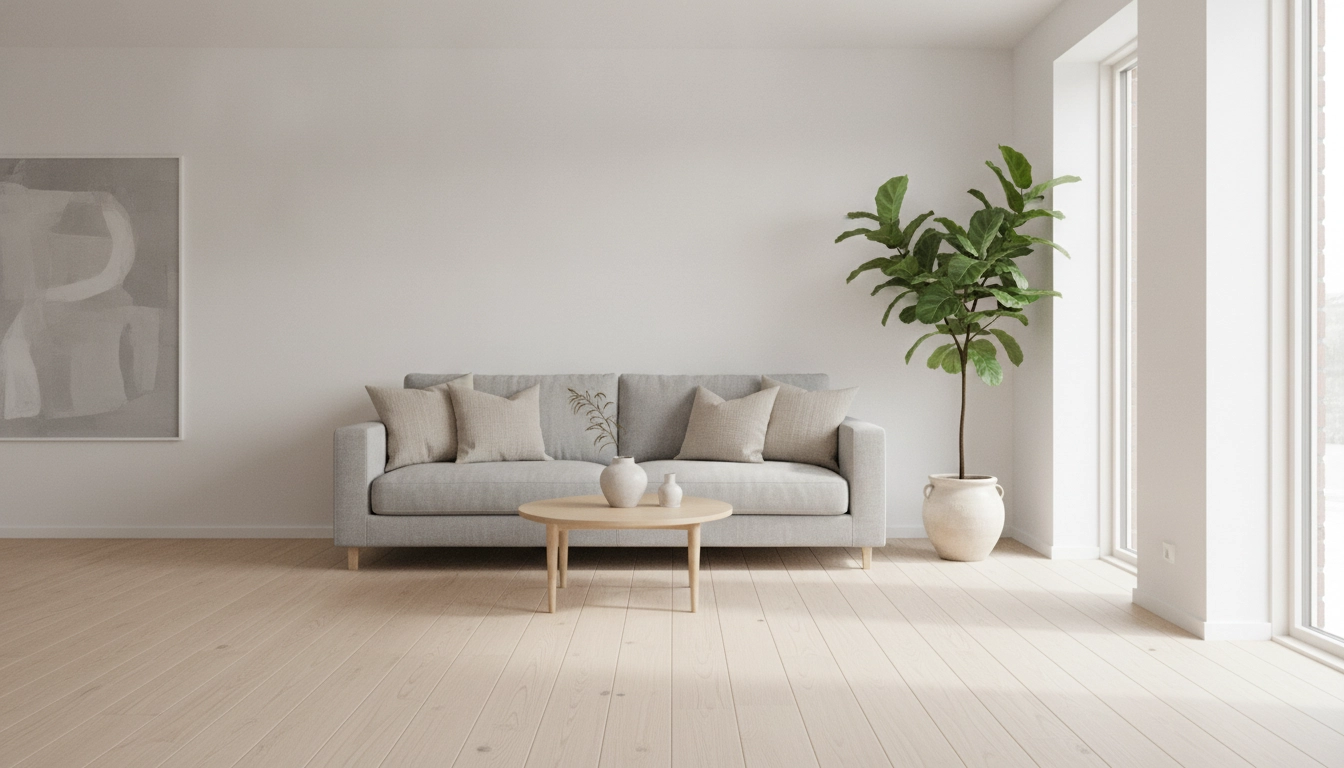
People get this wrong constantly. They think it’s just empty white rooms. No. Nordic style is about simple, useful, warm spaces. It started in the early twentieth century up north. They wanted bright rooms because it’s dark there. A lot. It’s about houses that actually work but still look gorgeous.
The History and Origins of Scandi Style
This took off in the nineteen fifties. Think of those brutal northern winters. You’d want a bright sanctuary too. I was talking about this with Karl Hoffman. He gets how those designers made beautiful, functional things accessible to regular people, not just the rich. It changed everything.
Avoid Synthetic Materials
Steer clear of cheap synthetic textiles and plastic furniture. These materials disrupt the natural, tactile experience that defines Nordic spaces and can make a room feel cold and impersonal.
Key Characteristics of Scandinavian Home Decor
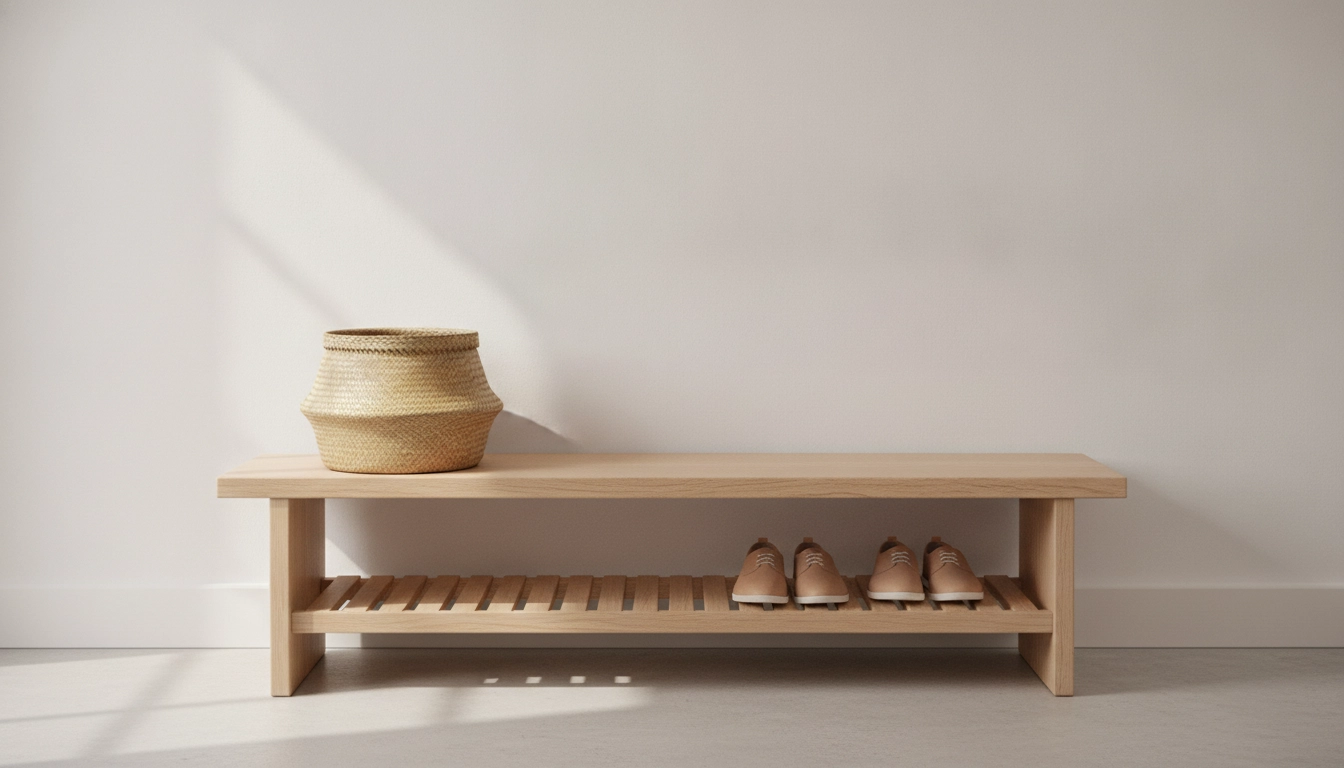
It’s simplicity, utility, and real beauty. If a piece doesn’t have a job, get rid of it. Clean lines and empty space let things breathe. Find that sweet spot where texture meets daily function. Invest in timeless pieces instead of cluttering up corners.
The Signature Scandinavian Color Palette
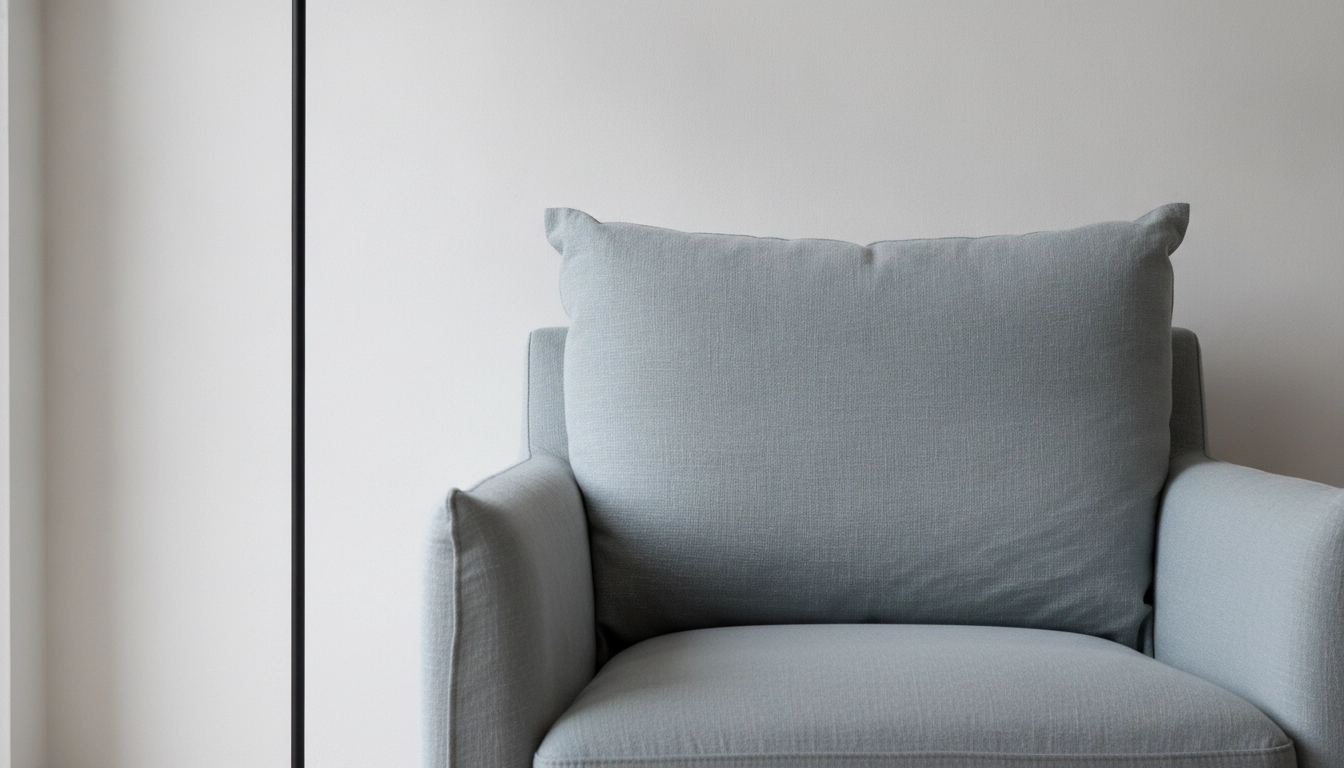
Light is what we are saving. So colors are quiet. Soft whites, cool grays, warm beiges. But don’t make it boring. Throw in some sharp contrast. Black metal or deep forest green. Rust works too. It brings the outside indoors.
Let us look at how these colors actually work together because getting the paint wrong is an absolute nightmare.
My Take
Do not overthink this. Pick one white, one wood tone, and one dark accent. That is the whole secret. Keep the balance clean and let the light do the rest of the work.
How to Choose Scandinavian Furniture for Your Home
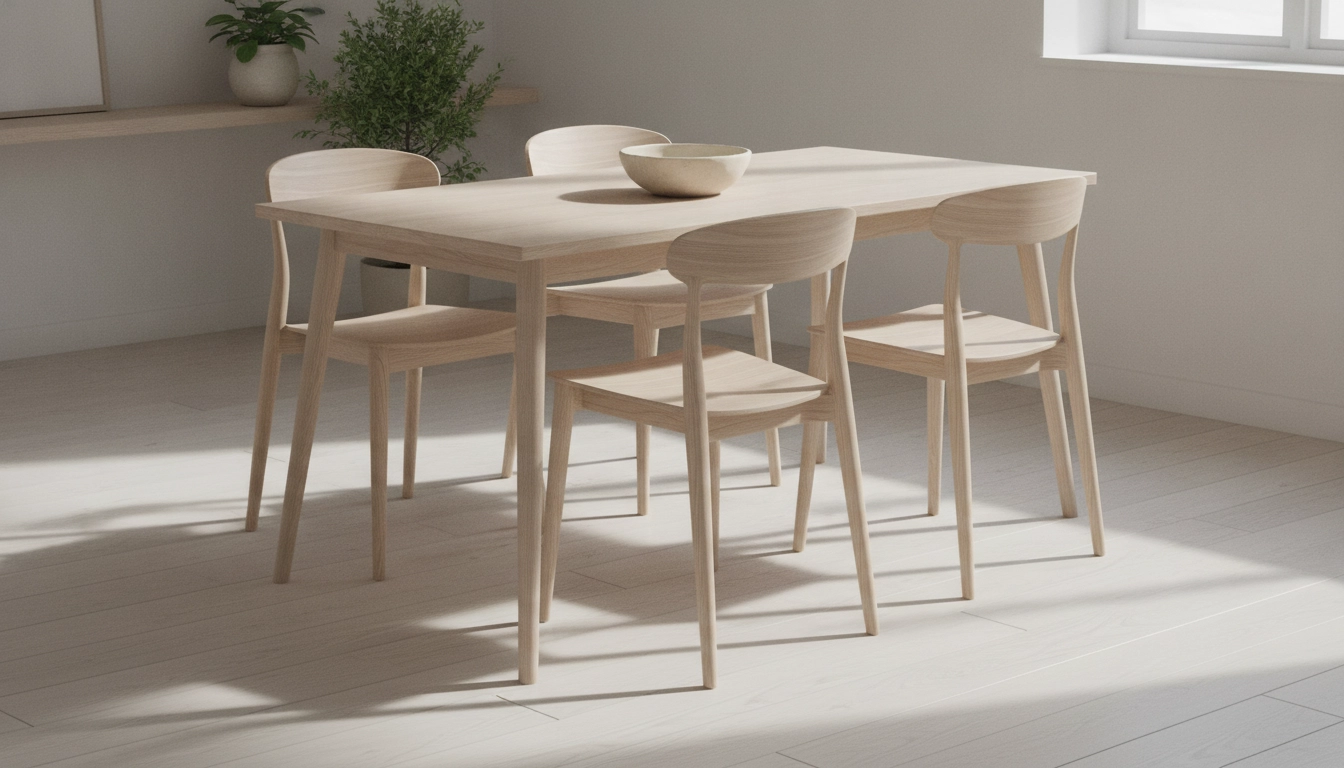
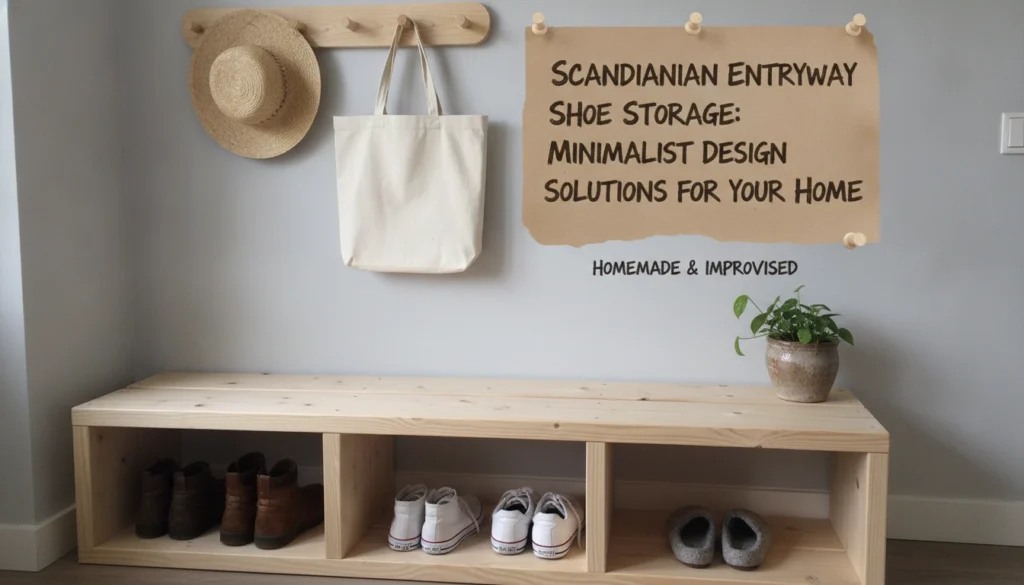
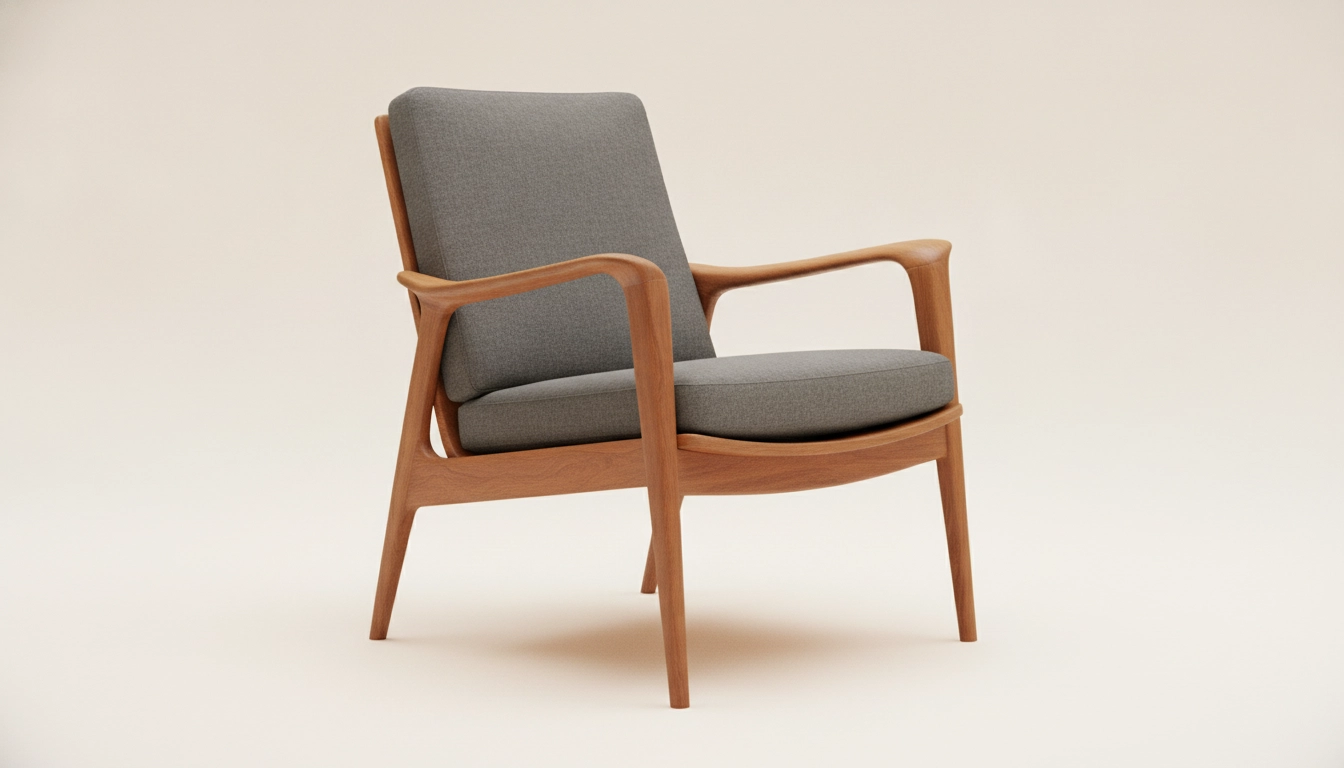
Look for tapered legs and light woods like pine. They make furniture feel lighter, like it’s hovering. You want multi-functional pieces. A bench that hides blankets or an expanding table keeps the floor clear so light bounces.
Natural Light in Scandinavian Interior Design
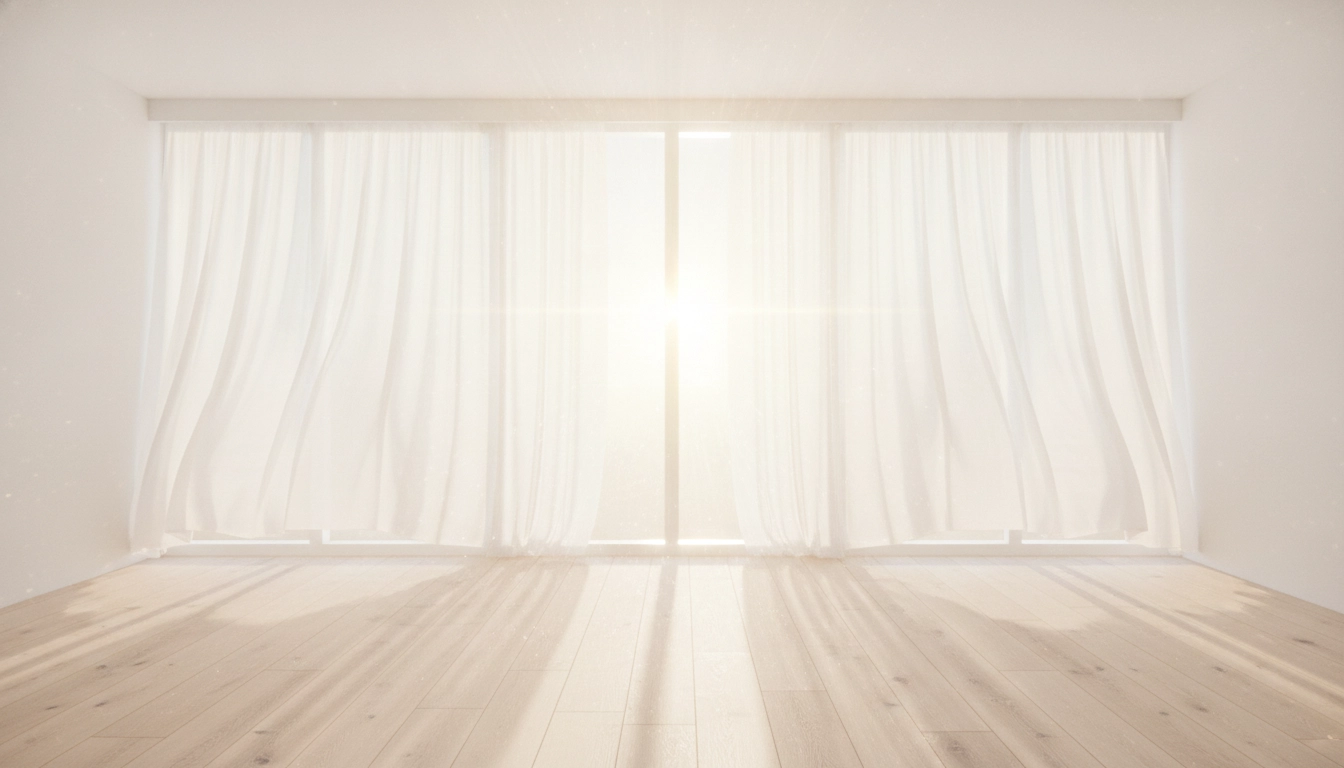
You cannot skimp on light. Sunlight is gold. Throw away heavy drapes. Leave windows bare or use sheer fabrics. Layer your lamps. Don’t just use harsh ceiling lights. Sculptural floor lamps and candles change the whole mood.
Lighting Strategy
To achieve authentic Nordic warmth, place light sources at different heights. Use a tall floor lamp for reading, a low table lamp on a sideboard, and candles on the coffee table to create a soft, inviting glow without relying on harsh overhead lights.
Embracing Hygge in Your Interior Design
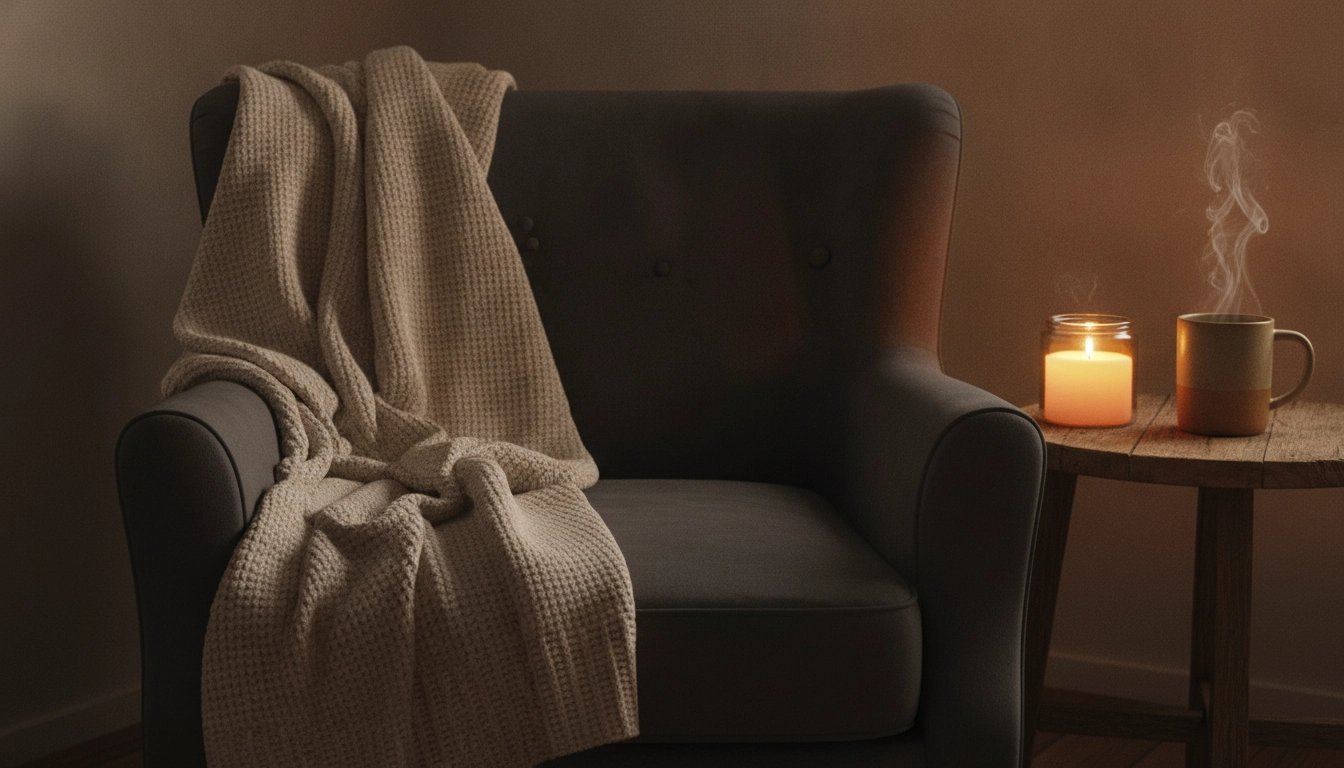
Hygge is just cozy contentment. In a home, it’s about tiny moments of peace. A corner where you actually want to sit. Get a comfortable chair, toss a soft throw over it, and turn on a small lamp. Slow down.
Using Natural Materials and Textures for Warmth
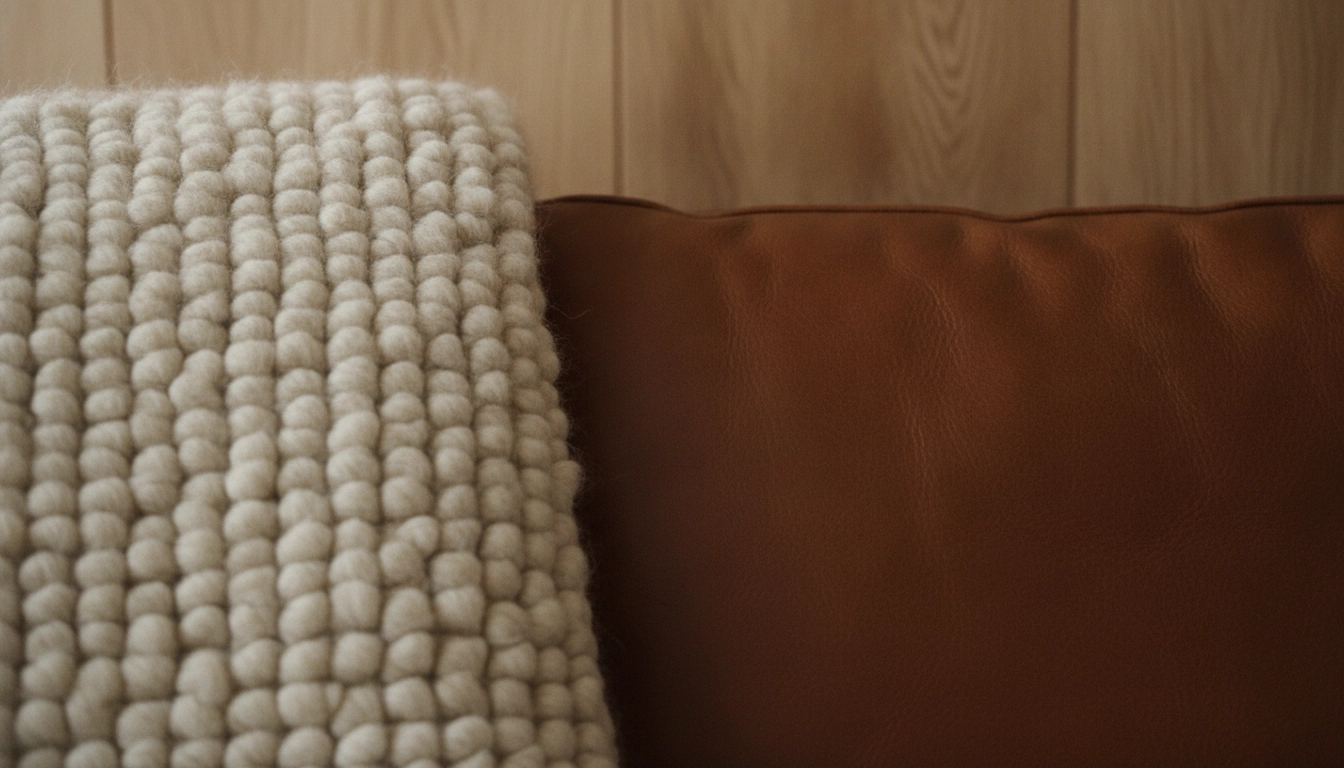
Without texture, simple rooms feel like offices. You need wood, stone, leather, wool, and linen. Put a thick, chunky knit blanket on a sleek leather sofa. That contrast is everything. It makes you want to relax.
You cannot just throw random fabrics together and hope for the best, so here is exactly how to mix your textures.
My Take
Texture is your absolute savior. If a room feels cold, do not buy more stuff. Just swap a flat cotton pillow for a chunky wool knit and watch the room transform.
How to Decorate Your Living Room in Scandinavian Style
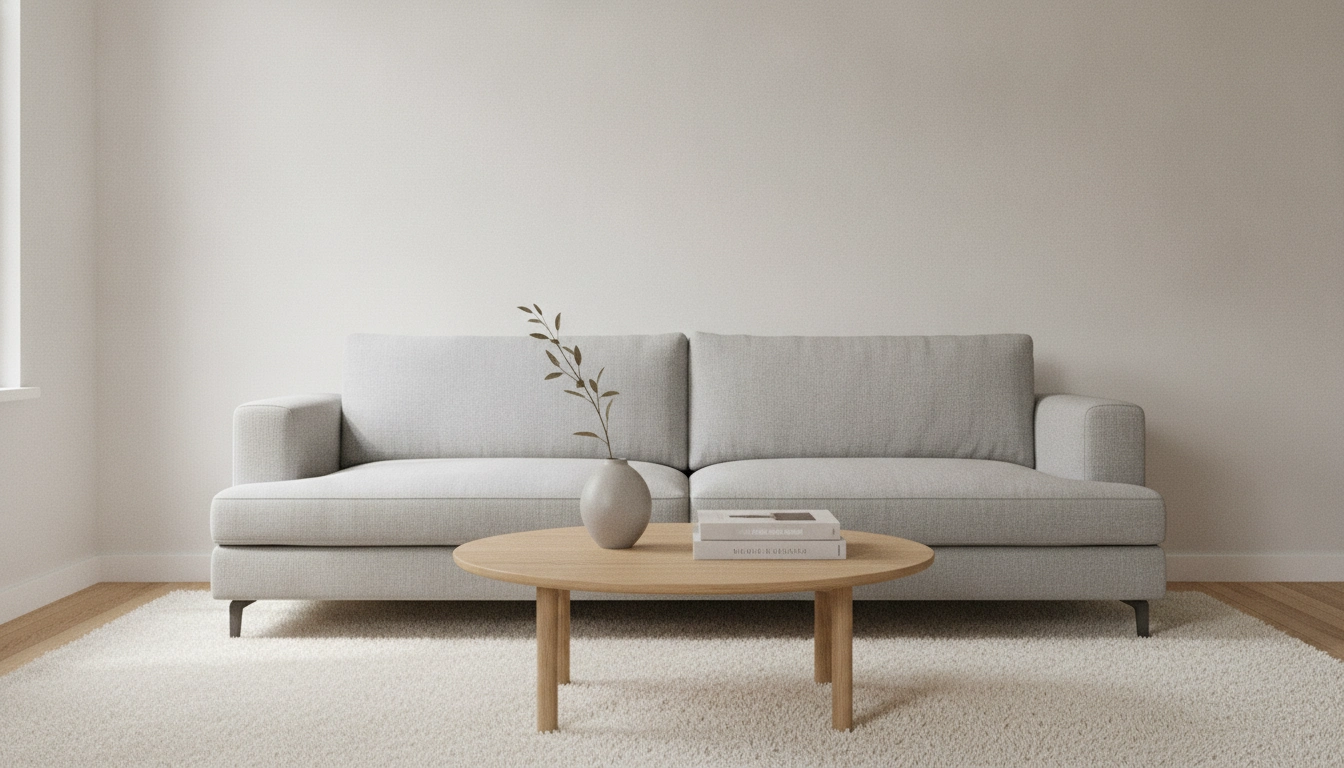
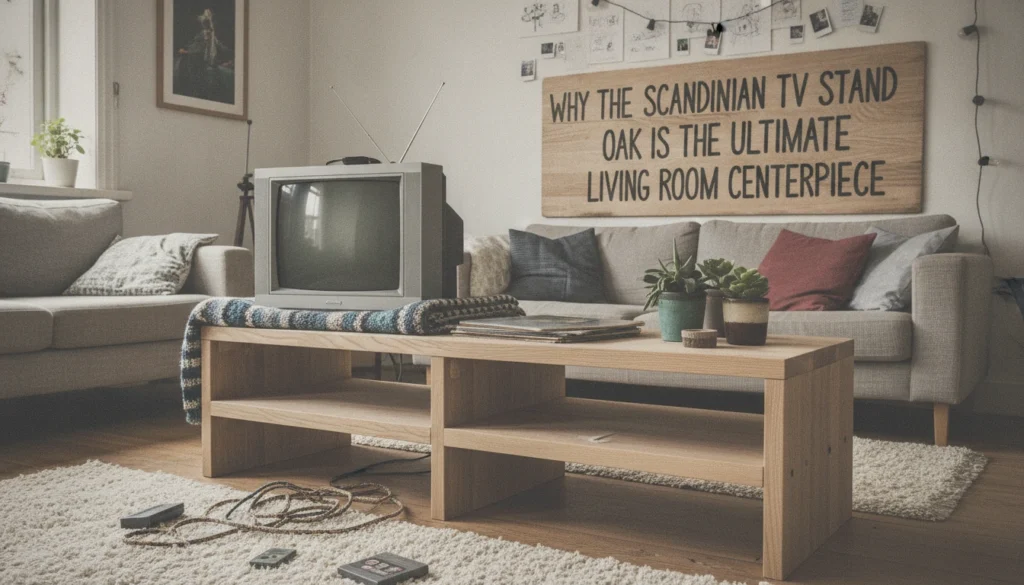
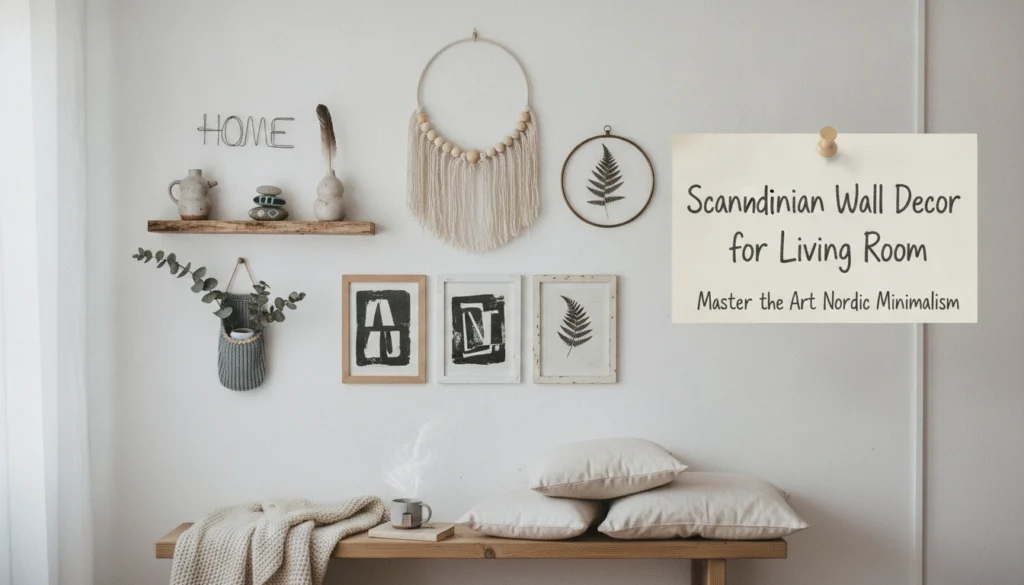
Start with a simple, neutral sofa. Add a low wooden coffee table in the center and a nice wool rug. Stop there. Just add a couple of ceramic vases, some books, and one great piece of art.
Creating a Peaceful Scandinavian Bedroom
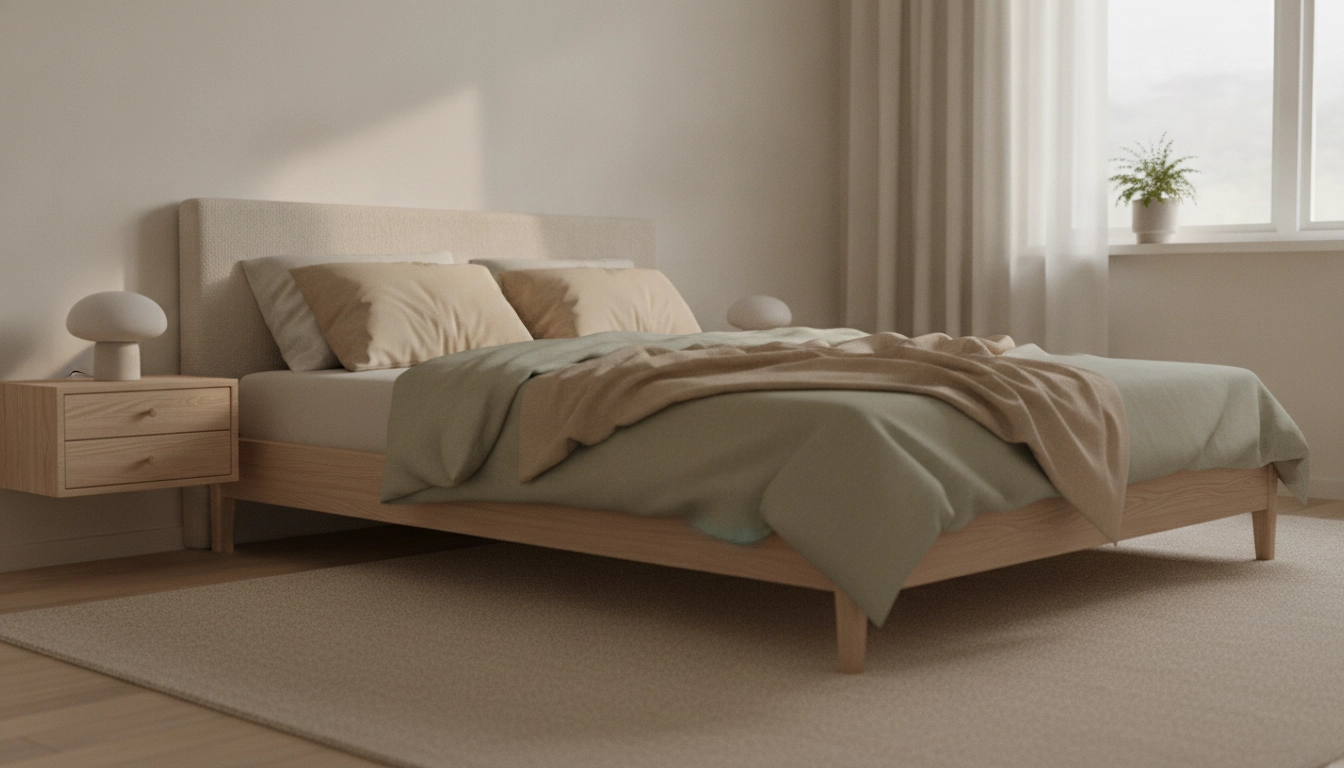
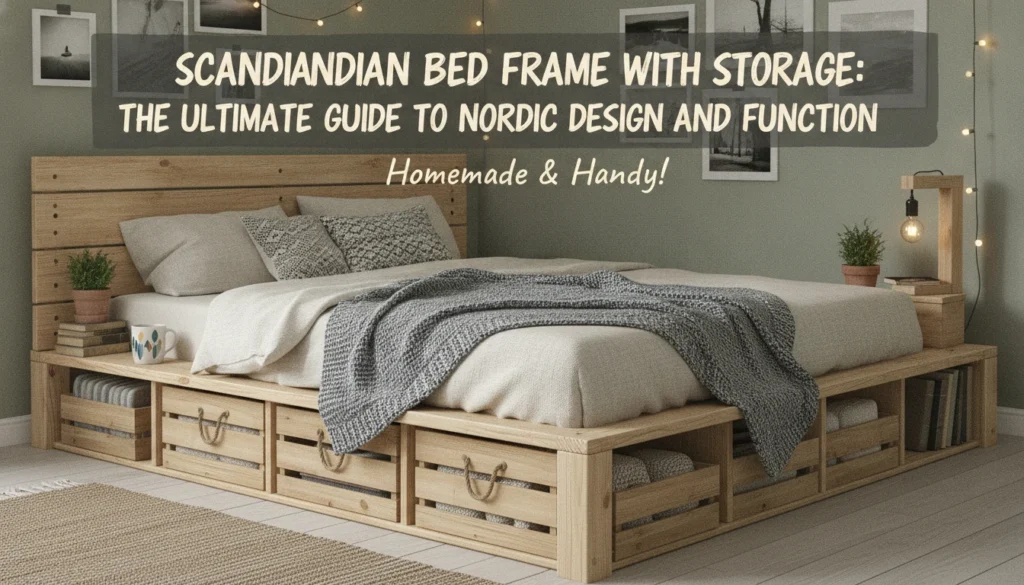
Your bedroom should be quiet. No clutter. Use linen sheets in soft, earthy colors. Keep furniture simple. A plain wooden bed frame and floating nightstands keep the floor clear. Add a single plant and soft lighting.
Practical Tips for Designing a Minimalist and Functional Space
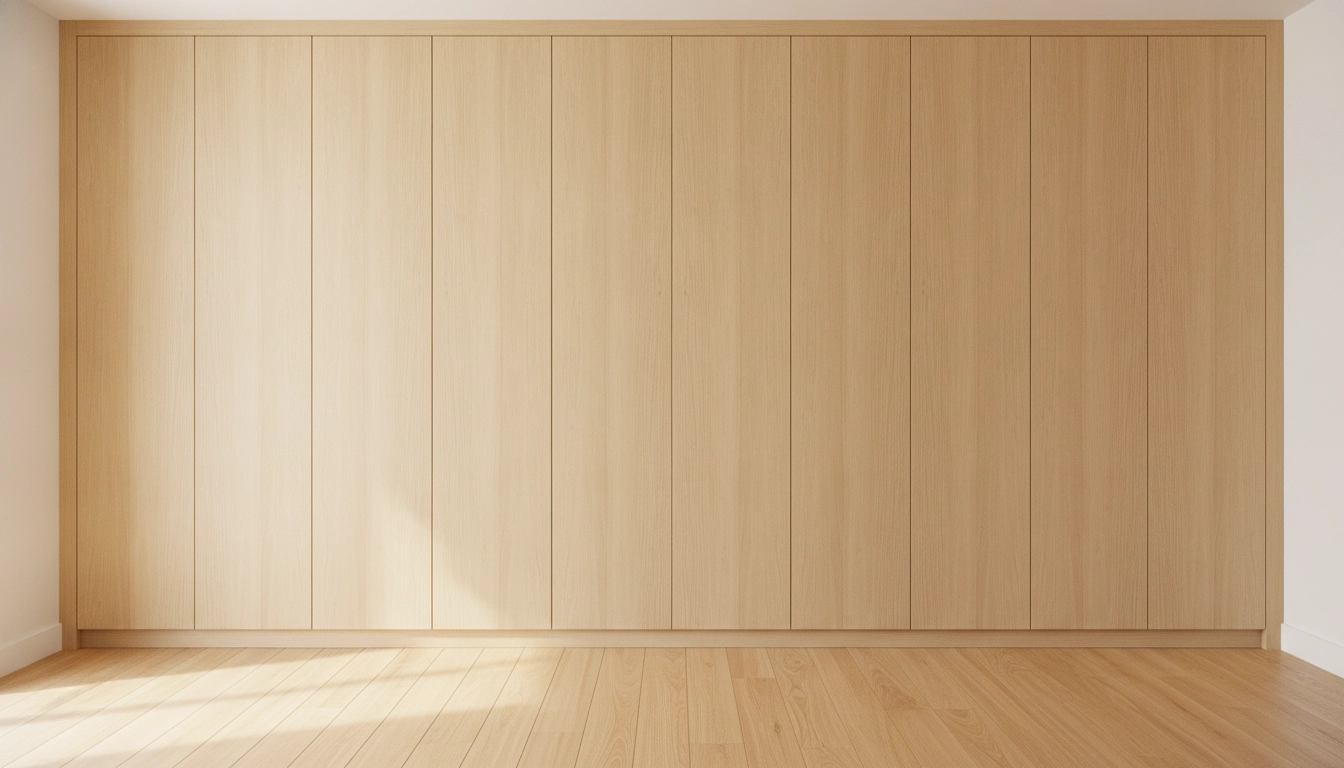
Be ruthless about what you buy. Try a one-in, one-out rule. If you buy a new vase, something else has to go. Use smart storage under your bed to hide daily mess. Let empty spaces exist.
How to Achieve the Scandi Look on a Budget
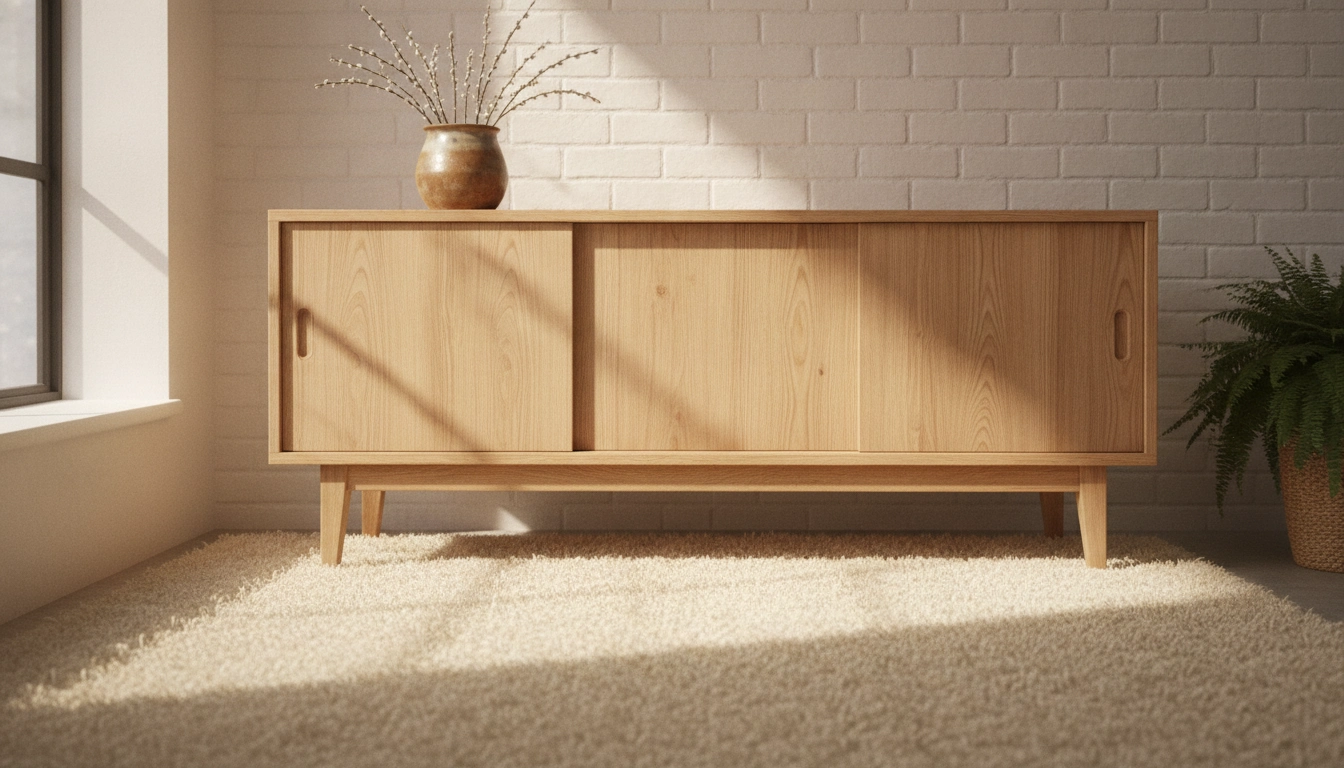
You don’t need a fortune. Clearing out junk is free and instantly makes your home look better. Buy secondhand wood furniture and sand it down. Thrift shops have great ceramic pots. Spend money on one high-quality wool rug.
Let us break down where your hard-earned money actually needs to go because spending a fortune on the wrong things is a tragedy.
My Take
Spend half your budget on one spectacular piece of furniture like a solid wood dining table. It anchors the whole room, and you can easily ‘thrift’ the rest of the accessories.
Conclusion: Embracing Scandinavian Interior Design
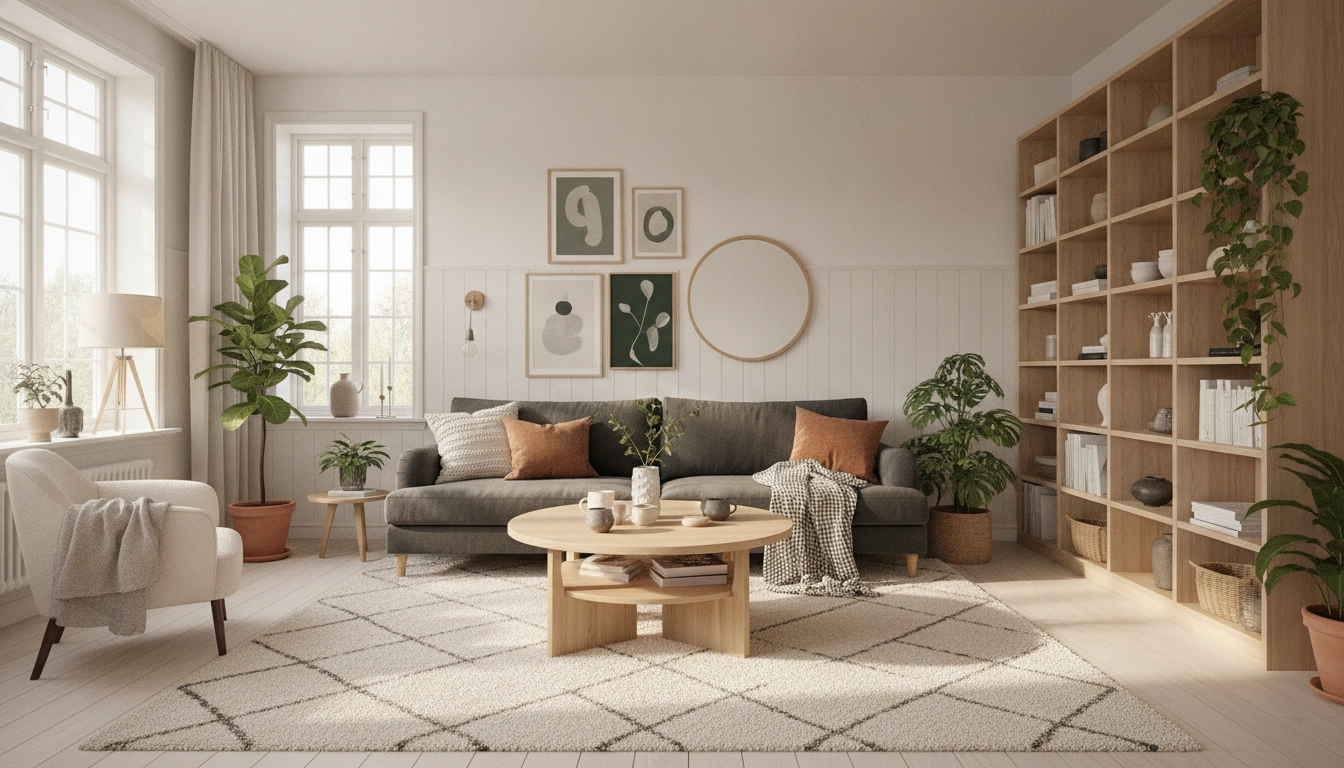
A Nordic home isn’t about cold perfection. It’s about finding that beautiful balance between texture and function. Invest in timeless pieces that bring you daily joy. Keep it simple and let the light in. What are you changing first?