
The Ultimate Guide to the “scandinavian wardrobe minimalist” Aesthetic
Most bedrooms look like plastic-wrapped shipping containers because people buy garbage that falls apart in two moves. Honestly sitting here looking at this photo of a client’s space and I’m just furious at how people treat furniture like disposable napkins. You want a real scandinavian wardrobe minimalist system? It’s not about some clean catalog photo. It is about how the wood moves when the heating kicks on in November. Wood is alive. If you don’t get that, you’re just buying expensive firewood.
If your drawers stick or the laminate starts peeling at the corners after six months, you didn’t save money. You wasted it. The whole point of this setup is that it disappears. It becomes the wall. It uses light-reflecting natural woods and flush panels that don’t catch on your clothes. That’s the real trick. Making something so structurally complex look like absolutely nothing at all.
What Is a scandinavian wardrobe minimalist System?
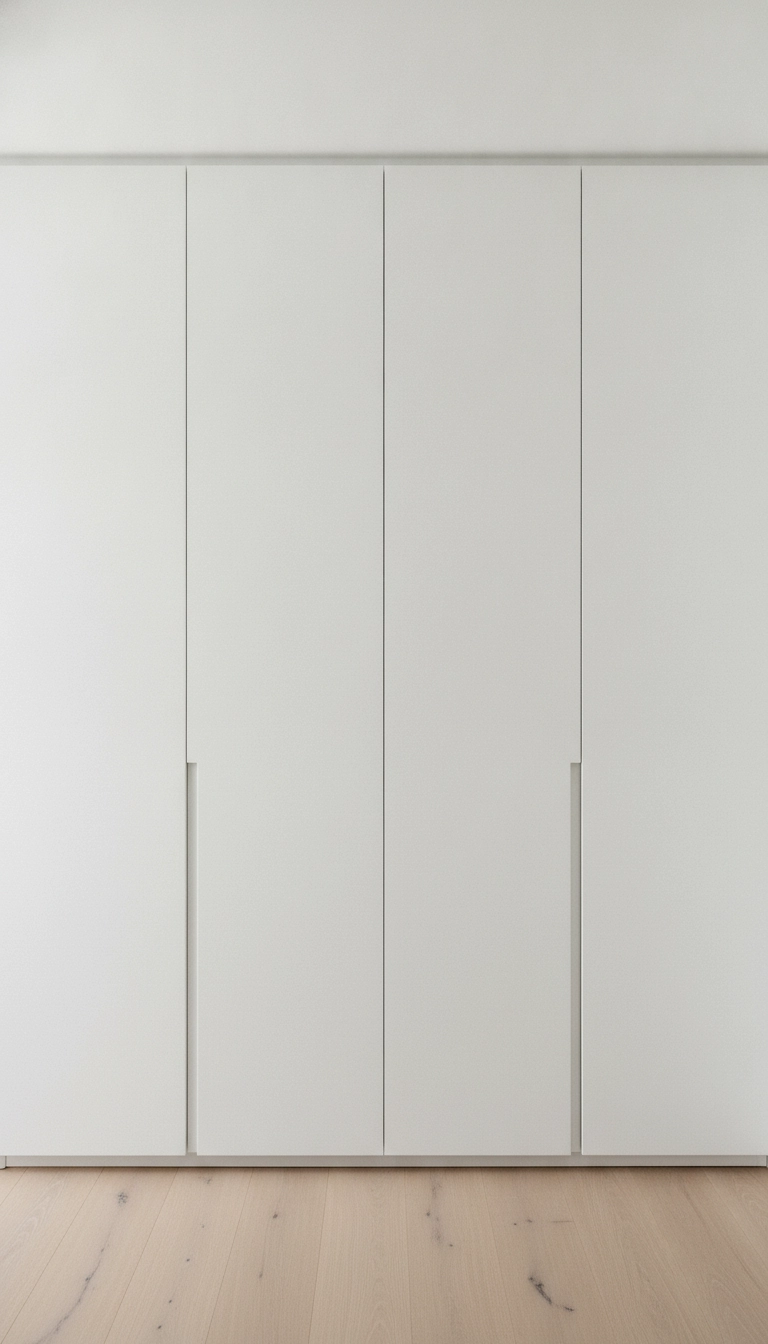
When I was over at Springfield Road in Bath looking at a project for Olivia Powell, we spent hours talking about plaster. If your wardrobe doesn’t sit exactly flush, the shadow lines ruin the entire illusion. This system isn’t just a box you buy and push against the wall. It’s an architectural intervention. It must extend from the floor straight to the ceiling. No gaps. No dust-collecting trim.
The doors should match the wall color or be light-absorbing timber. Frameless doors. When closed, they look like a solid panelled wall. It changes how you breathe in the room.
Core Principles Behind Scandi Minimalist Design
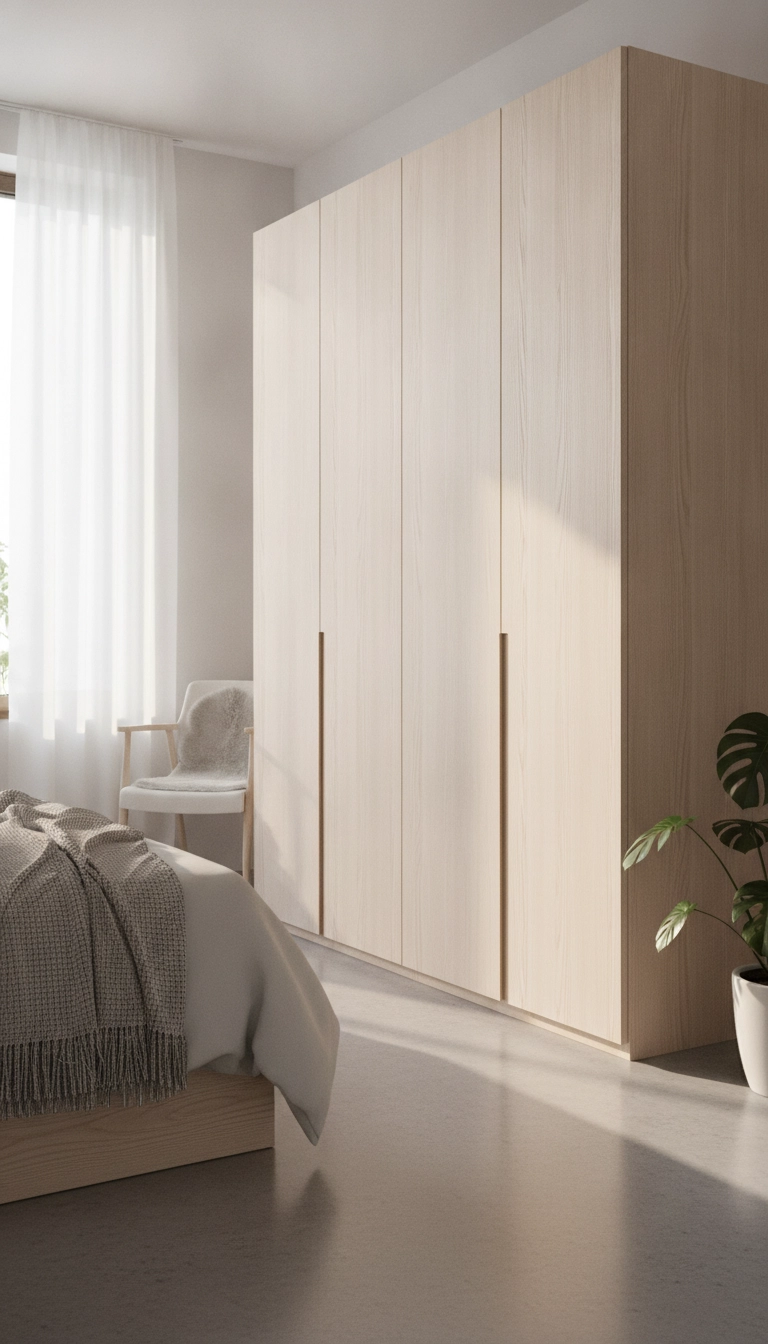
Nordic design is born out of a desperate need for light. When you live through winters where the sun sets at three, you design furniture that acts as a light reflector. That’s why we use pale woods. Ash. Maple. Solid pine.
The geometry has to be perfect. You can’t hide sloppy work when there’s no trim. Every single track, shelf, and bracket must be placed with absolute alignment. Silent efficiency. No noise.
The Power of Light
Scandinavian design relies heavily on light-toned woods like ash and birch because they naturally reflect ambient light, making northern European bedrooms feel larger and brighter during winter months.
Best Materials for Minimalist Scandinavian Wardrobes
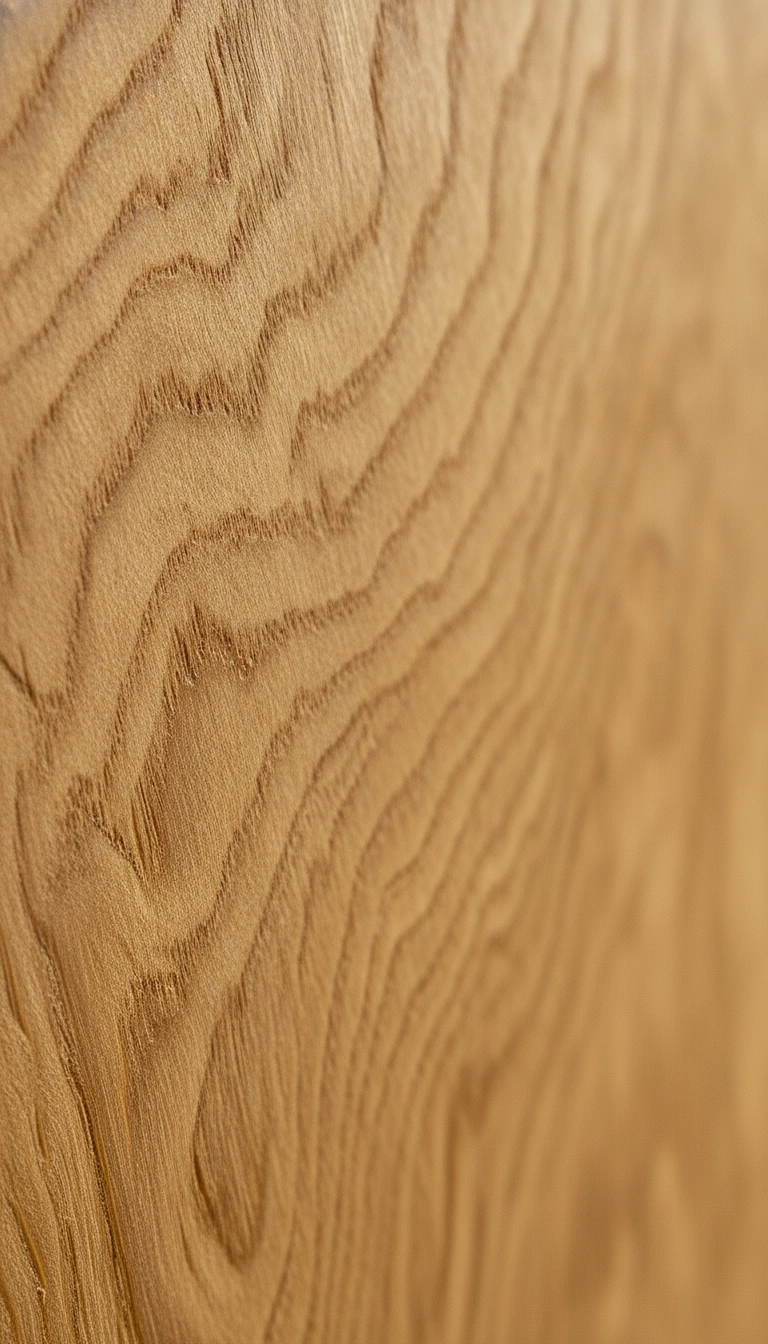
If you build this out of cheap fiberboard, the shelves will sag. Trust me. I’ve seen it a thousand times. You need solid hardwoods or high-grade birch plywood.
White oak and ash are the kings here. They have dense grain patterns that handle humidity without warping. Don’t ruin them with thick varnishes that make wood look like plastic. Use a breathable, light-tinted matte oil. It keeps the timber looking raw.
I have put together a quick comparison of how these premium materials stack up when you are planning your investment.
My Take
Always opt for solid white oak if your budget allows. Its dense grain structure behaves beautifully over decades, whereas cheaper alternatives will eventually betray you under the weight of heavy winter coats.
Color Palettes That Define the Scandi Wardrobe Look
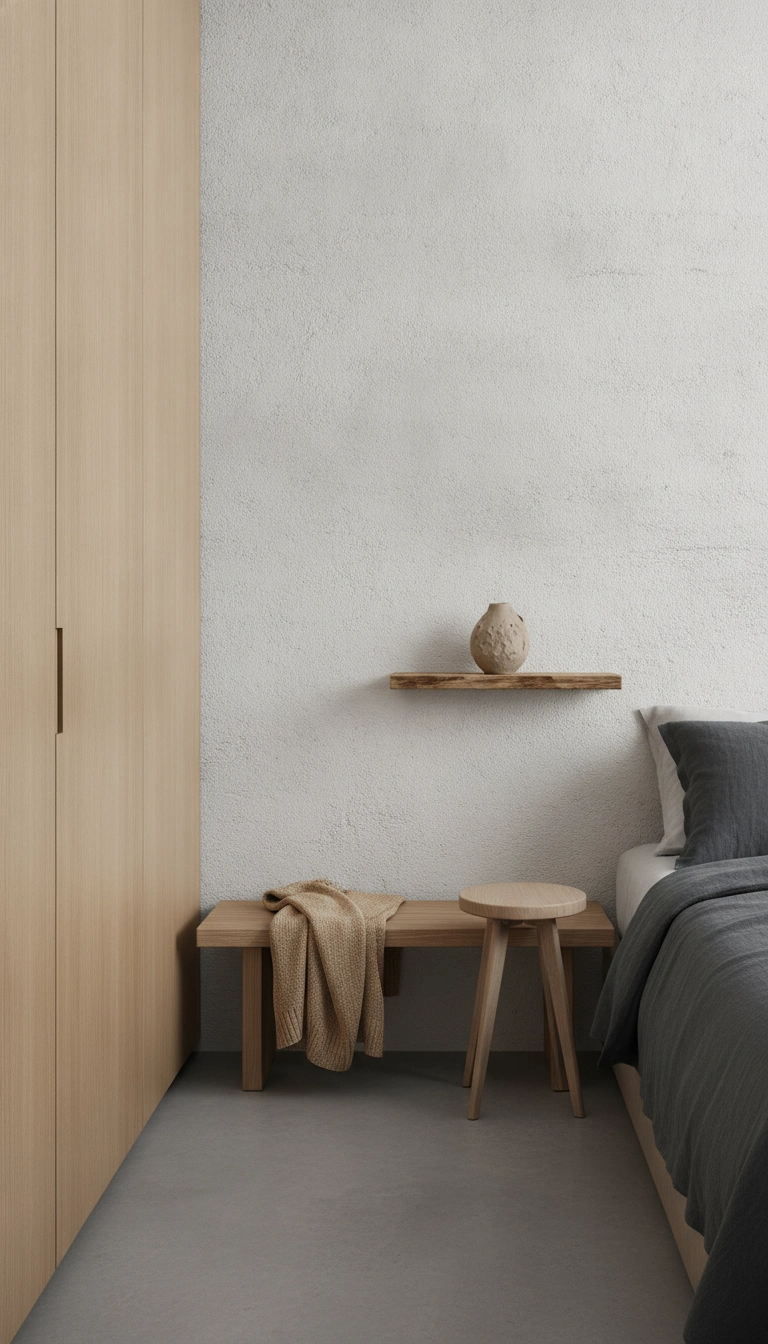
We want colors from the natural world. Chalky whites, soft limestone, wet sand, and the grey of Baltic sea cliffs. These tones bounce light in a soft, diffused way. Pair them with warm honey tones of oiled pine. It feels grounding.
Space-Saving Wardrobe Designs for Small Rooms
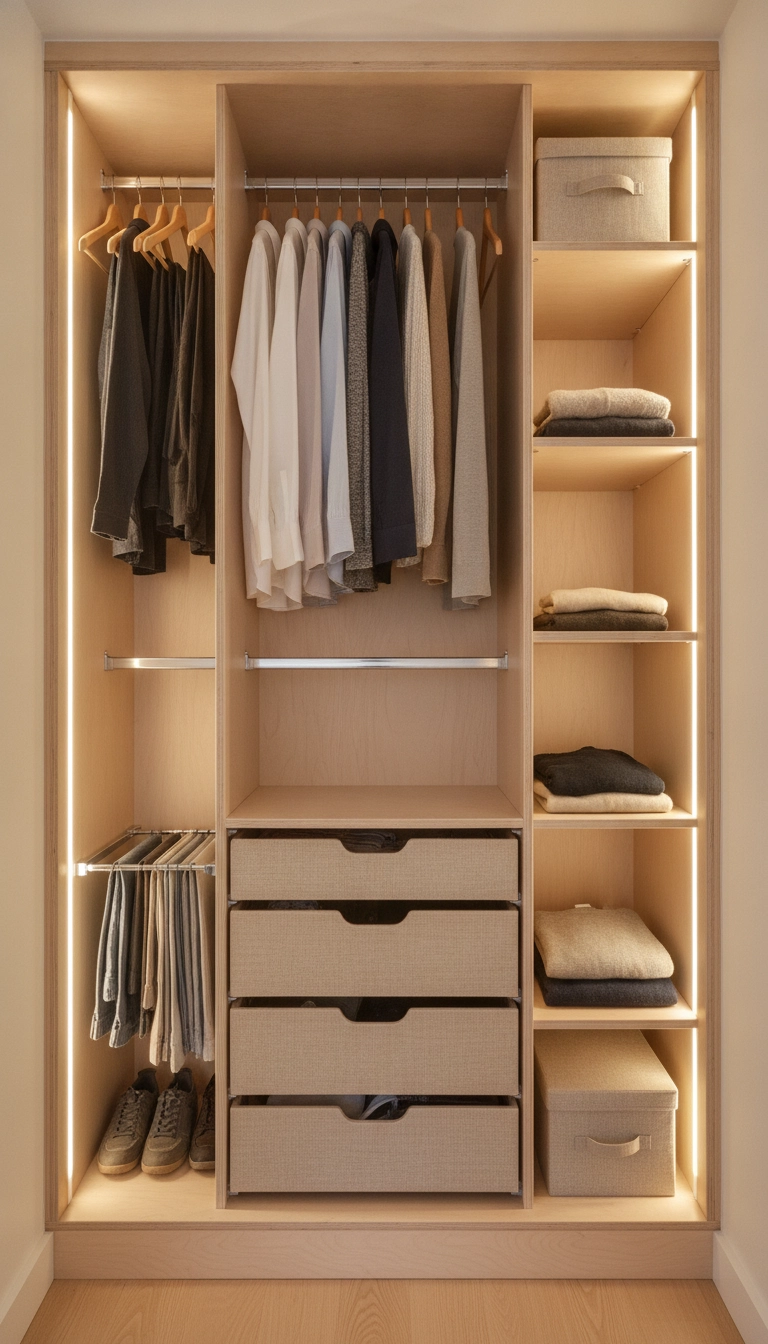
Small bedrooms are a nightmare with swing doors. You lose half your floor space just opening them. The secret is going vertical. Take the cabinets all the way to the ceiling joists. Use touch-latches instead of handles.
On the inside, get highly specific. Pull-out trousers racks, shallow drawers lined with linen, and double-height hanging rails. You squeeze every millimeter of storage out of the footprint.
Open vs. Closed Wardrobe Systems: Which Fits Scandi Style?
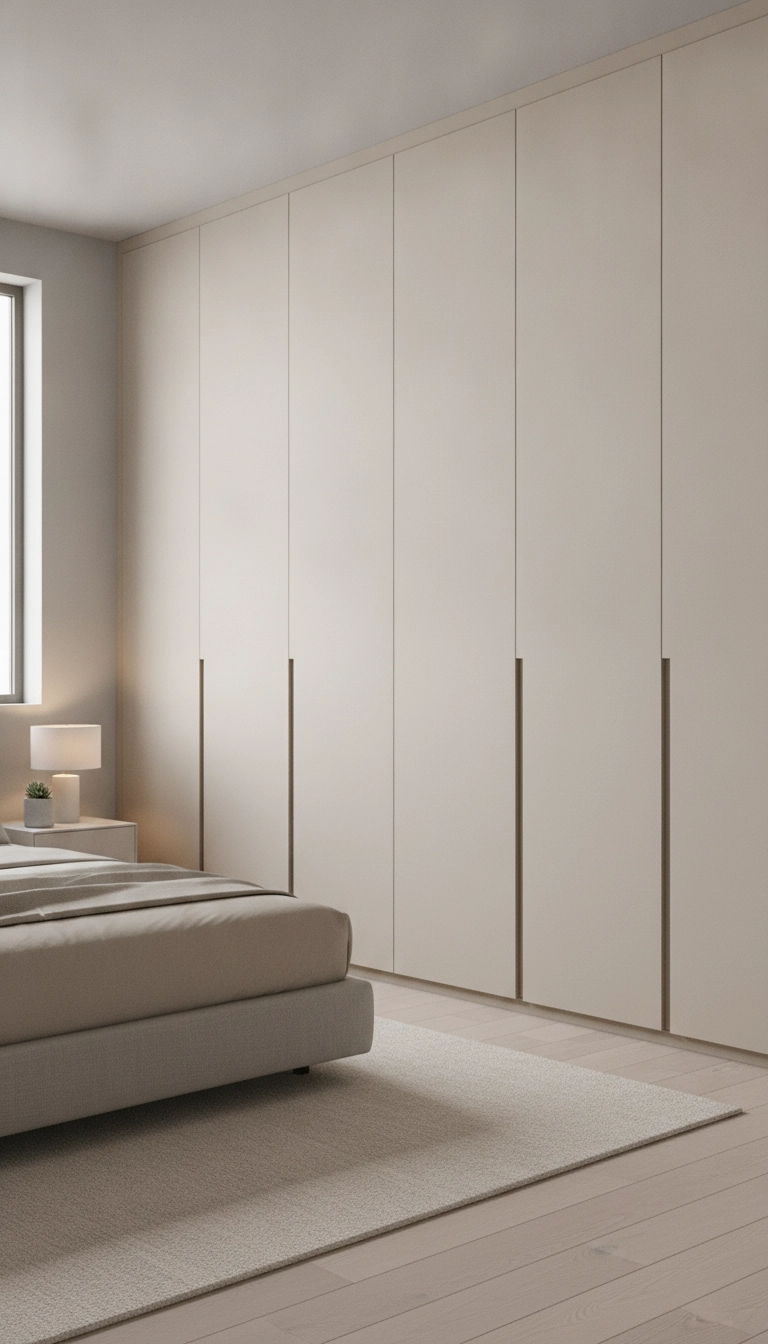
Open wardrobes are beautiful in photographs and a total disaster in real life. Dust gets on everything. It looks messy in twenty-four hours unless you fold your clothes with a ruler.
A closed wardrobe system with flush doors gives you the clean aesthetic of minimalism without the daily pressure. It hides the daily chaos.
Sliding Door vs. Hinged Door Wardrobes
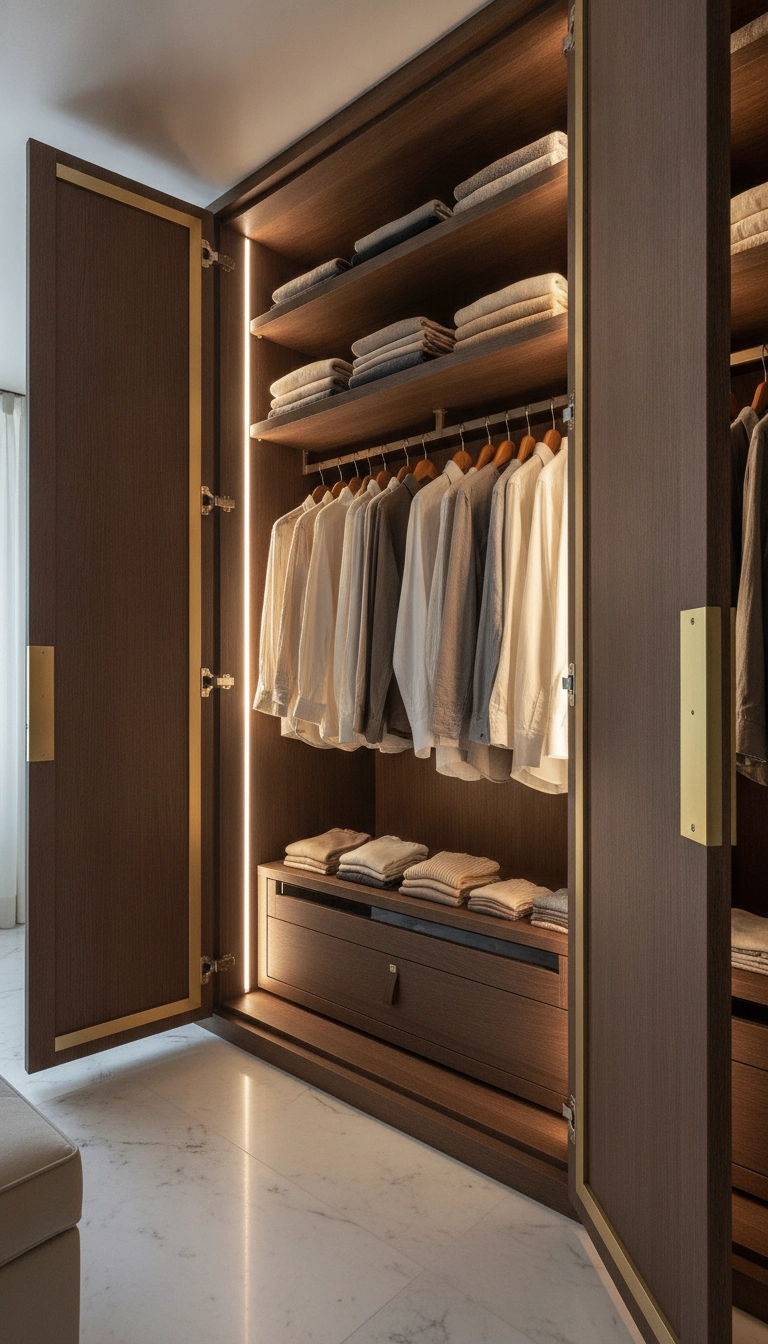
Sliding doors save space. But you can only see half your wardrobe at once. It drives me slightly insane. Hinged doors let you throw everything open and see the entire collection. It feels grand. But you need swing clearance. Invest in high-end European hinges like Blum. You want slow-close dampening.
How to Organize a Minimalist Wardrobe the Scandinavian Way
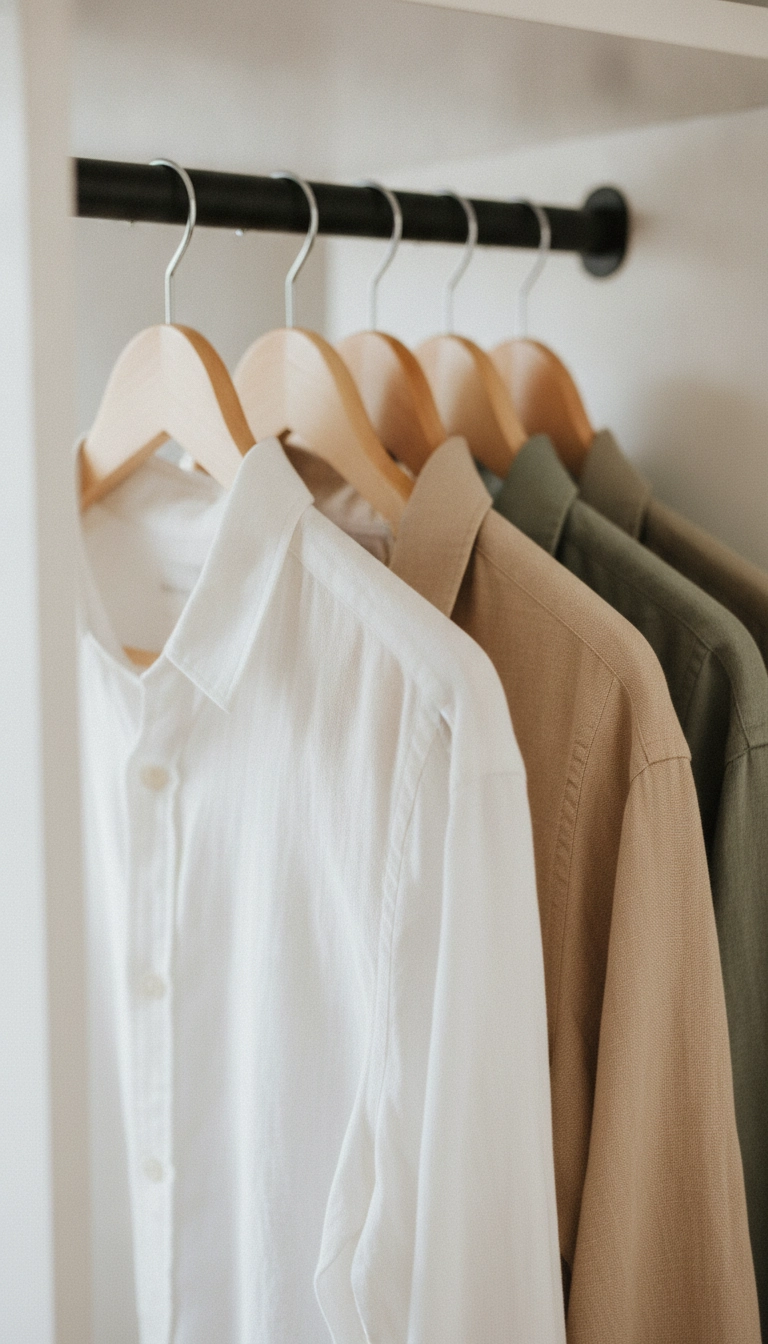
This is about editing. Group everything by category first, then by color tone. Ditch plastic hangers. They bend and look cheap. Use solid birch or beech hangers. It keeps the internal geometry clean and protects your fabrics.
Hanger Harmony
Replace mismatched plastic hangers with uniform wooden ones. This simple change instantly elevates the interior geometry of your wardrobe and prevents delicate fabrics from stretching.
To make this daily editing process second nature, I have mapped out a simple structural checklist for your morning routine.
My Take
Do not rush this process. Organizing your wardrobe is not just about tidiness; it is about respecting the geometry of the space you have built.
Best Scandinavian Wardrobe Brands and Where to Buy Them
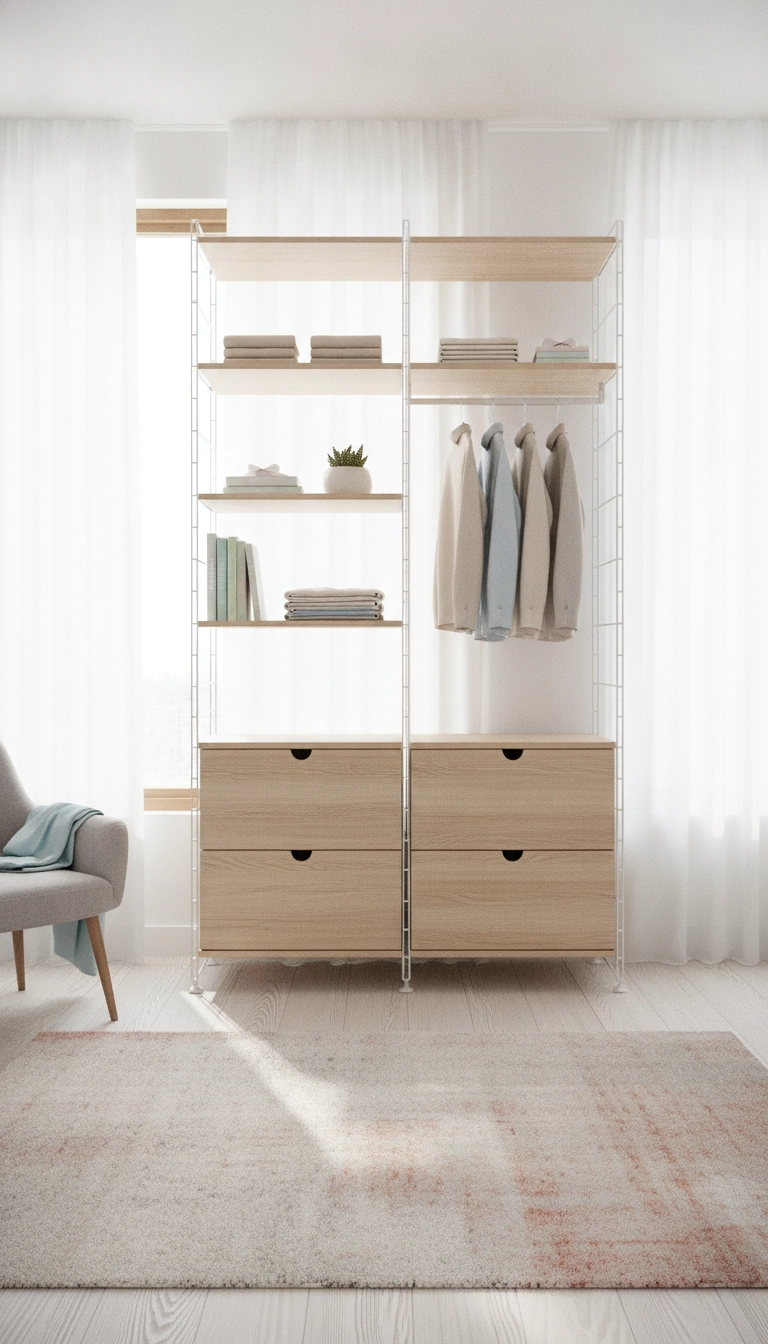
Muuto does beautiful work. Hay has smart modular systems that feel very architectural. String Furniture is a classic—their wire shelving systems are incredibly light. For heirloom quality, look for small Danish workshops that use mortise-and-tenon joinery and sustainably harvested European timber.
Budget-Friendly Alternatives to Designer Scandi Wardrobes
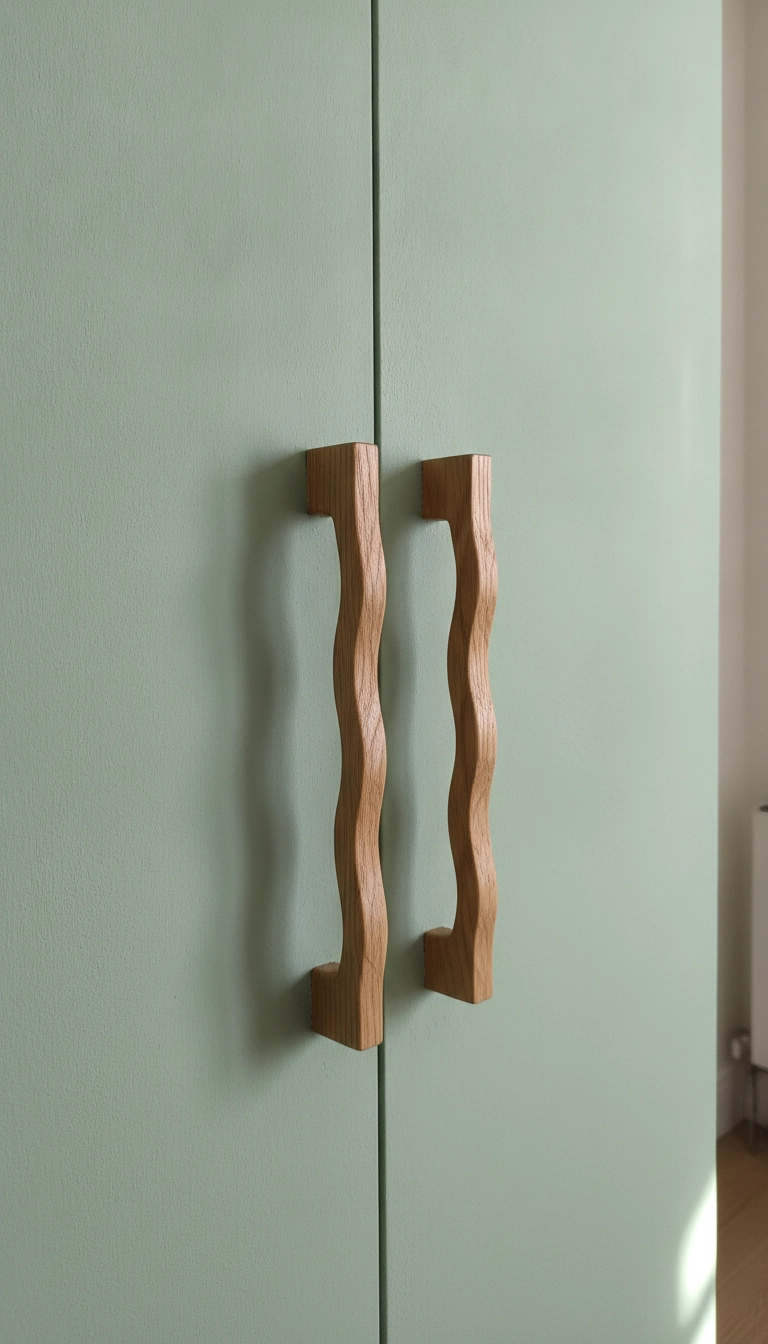
Buy basic, functional modular cabinet carcasses. Then, ignore their cheap doors. Find a local carpenter to cut doors out of birch plywood. Paint them in a flat matte chalk paint. Add handmade solid oak pull handles. You get a custom look for a fraction of the price.
Custom vs. Ready-Made Wardrobes: Pros and Cons
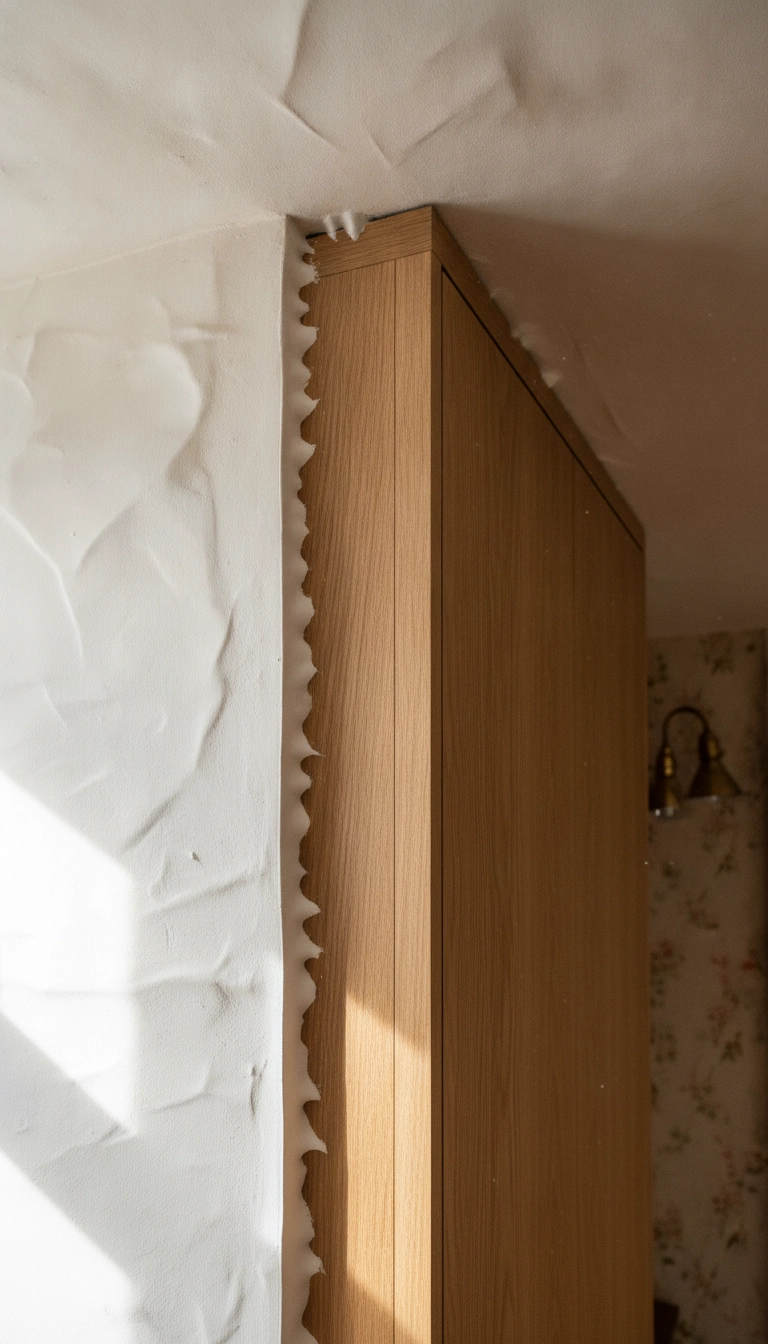
Standard flatpacks leave awkward gaps at the top and sides where dust goes to die. It looks unfinished. A custom wardrobe is built directly into your walls. Especially in older homes with wonky walls—like those near Olivia Powell’s place in Bath—nothing is straight.
Custom joinery scribes the wood directly to the uneven plaster. The lifespan is incomparably longer.
When you look at the raw numbers, the investment difference between custom work and cheap flatpacks becomes glaringly obvious.
My Take
A seventy-five year lifespan means your custom wardrobe becomes an architectural asset that outlasts your mortgage. Do not throw money away on temporary fixes that end up in a landfill.
Styling Tips: Pairing Your Wardrobe With Bedroom Decor
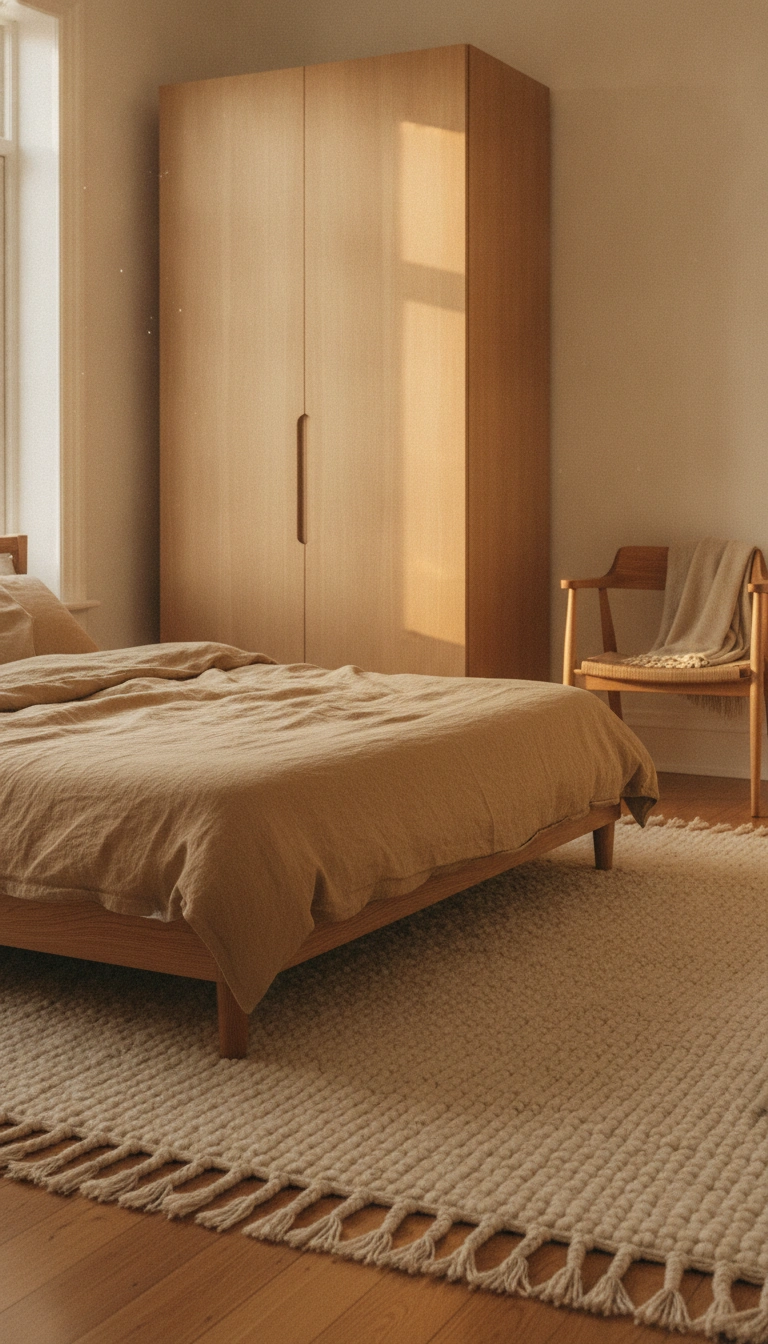
Don’t let the wardrobe sit in isolation. Connect it to the room’s textures. Pair smooth wooden surfaces with heavily textured organic textiles. Unwashed linen sheets, a chunky wool flatweave rug. Drop a simple, geometric oak chair nearby. It bridges the gap between flat wood and soft bedding.
Common Mistakes When Choosing a Minimalist Wardrobe
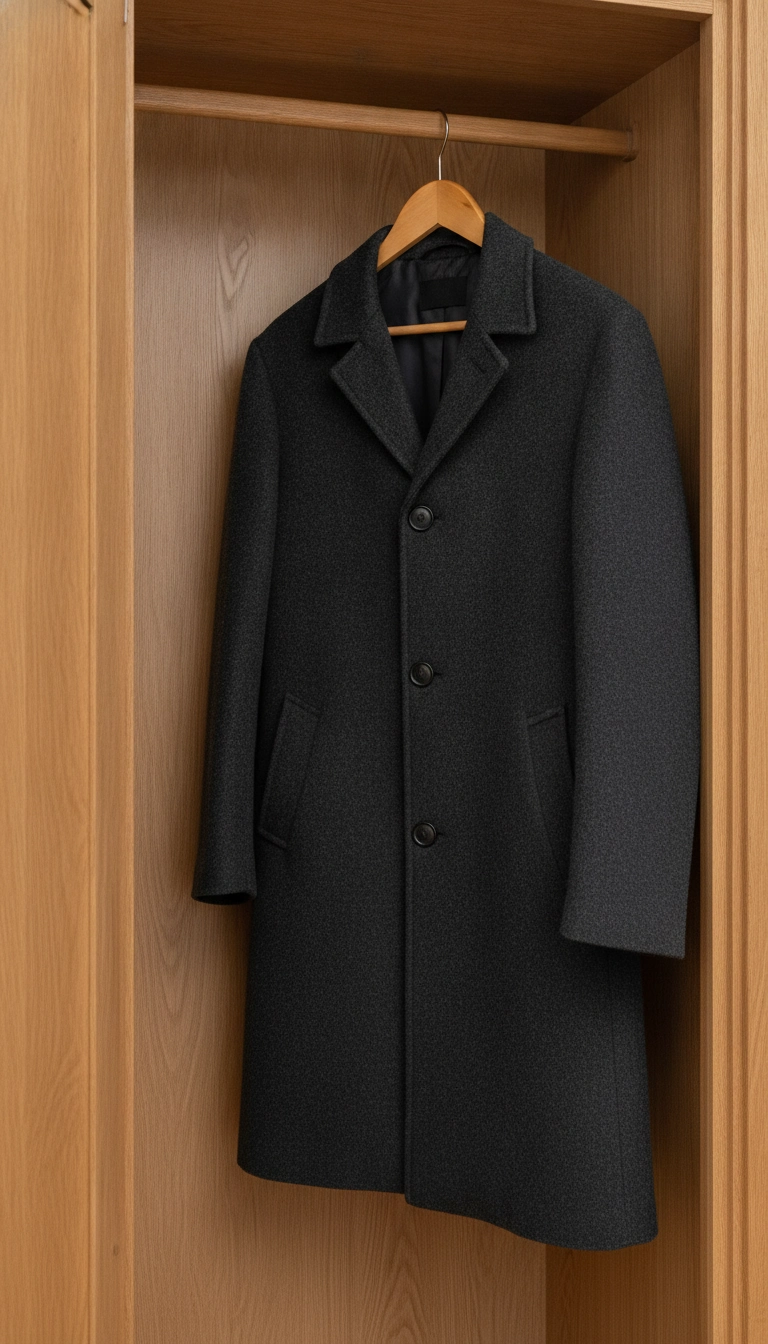
The biggest mistake is buying for the outside and ignoring the inside. Flimsy internal shelves will start bowing under the weight of three wool sweaters. Watch your depth. If your wardrobe isn’t sixty centimeters deep, your hangers will have to sit at an angle, creasing your clothes.
Depth Warning
Never buy a wardrobe with an internal depth of less than fifty-eight centimeters. Anything shallower will force your hangers to sit at an angle, causing clothes to crease and doors to catch on sleeves.
If your wardrobe is already causing you headaches, here is a quick troubleshooting guide to diagnose and fix the issue.
My Take
Most structural failures are entirely preventable if you measure twice and refuse to compromise on hardware. Do not let cheap runners ruin a beautiful facade.
Conclusion
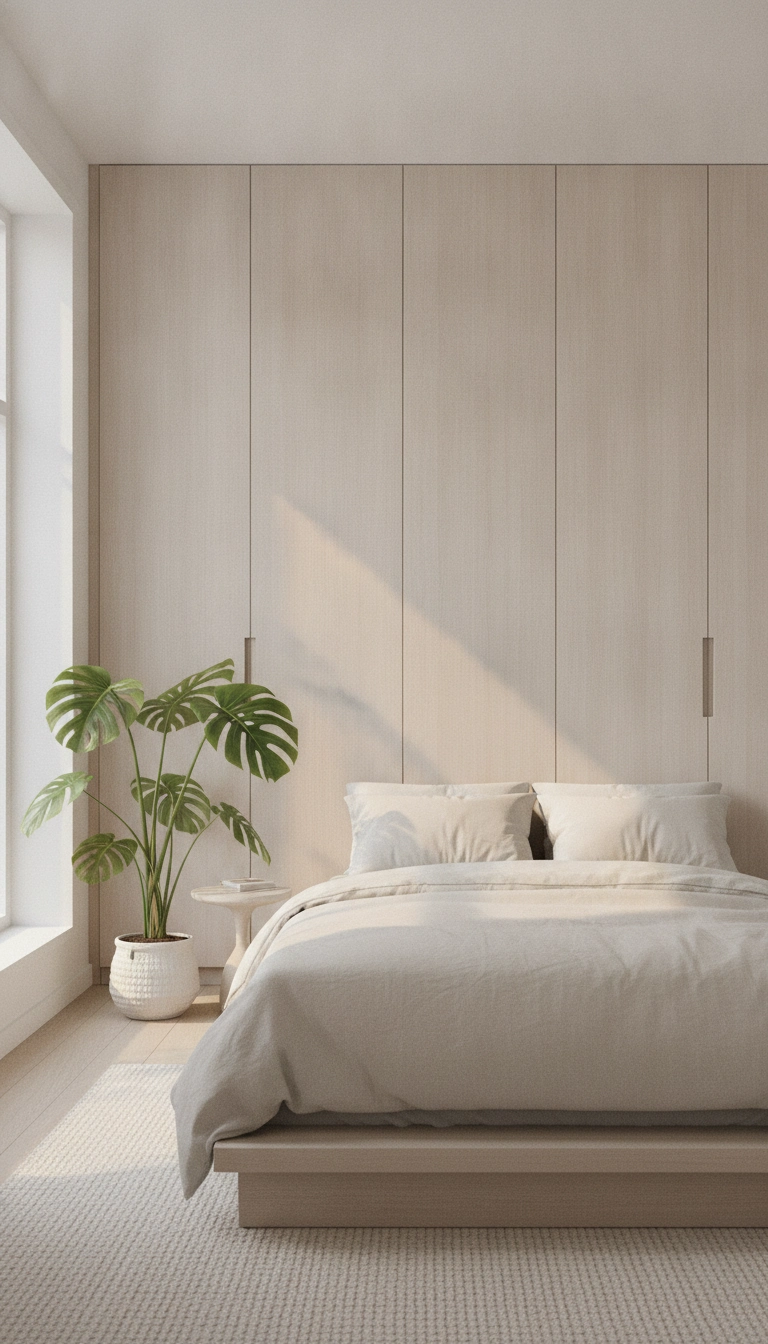
Look, spending money on a high-quality scandinavian wardrobe minimalist setup is a structural decision. It is an investment in your daily peace of mind. Focus on real materials, perfect geometry, and smart storage. Get the details right. Buy wood that has been treated with respect. Build it to fit your space perfectly.