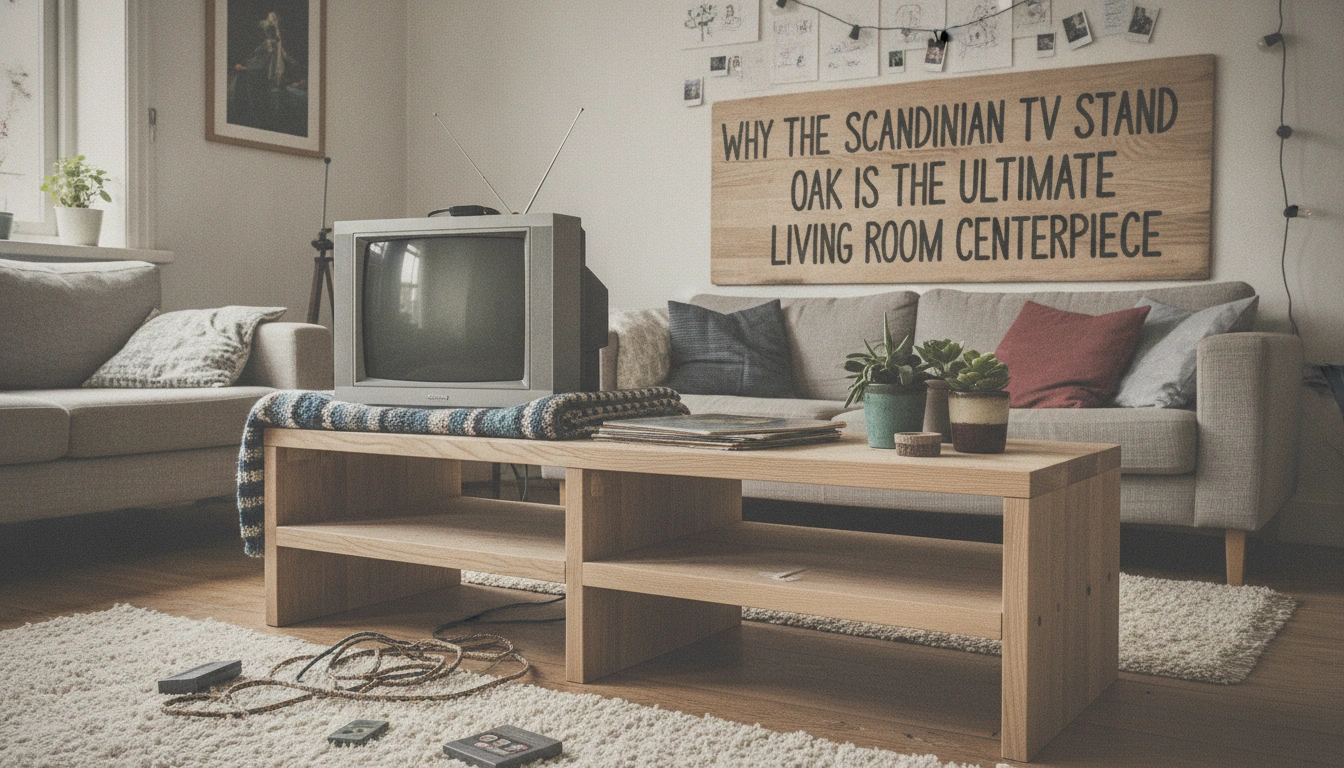
Why the Scandinavian TV Stand Oak Is the Ultimate Living Room Centerpiece
My phone screen is literally cracked right now but I have to write this because I just saw another five-thousand-dollar TV on a wobbly plastic stand that shook when a cat sneezed. It is a crazy fact that most people spend absolute fortunes on screens only to prop them up on cheap, sagging sawdust units. I was at a housewarming last night and felt sick looking at a gorgeous display sitting on what looked like damp cardboard. If you want your living space to actually hold together visually, you need real wood. Specifically, a solid scandinavian tv stand oak because the geometry of it just anchors everything. Sorry for the rant but it is true.
Look, choosing furniture isn’t about color-matching. It’s about structural sanity. Placing a heavy screen on a flimsy base is a complete disaster. A solid scandinavian tv stand oak offers the perfect blend of minimalist Nordic design and heavy-duty durability. It keeps the room balanced.
Understanding the Basics: What Is a Scandinavian TV Stand Oak?
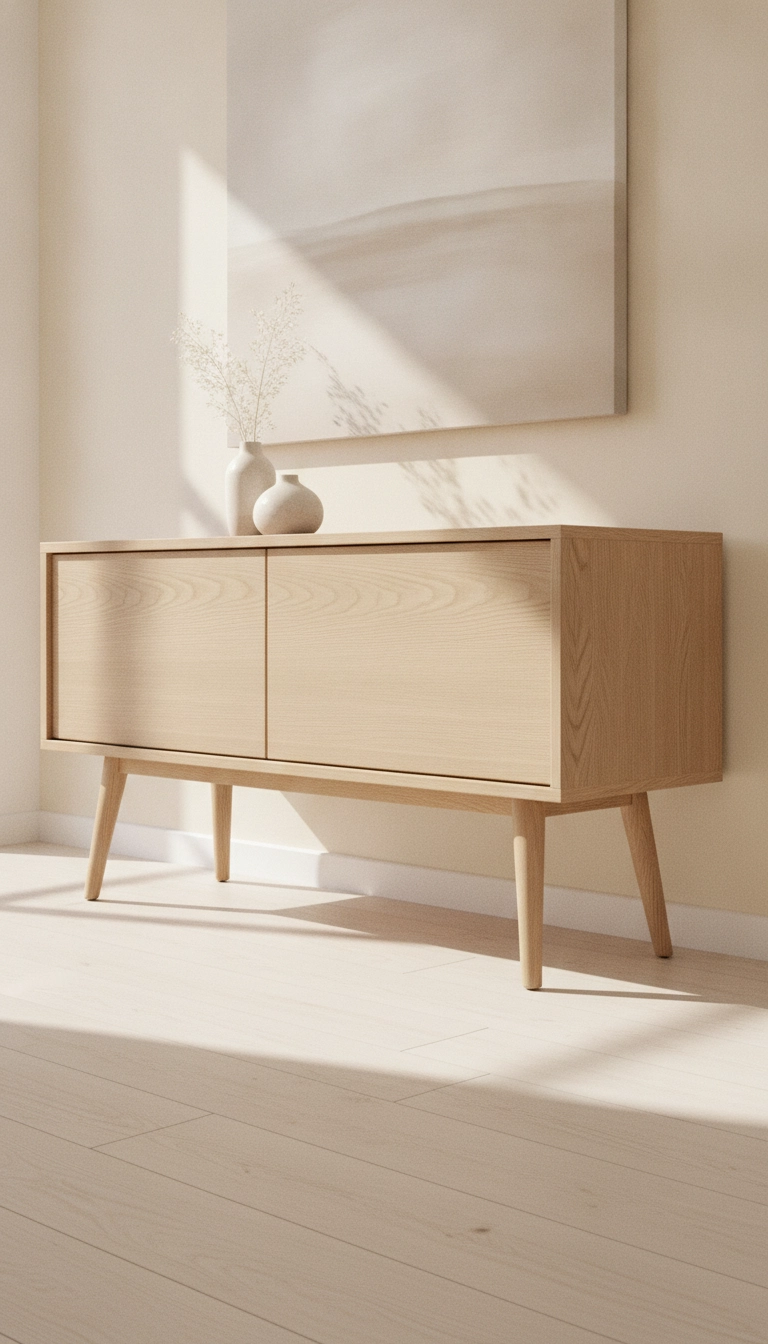
This isn’t complicated. It is basically a media console made from dense oak that uses clean lines and tapered legs to keep things looking light. It doesn’t scream for attention. That is the whole point.
Tapered legs raise the cabinet, making smaller rooms look larger. It feels airy. The oak brings an organic texture that softens all the cold, black glass of your TV screen, creating a calm atmosphere.
Why Oak Wood Is the Gold Standard for Scandinavian TV Stands
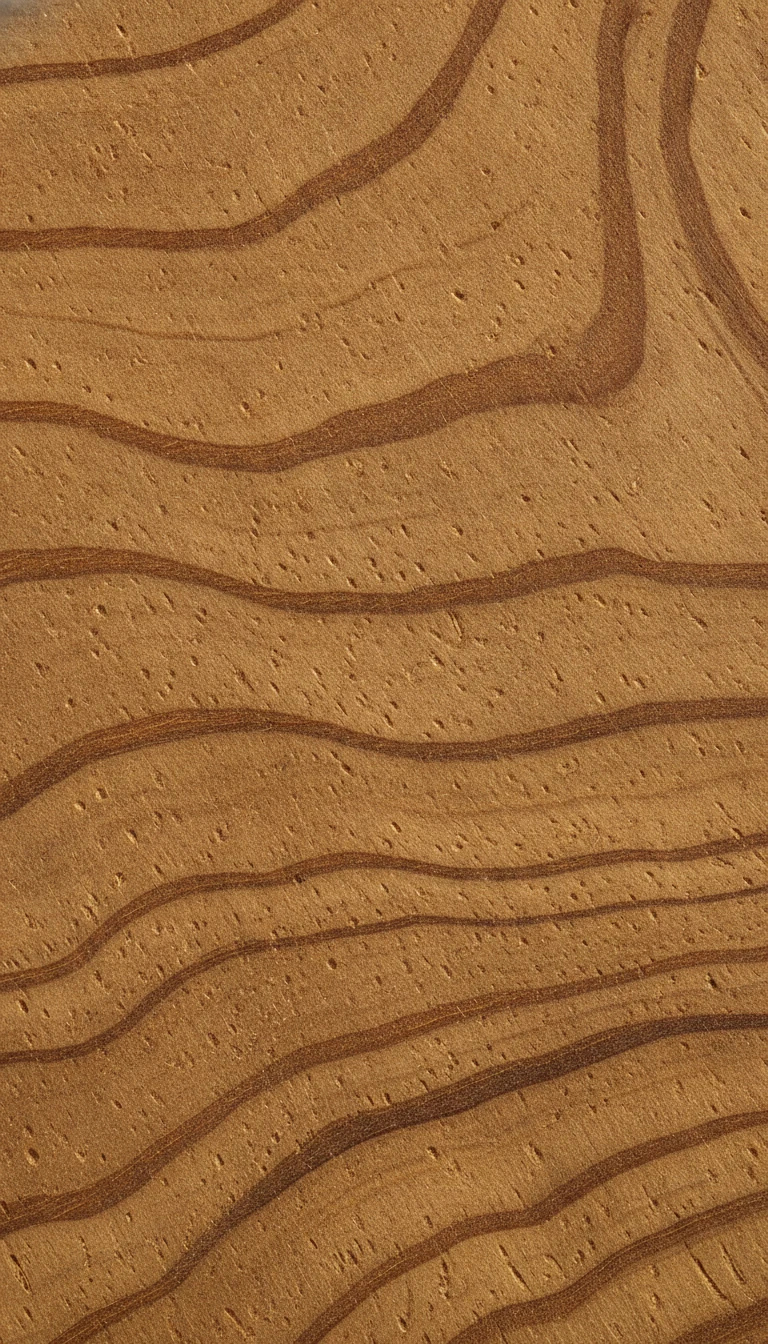
My associate, Tomothy Brooks, who designs coastal homes in Hervey Bay, recently noted that high humidity demands materials of uncompromising strength. Oak wood is the ultimate choice for this task due to its dense ring structure and natural resistance to warping. It handles heavy screens without sagging over time.
Evaluating the authentic wood build of solid oak reveals a tight grain that ages beautifully. Over the years, it develops a rich patina that tells a story of longevity and quiet sophistication.
The Strength of Oak
Oak wood has a high density of approximately 0.75 grams per cubic centimeter, making it highly resistant to scratches, dents, and structural warping over decades of use.
Solid Oak vs. Oak Veneer: What You Are Really Getting
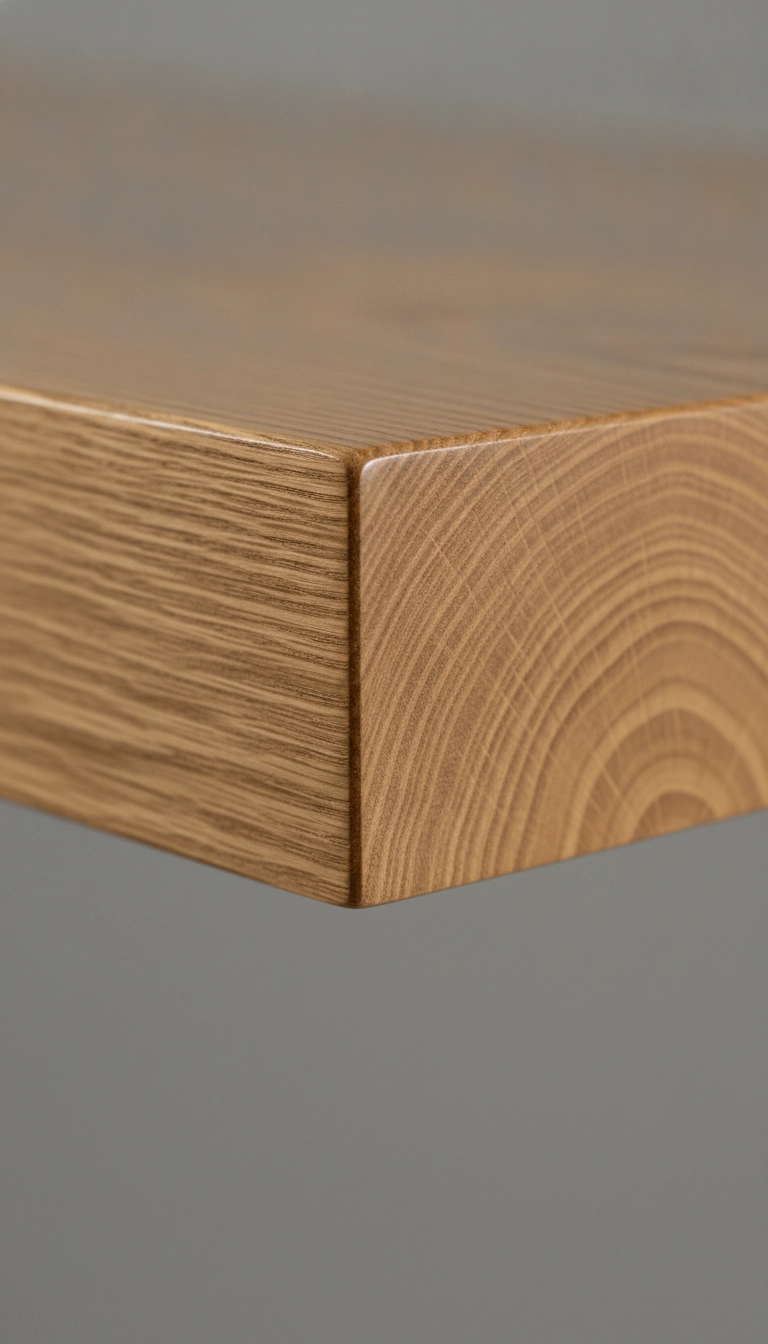
Understanding the difference between solid timber and veneer is crucial. Solid oak consists of complete wooden planks, offering unmatched durability and the ability to be sanded down and refinished multiple times. It is a lifetime commitment.
Oak veneer is a thin layer of genuine oak over fiberboard. While veneer resists expansion caused by humidity, solid oak remains the premier choice for those seeking heirloom-quality pieces. Both have their place.
To help you navigate the structural integrity of your next purchase, I have mapped out how solid timber compares directly to veneer across the metrics that actually dictate longevity.
My Take
If you view furniture as an architectural anchor for your home, solid timber is the only acceptable path. Veneer serves a temporary purpose, but solid oak holds its structural soul forever.
Design Features That Define Authentic Scandinavian Oak TV Stands
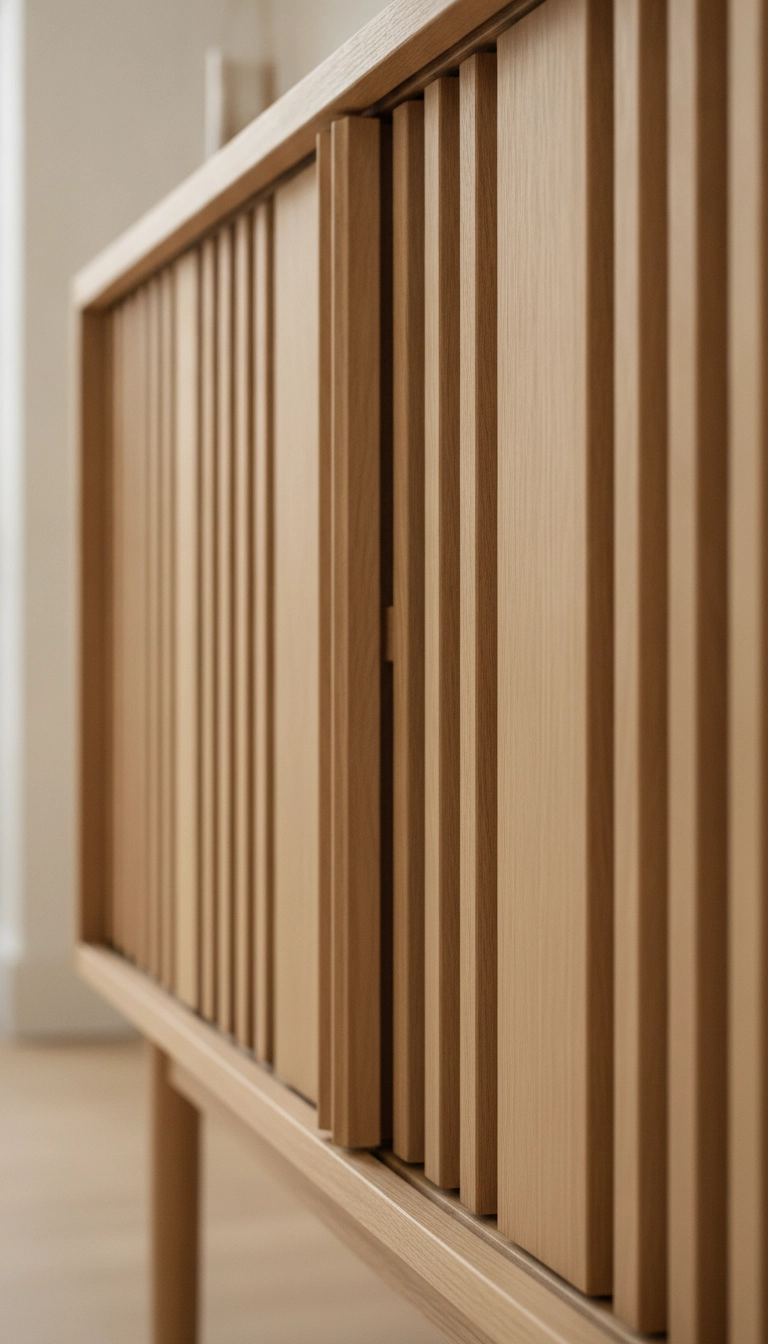
Nordic design relies on specific geometric principles. You will notice tapered legs that maximize visible floor space, making the room feel open. This elevated structure also allows for easy cleaning underneath.
Sliding slatted doors are another hallmark. They allow remote control signals to pass through while keeping messy electronics hidden. You can control media players without leaving doors open.
Integrated finger pulls replace metal handles. This maintains a clean silhouette that highlights the natural beauty of the timber. Every detail is designed to promote visual peace.
Dimensions, Placement, and Cable Management
Choosing the correct size requires careful measurement. Your stand should extend at least three inches beyond the sides of your TV screen on each side to maintain visual balance and prevent a top-heavy look.
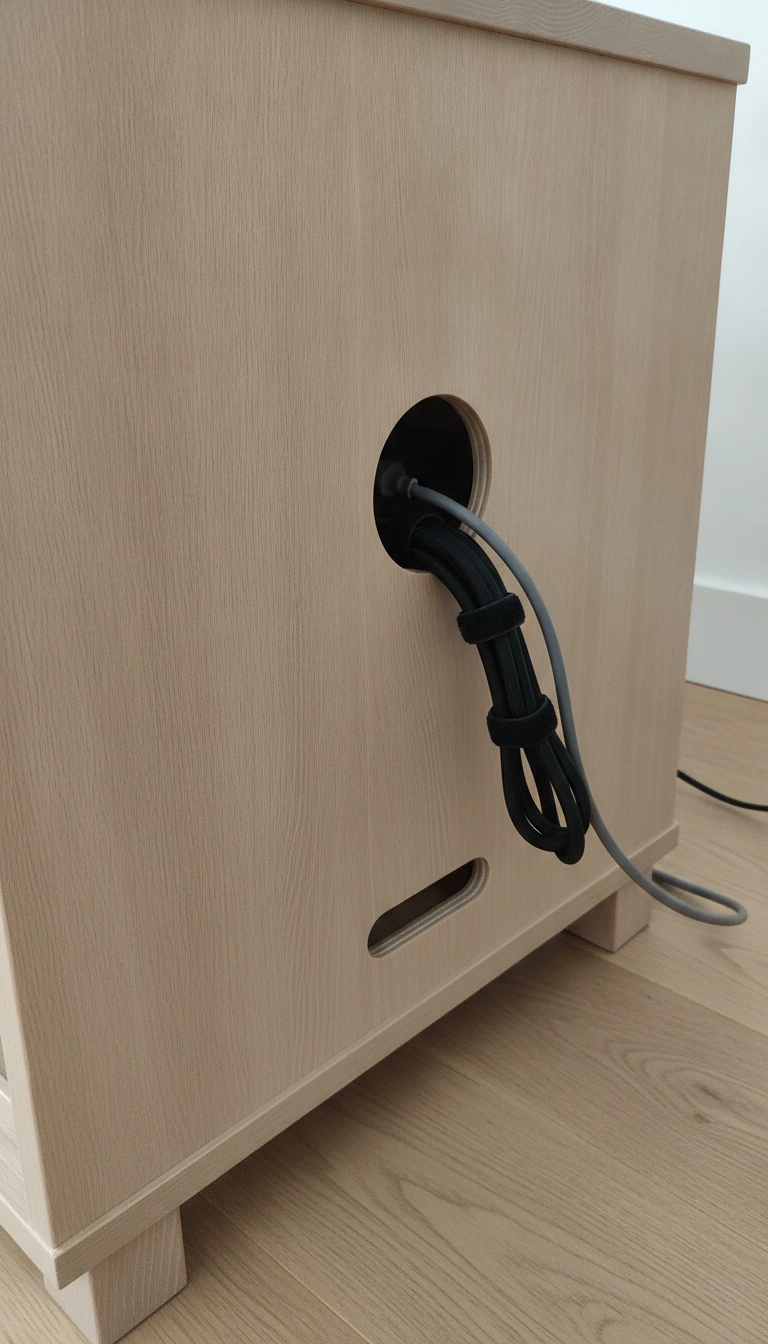
Furthermore, integrated cable management is essential. Look for pre-drilled back panels and internal routing channels that keep power strips and cords completely out of sight.
Proper placement also involves considering ergonomic viewing heights. A low-profile wooden console aligns the center of your screen with eye level when seated, which is perfect for comfort.
Let us look at the mathematics of visual balance, specifically how your screen size dictates the physical footprint of your console to avoid a top-heavy aesthetic disaster.
My Take
Never let your television overhang the edges of your media console. A minimum of three inches of breathing room on each side is non-negotiable for maintaining visual harmony.
Price Guide: Budget to Premium Oak Stand Options
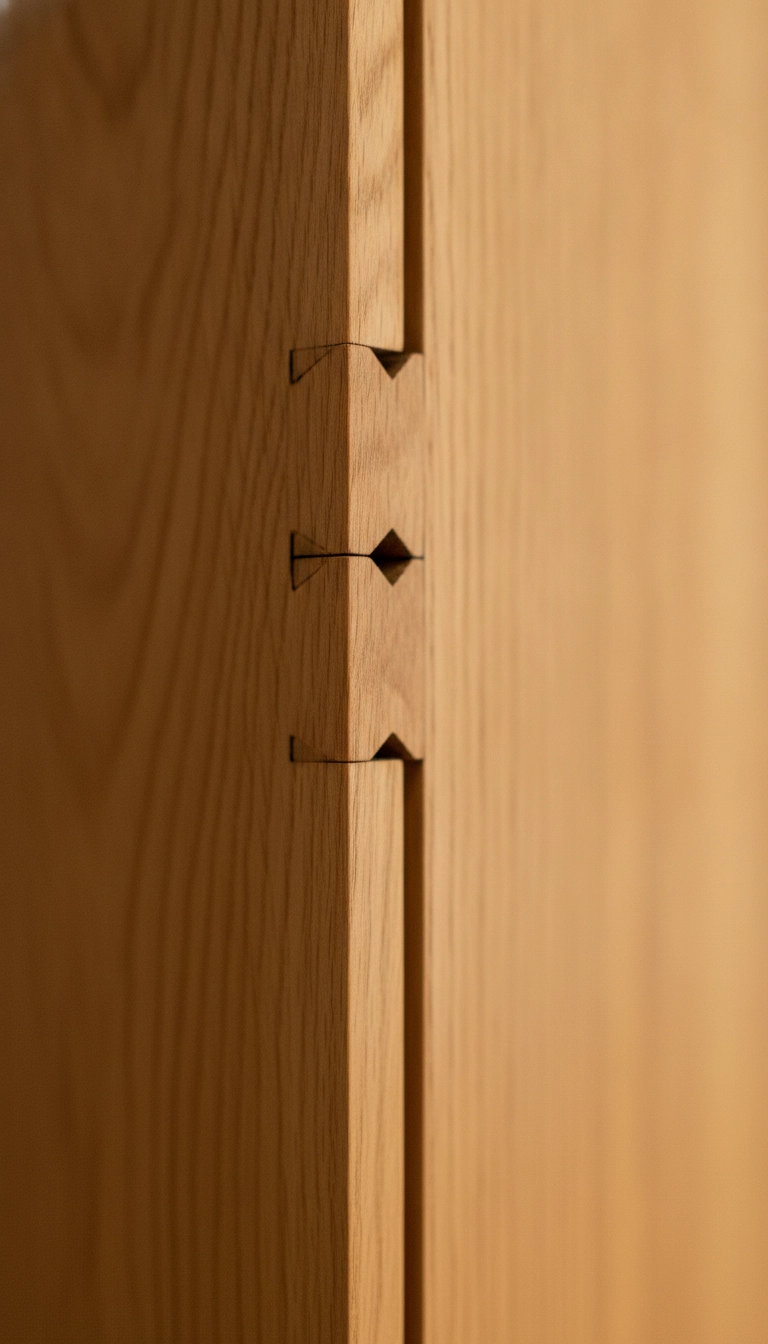
The cost varies based on construction, material sourcing, and build quality. Entry-level options utilize veneers, while mid-range models incorporate solid oak legs and face frames.
Premium investments feature solid wild oak, hand-finished joints, and custom soft-close hardware. These high-end models offer unparalleled durability and remain in your family for generations.
To give you a clear view of the financial landscape, I have broken down the average market investments required for each tier of craftsmanship.
My Take
While eight hundred and fifty dollars is a significant mid-range investment, it represents the sweet spot where structural integrity meets realistic budgeting for genuine solid wood.
Avoid Cheap Core Materials
Be cautious of low-priced stands utilizing low-density particleboard under thin laminate, as they will warp under the weight of a television within two years.
How to Style Your Oak TV Stand in the Living Room
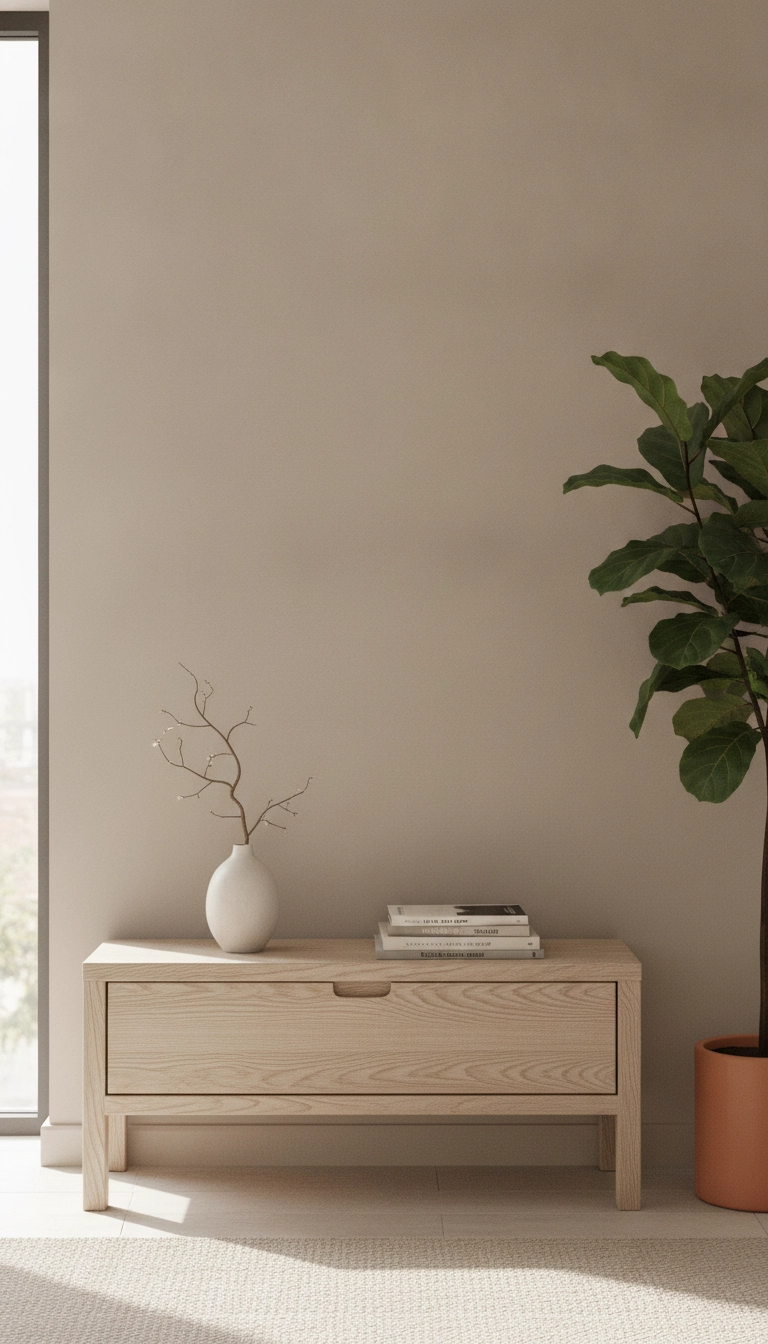
To style your console, link organic textiles to the comfortable seating nearby. Place a soft wool rug under the sofa to balance the hard wooden textures of the stand.
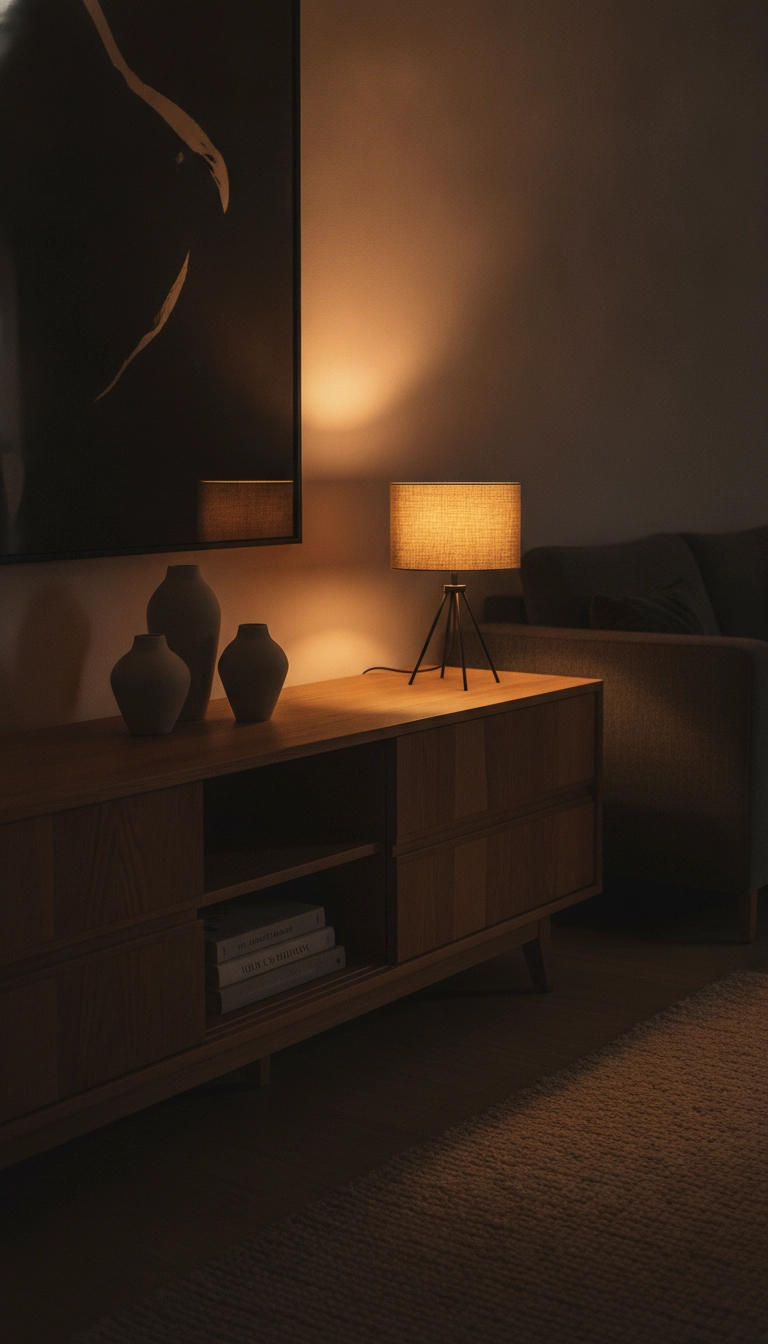
Keep the surface relatively clear. Arrange a small stack of books, a single ceramic bowl, and a table lamp. This negative space lets the oak grain remain the focal point.
Introduce elements of different heights. Placing a tall indoor plant next to the media console helps soften the sharp lines of the television screen.
Durability & Maintenance: Keeping Your Oak TV Stand Looking New
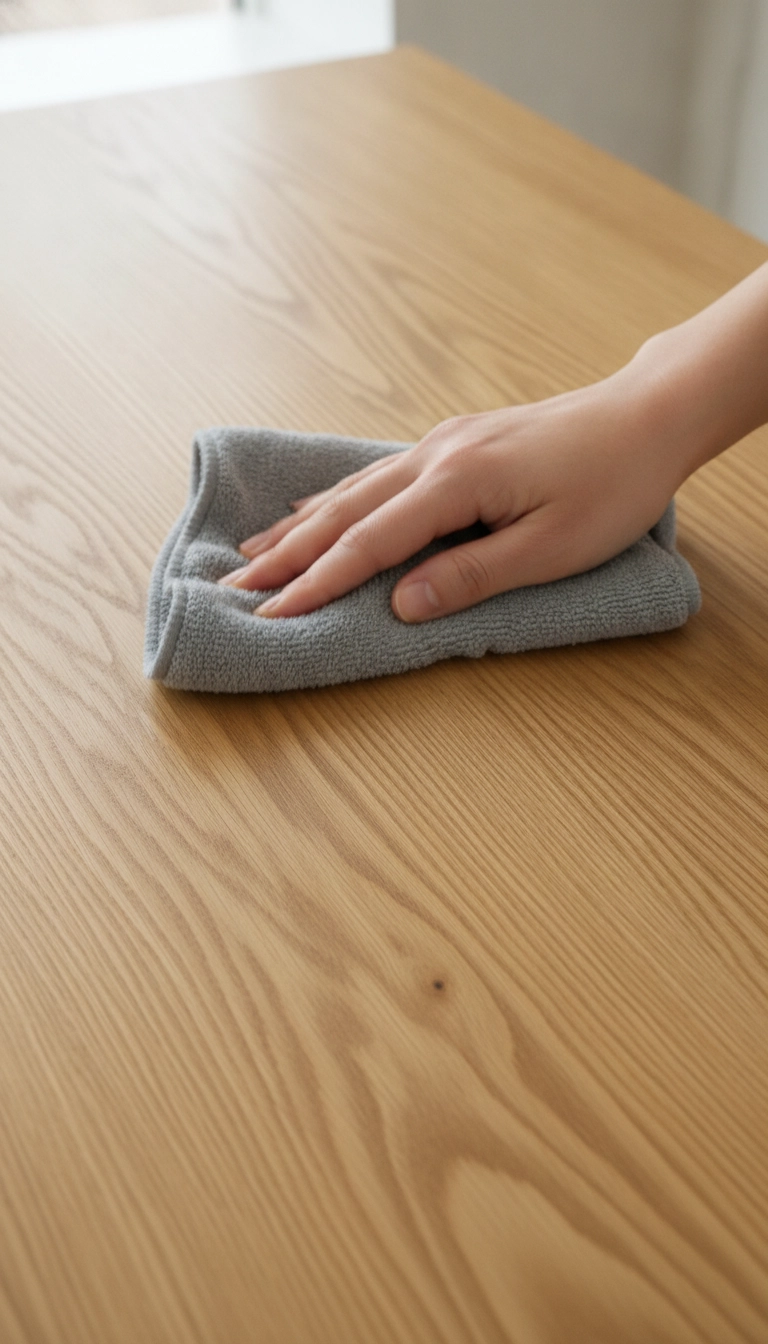
Maintaining your oak furniture requires minimal but consistent care. Dust the surface weekly with a dry microfiber cloth, wiping in the direction of the grain to prevent scratches.
Avoid direct sunlight or heating vents. Extreme temperature changes cause the wood to dry out and split. Protecting the timber from environmental shifts is key.
For oiled finishes, applying wood wax once a year preserves the moisture barrier and enhances the golden hues of the timber.
To keep your investment looking pristine over the decades, here is a quick reference matrix for managing common environmental challenges.
My Take
Think of wood maintenance as a seasonal ritual. A simple wax application once a year is a small price to pay for preserving a masterpiece.
Making the Right Choice for Your Home
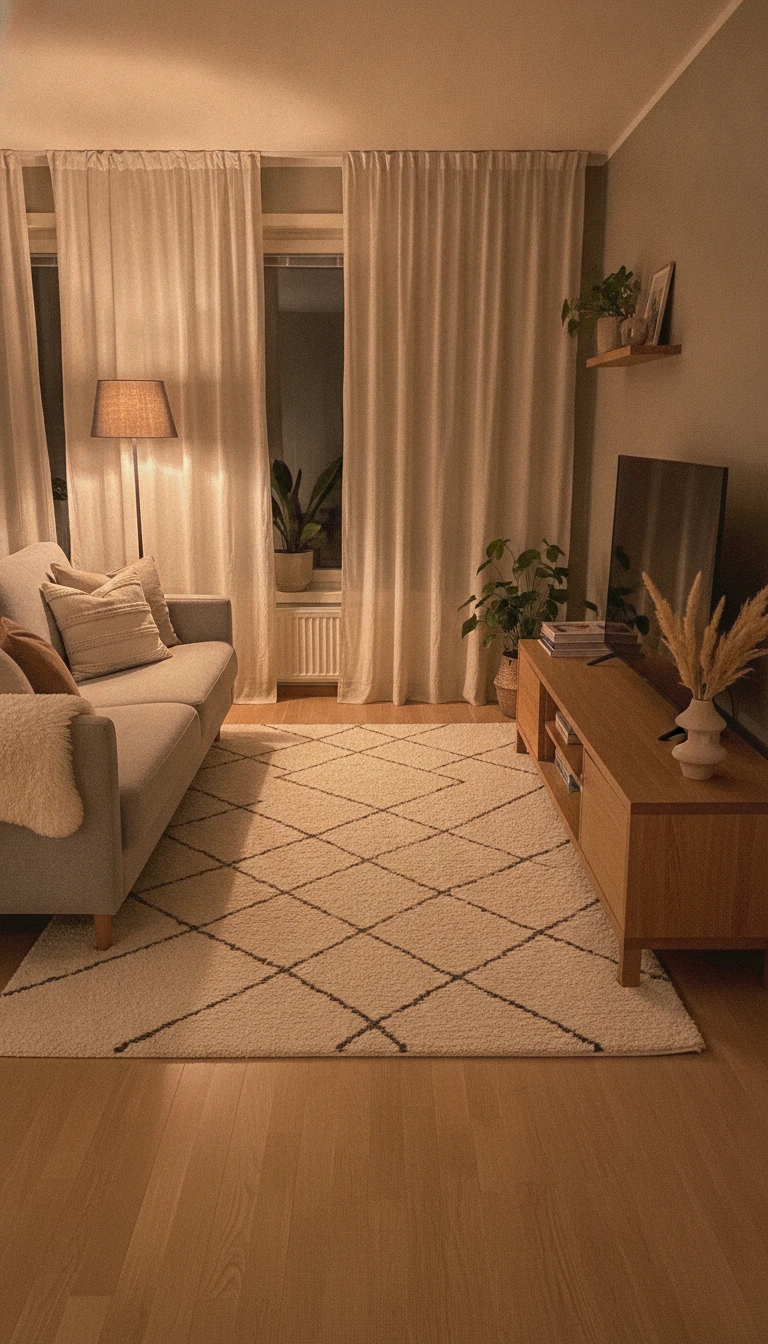
Consider how the piece fits your long-term interior goals. A high-quality media unit should not just match current decor but adapt to future style changes.
The neutral, warm tones of light oak make it incredibly versatile. By focusing on timeless appeal rather than fleeting trends, you make a sustainable choice.
Conclusion: The Lasting Value of a Scandinavian TV Stand Oak
Selecting a scandinavian tv stand oak is about creating a serene, balanced home. Prioritizing genuine materials makes sure your living space remains beautiful and practical.
What design details do you value most when selecting new wooden furniture? Share your thoughts below and let us know how you plan to elevate your setup.