Earthy Tones Scandinavian Decor: The Modern Warm Minimalist Guide
Stark white plaster feels like a sterile hospital room at 3 a.m. missing basic human warmth. I was sitting on my floor last Tuesday looking at a plain space that felt totally dead, and it hit me how fast cold color choices drain energy right out of a room. Bringing organic warmth into a functional layout changes everything. You get texture, visual weight, and quiet balance without turning your home into a cluttered mess.
Understanding Earthy Tones Scandinavian Decor
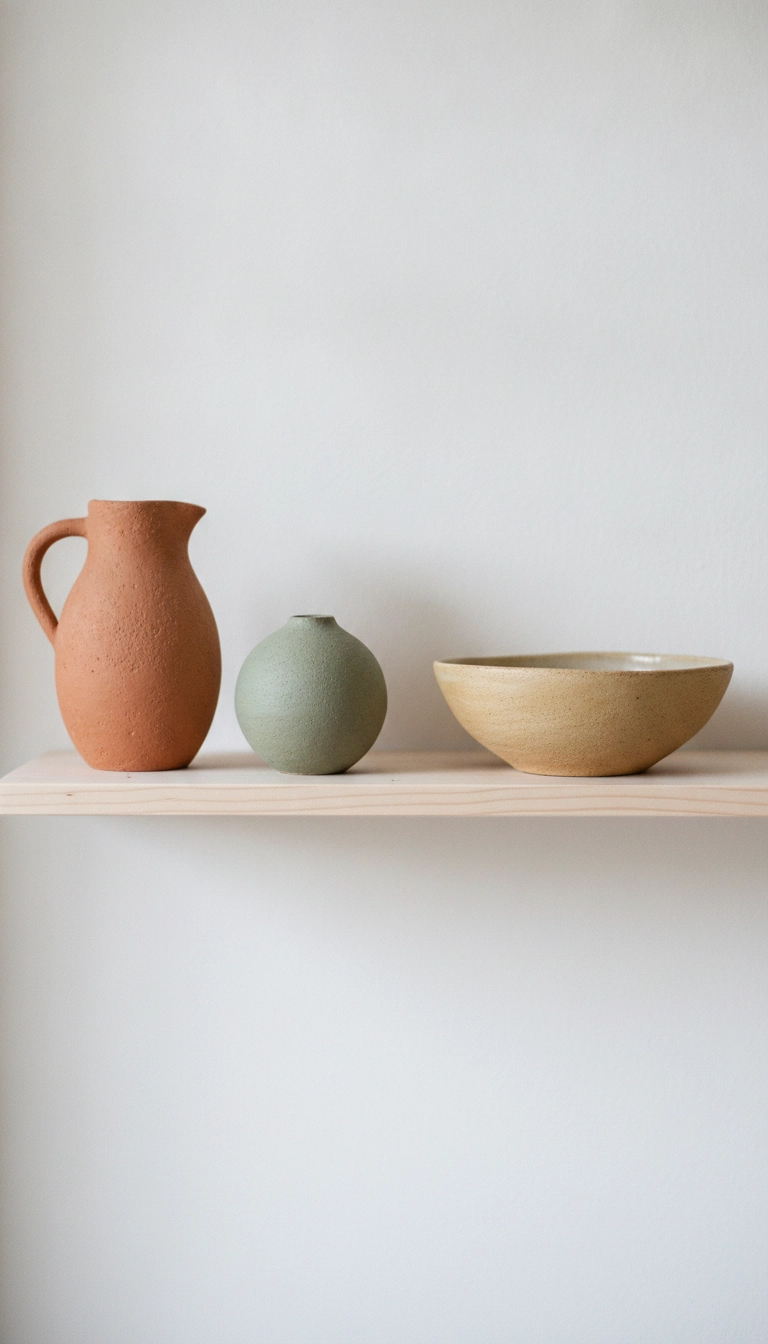
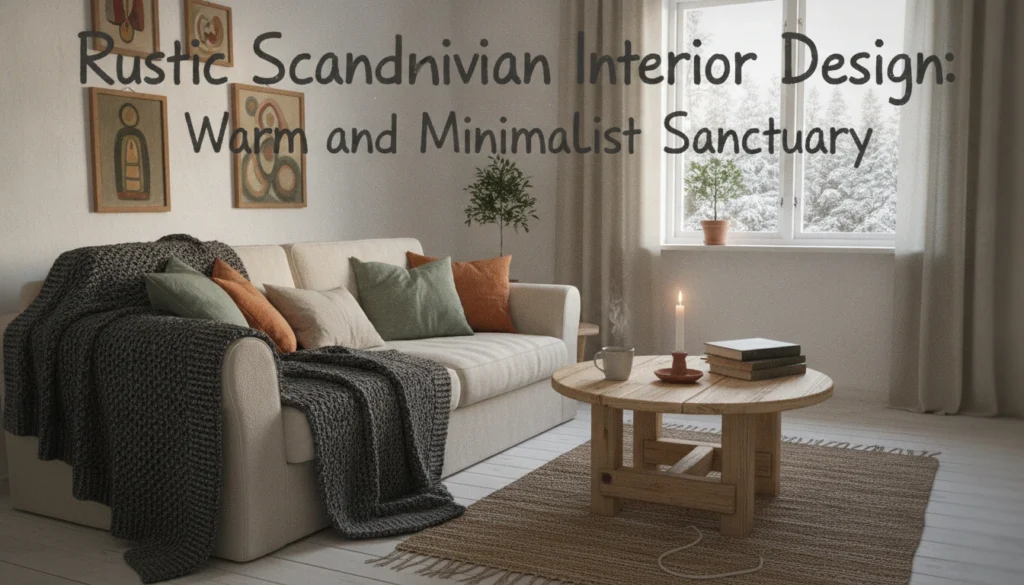
Nordic spaces spent decades obsessed with icy whites and flat cool grays. People wanted light during dark winter months, but living inside an ice cube gets exhausting after a while. Shift the focus toward soft clay, pale ochre, muted terracottas, and sage tones instead. You retain the functional layout that makes Nordic design so easy to live with, but you add warmth that makes you actually want to sit down and relax.
It is all about finding the balance between texture and function in every room. When you trim away excess clutter, the items remaining need to work harder visually and practically. Muted earth shades add subtle depth so your walls do not look like a blank hallway.
The Best Earthy Color Palettes for Scandinavian Interiors
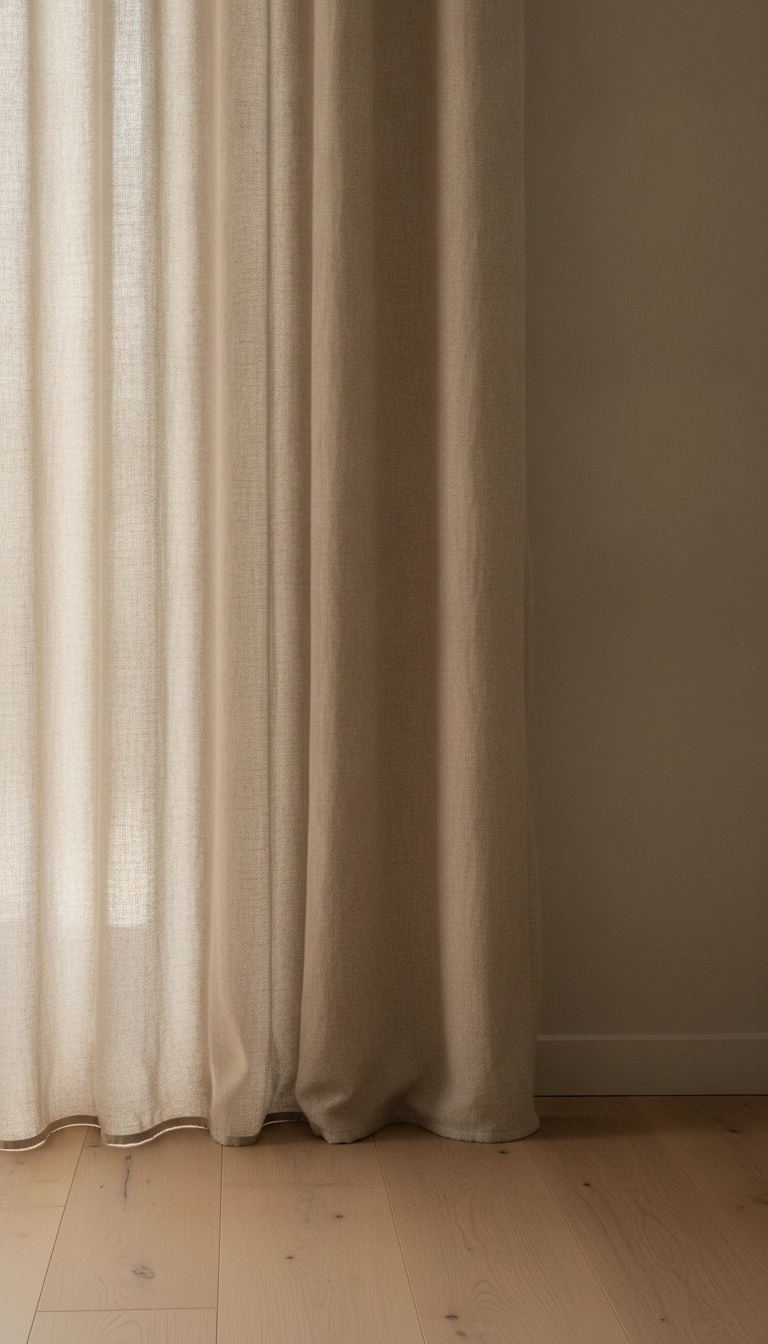
You do not need to turn your house into a dark log cabin in the woods to get cozy. The strategy relies on muted secondary shades grounded by organic undertones. Think soft taupes, muted sand, and greige mixed with subtle accents like deep moss or burnt sienna.
I was working with Jorge Wallace over near Brick Kiln Road in Nottingham last year on a project where the sitting room felt like a cold stone cave. We pulled out those awful cool blue-gray paint samples and painted the walls in a soft greige, then brought in matte terracotta ceramic bowls and raw timber. The room immediately felt grounded and inviting instead of clinical.
Keep the base light with unbleached linen and pale oak floorboards so light bounces around properly without creating harsh glare.
Color Selection Tip
Always test warm paint swatches under both natural daylight and evening artificial lighting. Earthy undertones can shift drastically when lower Kelvin lights switch on.
Let us break down how these subtle shades work together so you can visualize the balance before picking up a paintbrush.
My Take
Do not overcomplicate the palette. Stick to one dominant base shade across your walls and bring in contrast through two textured accent tones at most.
Natural Materials That Bring Earthy Warmth to Scandinavian Spaces
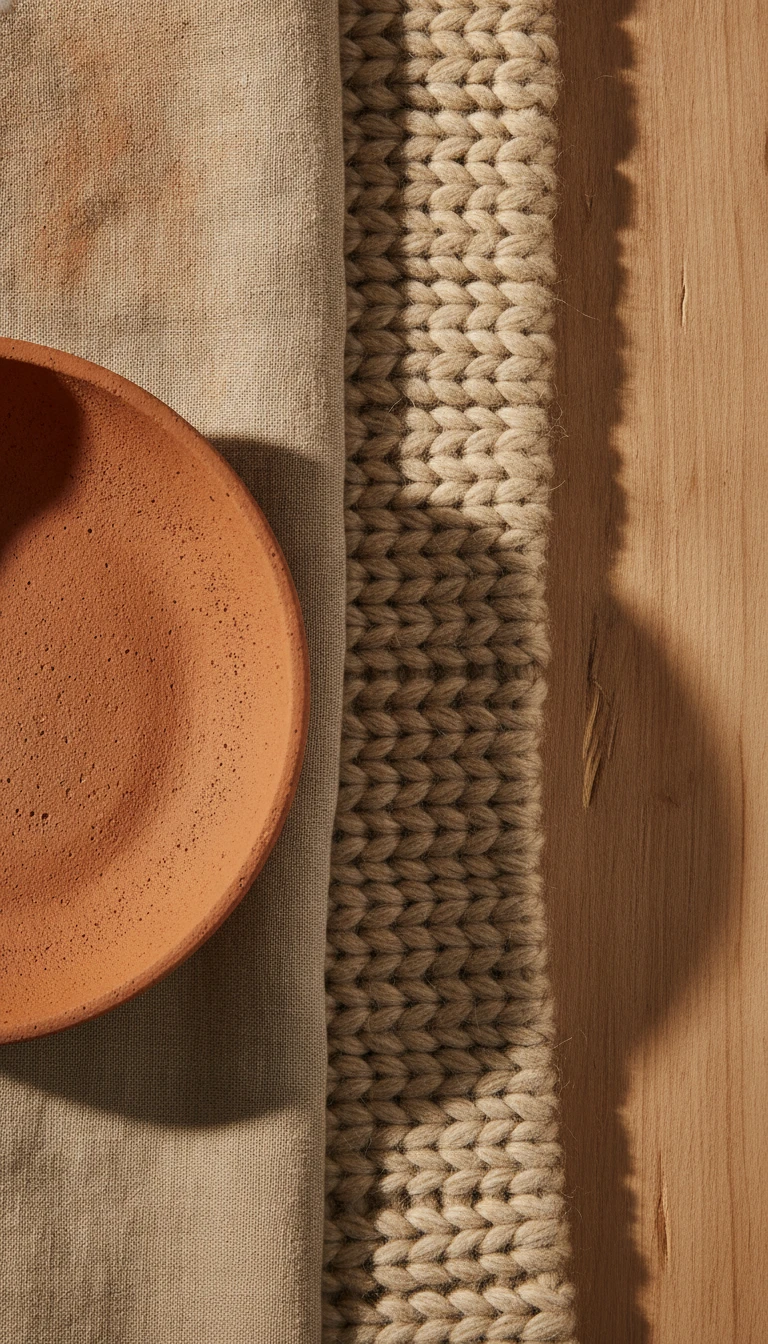
When your palette relies on muted colors, tactile surfaces do all the heavy lifting. Without bright red or green accent walls demanding attention, touchable materials become the real anchors of the space. Think about raw timber, brushed warm brass, coarse stoneware, and slubby wool textiles.
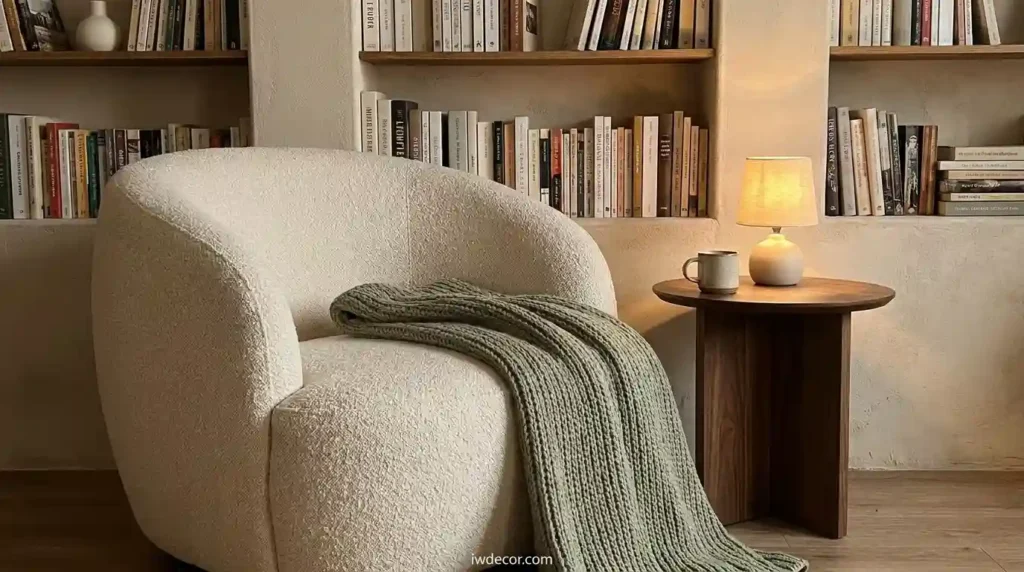
I always preach investing in timeless, distinctive pieces that actually hold up to daily life. A rough wool throw draped over a simple leather chair adds quiet warmth without making the living area feel overcrowded. Choose heavy slubbed cotton, hand-loomed textiles, and unrefined flax linen over cheap synthetic fabrics every single time.
Material Layering
Combine smooth matte ceramics with rough woven textiles to create subtle, engaging visual friction across open shelving.
To make material selection effortless, here is a quick guide on pairing textures for maximum warmth.
My Take
Mixing opposing textures like rough stoneware against smooth wood grain keeps neutral spaces from feeling flat or visually boring.
Lighting and Decorative Accessories in Warm Minimalist Decor
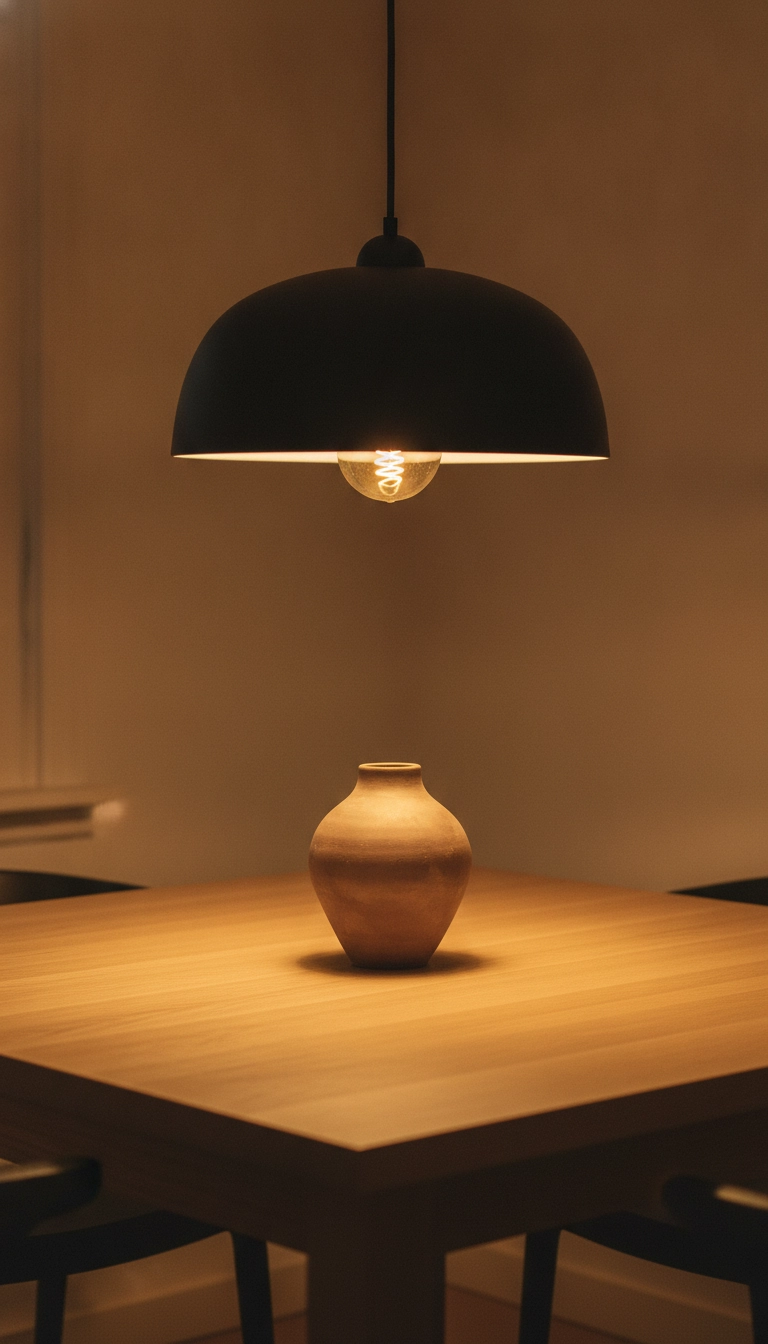
Accessories need purpose or real architectural shape. One heavy hand-thrown ceramic vase with a couple of dry botanical stems makes a much stronger statement than a cluttered shelf full of tiny trinkets. Look for silhouettes that stand strong on their own.
Lighting makes or breaks the whole setup. Toss out those harsh blue-white daylight bulbs right now. You want warm light sources around 2700 Kelvin to bring out the rich undertones in wood grain and raw clay. Low pendant lamps over a table and matte floor lamps in dark corners create gentle layers of light that feel relaxed and intentional.
Here is a clear breakdown of lighting temperatures and fixture placement to keep your rooms feeling warm.
My Take
Lighting is the secret sauce for warm minimalism. Stick to 2700 Kelvin warm white bulbs to ensure your earthy tones never look muddy or cold.
Balancing Minimalism With Warmth in Every Room
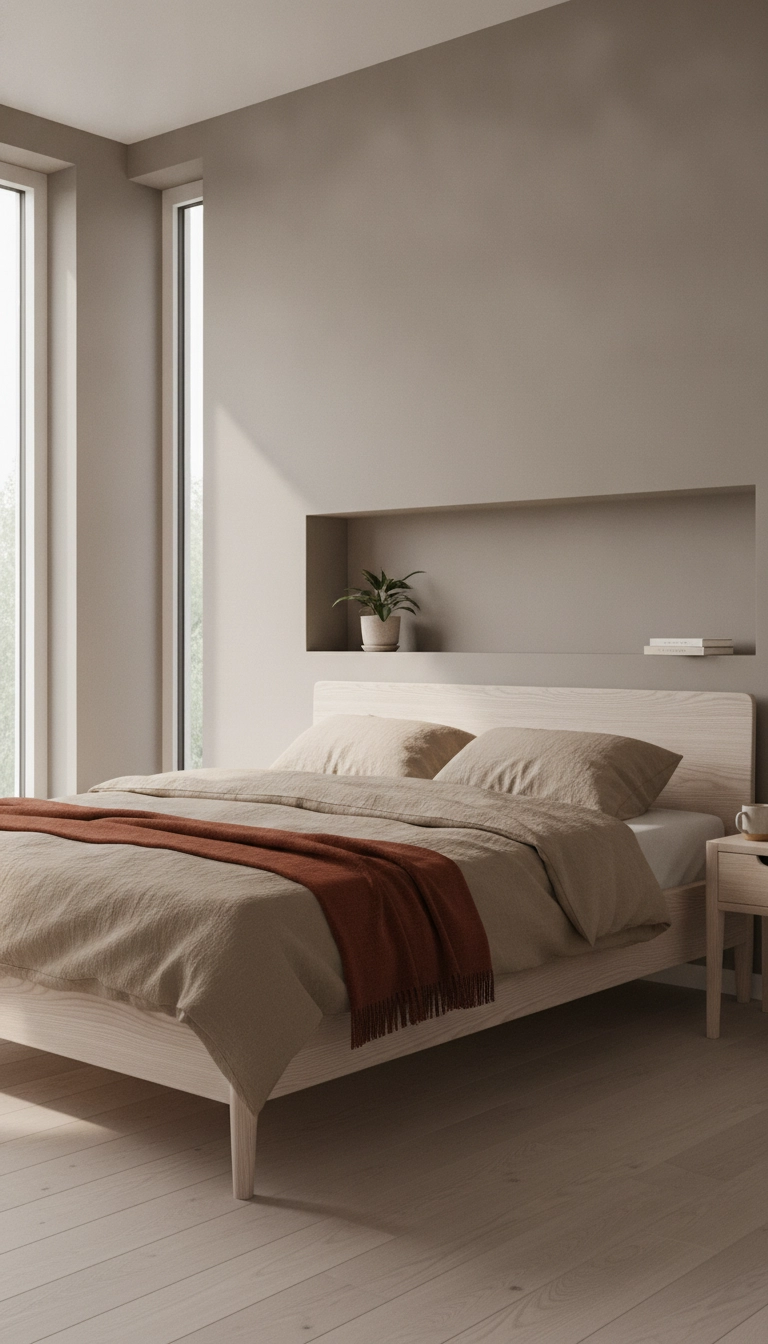
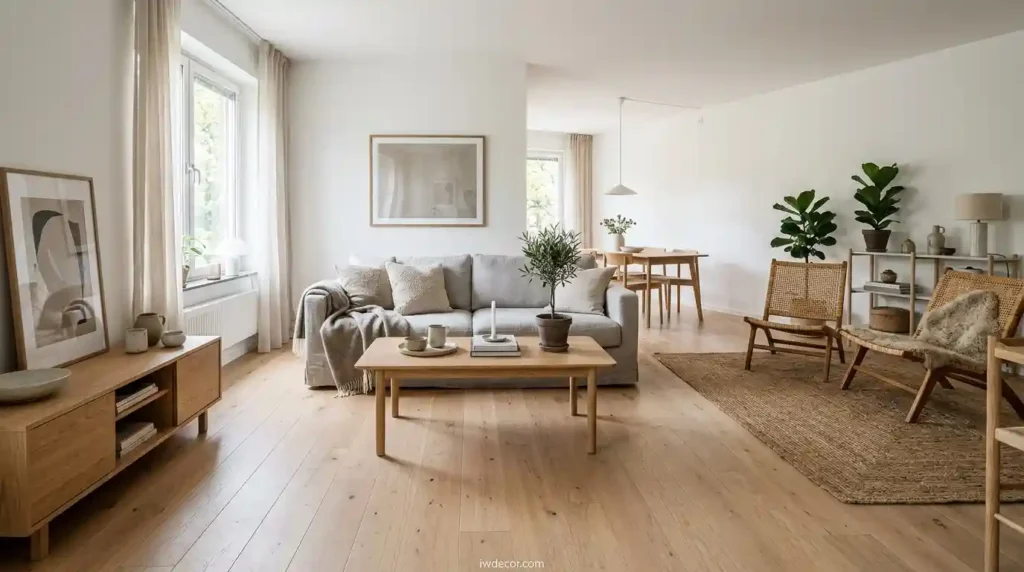
Start in the main living space with a low-slung couch upholstered in a warm stone or taupe wool blend. Pair it with simple nesting tables made from solid ash or white oak. Let sunlight filter through sheer linen curtains rather than heavy dark drapes.
In your bedroom, layering creates cozy quiet luxury. Pair crisp sand sheets with a deep terracotta duvet folded neatly across the end of the bed. For kitchens, warm wood cabinets paired with dark stone countertops and open shelving displaying simple wooden bowls bring immediate warmth to daily meals.
Avoid Overcrowding
Resist the urge to fill every open surface. True Scandinavian minimalism relies on negative space to let earthy textures breathe.
Transforming Your Space with Earthy Tones Scandinavian Decor
Rethinking your home does not mean throwing everything away or chasing trendy nonsense. Focus on subtle colors, authentic materials, and items that serve a clear daily purpose.
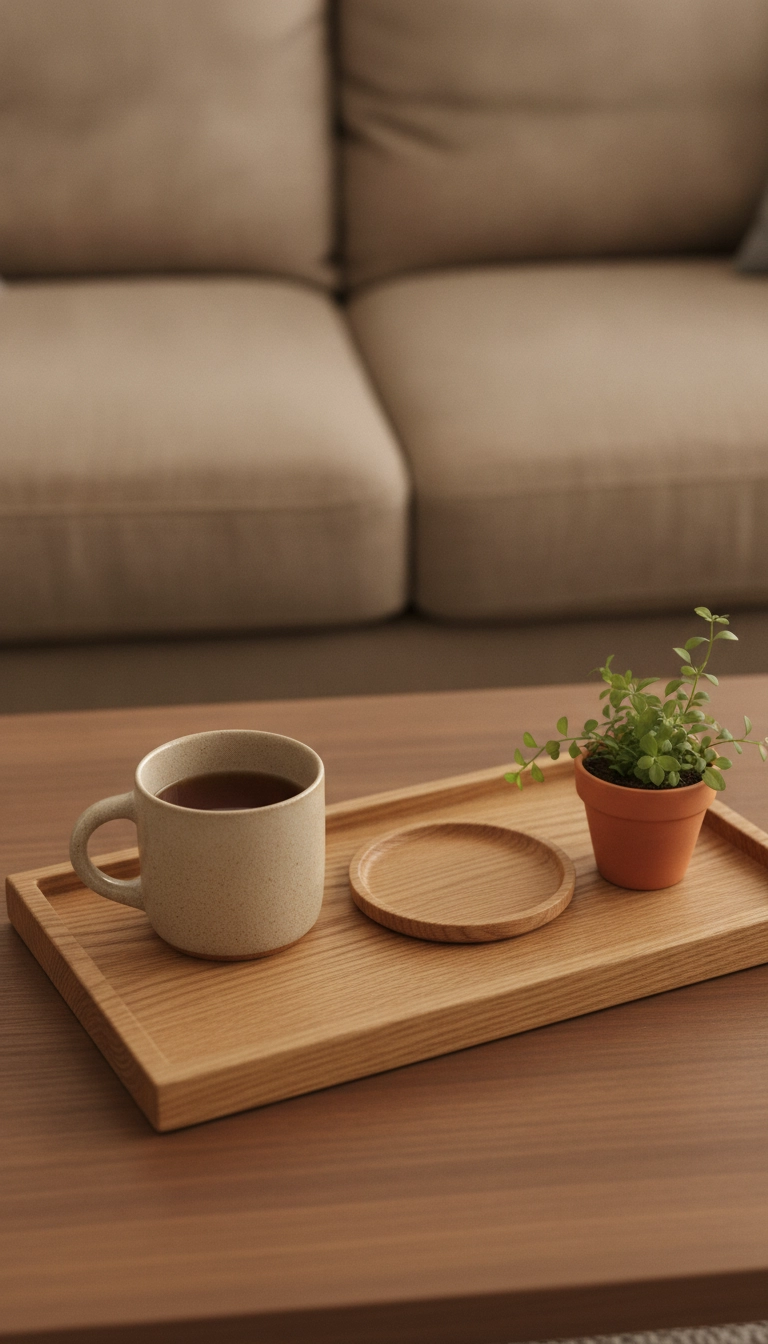
Start small. Swap out cold white pillow covers for warm sand linen, or place a simple wooden tray on your coffee table. Small changes build momentum quickly. How do you balance natural textures with clean lines in your own home?