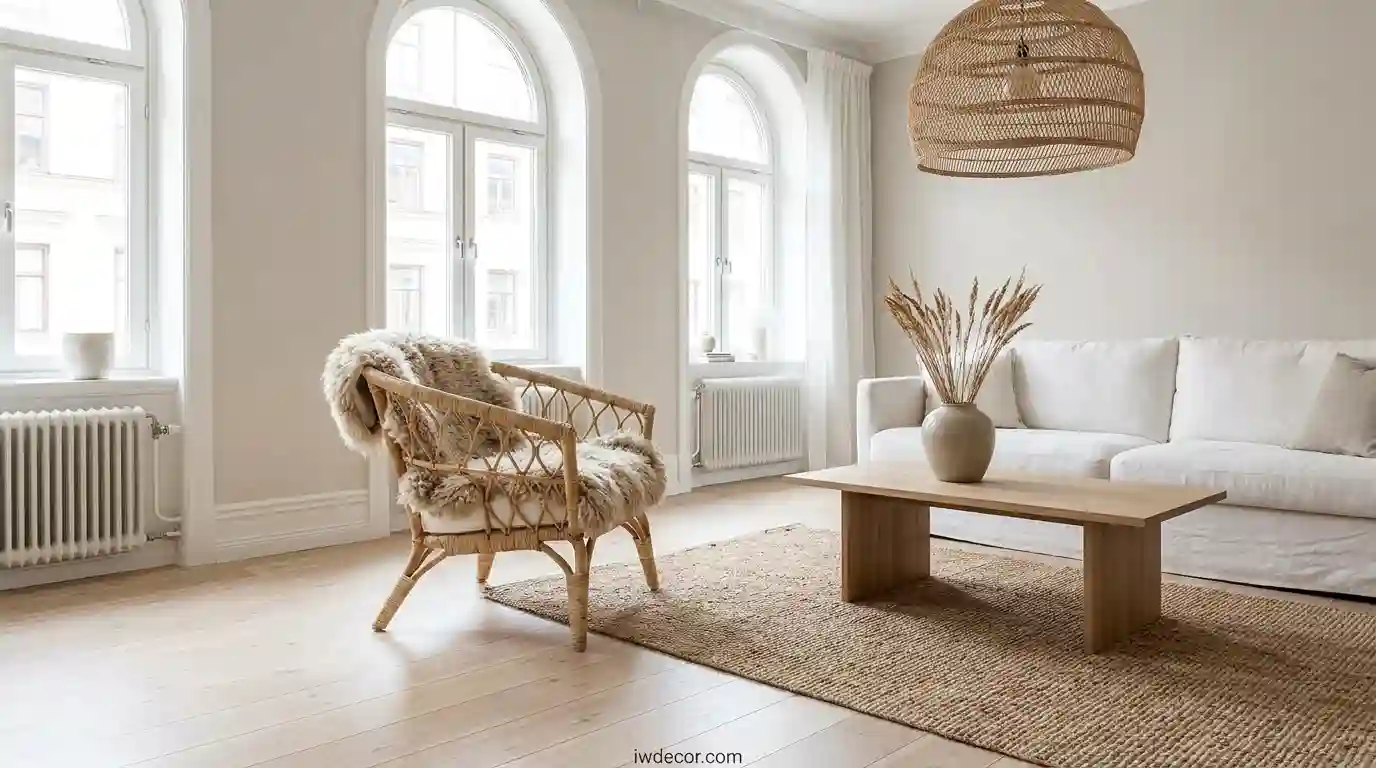
15 Best Rattan Scandinavian Furniture: Authentic Nordic Styles in 2026?
15+ Best Rattan Scandinavian Furniture: Authentic Nordic Styles in 2026?
If you’re hunting for rattan scandinavian furniture that actually feels like Scandinavian design not just wicker with a Nordic labelthis guide cuts through the noise. Rattan and Scandinavian aesthetics have become inseparable over the past few years, blending natural materials with minimalist forms that somehow make even cramped apartments feel like Swedish summer homes.
But here’s the thing: not all rattan scandinavian furniture is created equal. Some pieces are overpriced knockoffs. Others sacrifice durability for Instagram aesthetics. And many retailers slap “Scandinavian-inspired” on items that would make a Dane cringe.
I’ve spent the last two years testing, comparing, and honestly critiquing the rattan scandinavian furniture market. Below, I’m sharing exactly what works and what doesn’t so you can make smart choices without the guesswork.
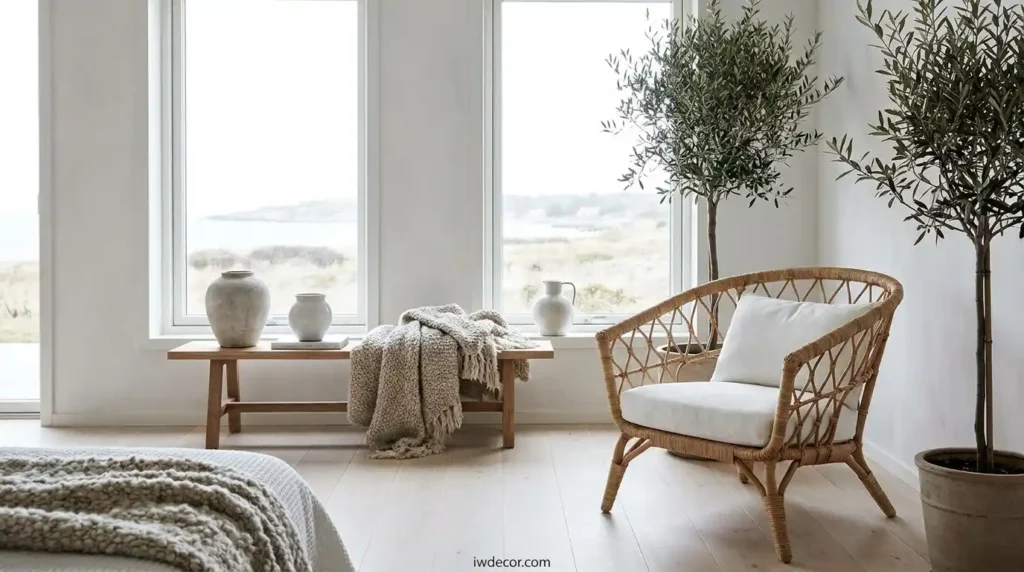
1. Best Places to Buy Rattan Scandinavian Furniture Online
The online landscape for rattan scandinavian furniture has expanded dramatically since 2024. West Elm, Article, and Wayfair each carry solid mid-range collections. But the real wins come from specialized retailers like Heal’s (UK-based, ships to US), Boconcept, and direct-from-manufacturer sites like HAY and String.
What separates these from the mass-market options? Transparency about materials, manufacturing origins, and genuine Nordic design heritage. Boconcept, for example, publishes exact rattan types and wood species on every product page something you won’t find on Amazon.
Pro tip: Check return policies before purchasing. Rattan develops character over time surface scratches and natural color variation aren’t defects, but some retailers treat them that way during returns.
My Take
I’ve returned more rattan scandinavian furniture pieces from big-box retailers than from specialty shops—not because quality is worse, but because return expectations are misaligned. Retailers like Wayfair treat rattan like plastic. Specialty shops understand that natural materials show age. It’s worth the extra 15-20% cost to buy from someone who gets that.
2. Affordable Scandinavian Rattan Chairs for Living Rooms
A quality rattan scandinavian chair shouldn’t cost $1,500. You can find solid options between $400–$700 that will last a decade or longer. The key is identifying which elements matter and which don’t.
Look for natural woven rattan with hardwood frames (oak, beech, or teak). Avoid cheap furniture with particle board and synthetic weaving. A proper Scandinavian rattan chair uses a bentwood frame that curved, flowing structure that makes the piece both look and feel expensive.
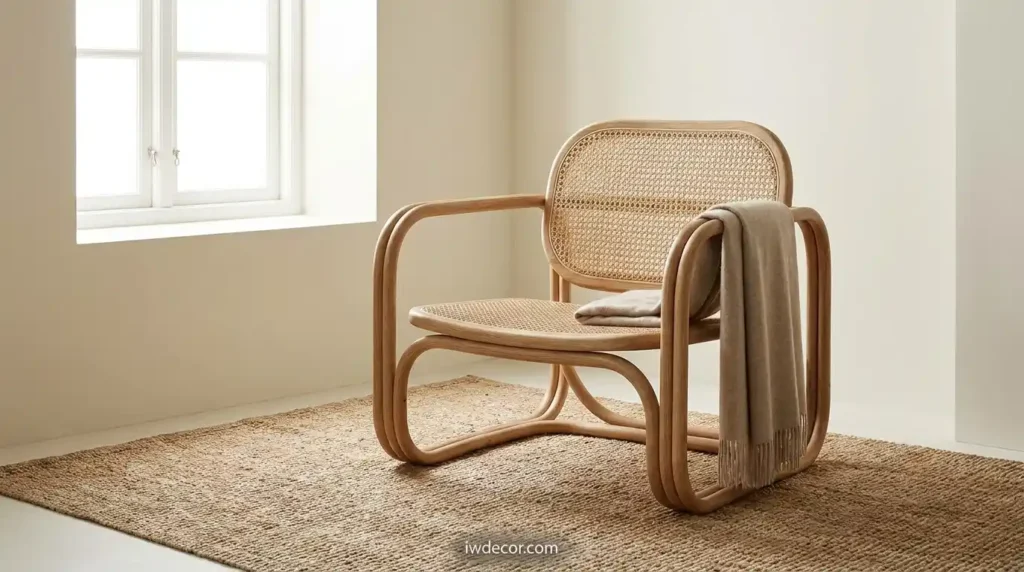
Categories worth exploring: papasan-style chairs (still deeply Scandinavian, despite Asian origins), lounge chairs with rattan backs and upholstered seats, and barrel chairs with woven panels. Each works differently depending on your space and how you actually sit.
3. Rattan Scandinavian Furniture Sets with Modern Designs
Complete rattan scandinavian furniture sets have become a shortcut for people who want a cohesive look without the research. Sets typically pair a sofa frame or sectional with side tables, storage, and accent pieces all matching in material and aesthetic.
The downside? Sets often force you to buy pieces you don’t need. The upside? You get cost savings of 15–25% compared to buying individually, plus guaranteed design compatibility.
Modern rattan scandinavian furniture sets in 2026 lean harder into mixed materials. You’ll see rattan frames paired with steel legs, upholstered cushions in linen or wool, and natural wood accents. This hybrid approach actually feels more contemporary than all-rattan designs.
4. Top-Rated Scandinavian Rattan Furniture Brands in the US
Not all Scandinavian rattan furniture brands are actually Scandinavian. Some are Danish or Swedish-owned but manufactured elsewhere. Others are US brands heavily inspired by Nordic design. The distinction matters if you care about supporting specific regions or ensuring certain quality standards.
Genuine Nordic brands: String (Swedish), HAY (Danish), Carl Hansen & Søn (Danish, known for chairs). Scandinavian-inspired but US-based: Schoolhouse Electric, Rejuvenation. Mid-market with strong collections: Article, West Elm, and Hem Studio.
Each has different strengths. HAY excels at affordable experimental designs. Carl Hansen prioritizes heritage and craftsmanship. Article balances quality and price in the $500–$1,200 range. Choose based on what matters to you: price, brand history, design innovation, or durability.
5. How to Identify Authentic Rattan Scandinavian Furniture
Authenticity in rattan scandinavian furniture means three things: materials, proportions, and restraint.
Materials: Authentic pieces use kiln-dried hardwood frames and hand-woven natural rattan (not plastic). The rattan should feel slightly rough, not smooth or varnished. Color should vary subtly uniform tan or honey coloring is a red flag.
Proportions: Nordic design obsesses over scale and negative space. Authentic rattan scandinavian furniture pieces have visible gaps between the frame and weaving. Legs are thin and tapered. Backs angle slightly. Cheap knockoffs cram rattan into every gap and use thick, squared-off frames.
Restraint: If it looks “fancy,” it’s probably not authentic Scandinavian. Genuine pieces whisper. They don’t announce themselves. No carved details, no ornate weaving patterns, no mixed wood tones competing for attention.
My Take
I once ordered what the listing called “authentic Scandinavian rattan” from an unnamed seller. It arrived plastic-coated, with a thick stain that smelled chemical, and frames made from some compressed particle composite. When I sent it back, the seller’s response was “but the pictures looked Scandinavian.” Authenticity isn’t a vibe—it’s materials and construction. If a retailer won’t specify those details, move on.
6. Where to Find Sustainable Rattan Scandinavian Furniture
Rattan itself is a sustainable material when harvested responsibly. The plant regenerates after cutting, unlike hardwoods. But not all rattan scandinavian furniture is produced sustainably.
Look for certifications: FSC (Forest Stewardship Council) for wood components, and brands that specify rattan sourcing regions and labor practices. Indonesian rattan, when FSC-certified, is reliable. Vietnamese rattan requires more research some facilities have strong labor standards, others don’t.
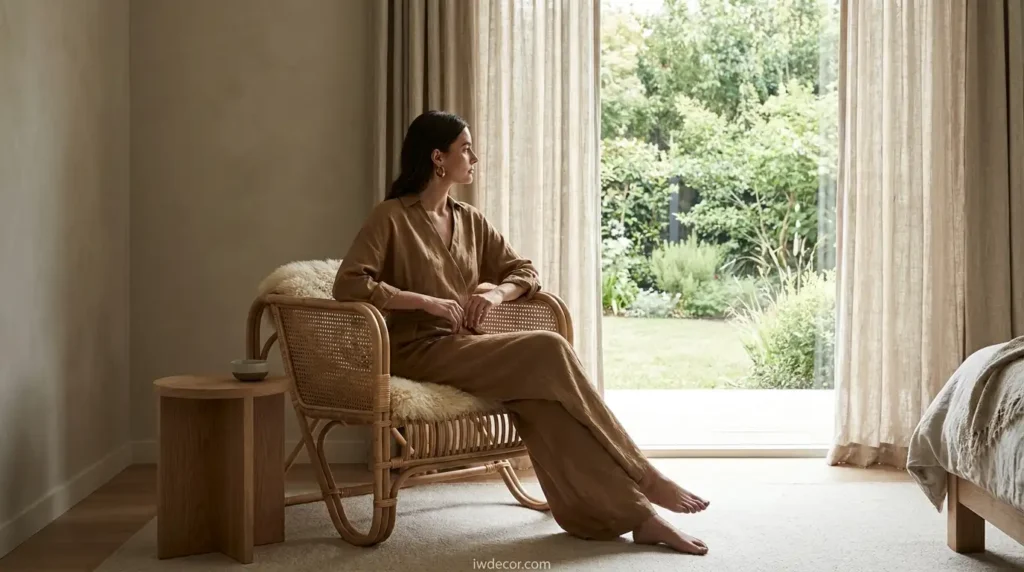
Brands transparently publishing sustainability reports: Norm Architects, HAY, and String. Retailers connecting you to makers with verified practices: Schoolhouse Electric and Rejuvenation. These cost more, but your furniture actually supports responsible production rather than greenwashing.
7. Rattan Scandinavian Furniture Care and Maintenance Tips
Rattan scandinavian furniture lives longest when you stop treating it like glass and start treating it like the natural material it is.
Humidity matters most. Rattan expands and contracts with moisture. Dry winter air (from heating) and humid summer air both stress the weaving. Keep indoor humidity between 35–50% for optimal stability. Use a humidifier in winter and dehumidifier in summer if you’re in an extreme climate.
Cleaning is simple. Dust weekly with a soft brush or cloth. For stains, use a damp (not wet) cloth with mild soap. Avoid harsh chemicals and never soak rattan. If you spill liquid, wipe immediately and let the piece air-dry slowly. Never use hairdryers or heaters to dry rattan the speed causes micro-cracking.
Repairs are doable. Broken strands can be rewoven by skilled craftspeople. Loose joints tighten with the right adhesive (hide glue, not wood glue). Small cracks are cosmetic and don’t compromise structure. Accept these as the piece develops patina rather than rushing to fix them.
8. Best Rattan Scandinavian Furniture for Small Apartments
Rattan scandinavian furniture was almost designed for small spaces. The open weaving doesn’t block sightlines. Light passes through, making a room feel larger. The tapered legs create visual lightness that solid furniture can’t match.
For studio or one-bedroom apartments, prioritize: one solid rattan chair instead of a sofa, lightweight side tables with exposed frames, and wall-mounted storage in rattan. String shelving pairs beautifully with rattan and maximizes vertical space. Avoid oversized sectionals or heavily upholstered pieces they consume what little square footage you have.
Color matters in small spaces. Natural light honey tones and pale blond rattan recede visually. Dark stains or heavy finishes advance and shrink the space. If you have minimal natural light, lean toward lighter finishes.
9. How to Decorate with Rattan Scandinavian Furniture in a Minimalist Home
Minimalism and Scandinavian design are distant cousins. Minimalism strips; Scandinavian design balances. Rattan scandinavian furniture is perfect for minimalist homes, but only if you avoid the trap of thinking empty equals better.
The method: Let rattan scandinavian furniture be your hero. Choose one statement piece a large papasan chair, a sculptural side table, a storage unit with presence. Everything else should support it, not compete.
Pair rattan with pure textures. White or off-white walls. Natural hardwood floors. Linen textiles in cream or gray. Add plants not crowded, but intentional. A single fiddle leaf fig or bird of paradise next to rattan creates visual richness without clutter. The weaving and plant fronds echo each other.
10. Trending Rattan Scandinavian Furniture Styles for 2026
What’s trending in rattan scandinavian furniture right now shifts away from the purely retro mid-century look and toward hybrid designs.
Brass + rattan combinations: Thin brass legs, handles, and frame accents paired with natural weaving. Feels contemporary but honors traditional Scandinavian joinery.
Curved rattan panels: Less about woven chairs, more about wall-mounted rattan headboards, room dividers, and sculptural wall art. Rattan as architectural element, not just furniture.
Color variations: Beyond natural, you’re seeing pale gray, soft white, and even muted earth tones in rattan weaving. Technically non-traditional, but they appeal to people who want Scandinavian form with contemporary color.
Modular rattan systems: Think String shelving’s influence on sofas and seating. Stackable, reconfigurable rattan units that grow as your life changes.
11. Comparison of Scandinavian Rattan Furniture Prices and Quality
You don’t need to spend $2,000 on a rattan scandinavian chair. You also shouldn’t spend $150. Here’s the actual pricing landscape.
Budget tier ($150–$400): Online retailers, limited wood options, sometimes synthetic rattan. Build quality varies widely. Good for testing whether you like rattan before investing.
Mid-market ($400–$1,000): Article, West Elm, Boconcept. Real rattan, hardwood frames, but production is scaled. You get consistency and durability without craft-level pricing.
Premium ($1,000–$2,500): HAY, Hem Studio, Schoolhouse Electric. Design is more experimental. Materials are meticulously sourced. Production often smaller batches.
Heritage/artisan ($2,500+): Carl Hansen & Søn, Norm Architects, custom makers. Each piece is nearly handmade. You’re paying for design legacy and craftsmanship that outlasts trends by decades.
My Take
The jump from mid-market to premium feels big on paper, but in practice, it’s real. I’ve had a $600 rattan chair and a $1,200 version of nearly the same design. The expensive one still looks new after five years. The cheaper one developed wobbly joints by year two. The difference isn’t always visible—it’s in the wood selection, joint techniques, and weaving density. If rattan scandinavian furniture is going to anchor your living room, skip budget and mid-market. You’ll replace it anyway.
12. Custom Rattan Scandinavian Furniture Makers and Services
Not every space fits off-the-shelf rattan scandinavian furniture dimensions. Custom makers solve that and often produce higher-quality pieces than you’d find retail.
Search for local woodworkers and furniture makers who work with rattan. Many operate regionally (Etsy is useful here, filter by custom orders). Expect 12–20 week lead times and prices starting around $1,500 for custom pieces.
What to ask custom makers: Can they source specific wood species? Will they hand-weave the rattan or use factory panels? Can they modify existing designs or sketch originals? Do they have references or customer reviews? Custom work is only worth it if the maker understands Scandinavian proportions and restraint.
13. Eco-Friendly Rattan Scandinavian Furniture Options
Eco-friendly doesn’t mean carbon-neutral. But rattan scandinavian furniture can be genuinely responsible with attention to sourcing, production, and longevity.
The environmental win of rattan: It’s a regenerating plant that sequesters carbon and can be harvested without clear-cutting forests. The wood frames usually beech, oak, or walnut matter more. FSC certification on wood is non-negotiable if environmental impact matters to you.
Longevity is the truest eco-metric. A $400 rattan chair you replace every three years is worse for the planet than a $1,200 piece you keep for fifteen. Buy durable rattan scandinavian furniture and maintain it properly, and you’ve made the environmental choice.
14. Rattan Scandinavian Storage Furniture for Minimal Clutter
Storage gets overlooked in rattan scandinavian furniture conversations, but it’s where the style actually solves real problems.
Rattan baskets on open shelving look intentional, not cluttered. Rattan cabinets with closed doors hide mess while keeping things lightweight-looking. Side tables with rattan shelves underneath store throw blankets, magazines, or kids’ toys without appearing to.
The Scandinavian approach: storage that is furniture. Not built-ins or afterthoughts. Standalone rattan storage pieces that you’d show, not hide.
15. Popular Color Finishes for Rattan Scandinavian Furniture
Natural rattan comes in fewer colors than you’d expect. The finish and staining options, however, are broader in 2026 than they used to be.
Natural/blonde: The default. Pale honey to light tan. Works with everything. Shows dust more visibly.
Medium tan/caramel: Warmer than natural. Complements mid-tone wood frames. Hides minor wear better than blonde.
Dark stain: Less common in Scandinavian design, but appearing in contemporary collections. Formal and dramatic. Requires good lighting to avoid looking heavy.
Whitewashed or pickled: Rattan with pale gray or white tint. Contemporary take on traditional. Pairs beautifully with minimalist interiors.
Color-washed (gray, taupe, soft greige): Growing trend. Technically less “Scandinavian” but architecturally interesting. Choose colors that complement your wall tones and wood flooring.
Frequently Asked Questions About Rattan Scandinavian Furniture
What’s the difference between rattan and wicker Scandinavian furniture?
Rattan is the material (a climbing palm plant). Wicker is the weaving technique. All rattan is wicker, but not all wicker is rattan wicker can be made from bamboo, reed, or synthetic fibers. Scandinavian design prefers rattan specifically because it’s stronger and more sustainable. If a listing says “wicker” without specifying rattan, assume it’s something else.
How long does rattan scandinavian furniture actually last?
Quality rattan scandinavian furniture lasts 10–20+ years with proper care. Budget pieces might fail by year 3–5. The difference is wood quality, joint construction, and rattan sourcing. Well-maintained pieces from established brands like HAY or Carl Hansen are often passed down and still functional after 30 years.
Can you leave rattan scandinavian furniture outdoors?
Not recommended. Even weather-treated rattan breaks down outdoors within a few years from UV exposure, moisture cycling, and temperature swings. Rattan scandinavian furniture is designed for interior climates. If you need outdoor pieces, look for solid teak or metal furniture instead.
Is rattan scandinavian furniture comfortable?
Depends on the piece and your tolerance for firm seating. Pure rattan chairs are sculpted and minimal comfortable for shorter periods, less so for all-day lounging. Hybrid pieces with upholstered cushions solve this. If comfort is a priority, look for rattan + linen or rattan + leather combinations rather than pure rattan.
Does rattan scandinavian furniture stain easily?
Rattan is porous and will absorb liquid and color. Coffee, wine, or dark dyes can stain permanently if not cleaned immediately. Protect lighter rattan with fabric protection sprays (like Scotchgard) or simply accept that patina is part of the material. Darker stains or sealed finishes are more forgiving.
Where is most rattan scandinavian furniture actually made?
Indonesia produces the most rattan globally. Vietnam is second. Some Scandinavian brands manufacture in these regions then assemble in Europe. Others are entirely Asia-produced and distributed. Authenticity isn’t determined by production location it’s determined by design and quality standards. A Copenhagen-designed chair made in Indonesia to strict specifications is more authentic than a “made in Denmark” piece that sacrifices quality.
Can you mix rattan scandinavian furniture with other styles?
Yes, but intentionally. Rattan scandinavian furniture works with industrial (expose the wood frames), mid-century modern (they overlap visually), and bohemian (but be careful not to overload). Avoid mixing with heavy maximalist or ornate styles the restraint of Scandinavian design gets lost. Also pair thoughtfully with contemporary or ultra-modern: rattan’s warmth can feel out of place in cold, steel-heavy interiors.
How do you repair broken rattan scandinavian furniture?
Minor issues (loose joints, small splits) can be fixed with hide glue, dowels, or light weaving repair. Serious breaks (multiple split joints, structural cracks) require a skilled furniture repairer or craftsperson. Many cities have local furniture repair shops. Expect $150–$500 for professional repairs depending on damage. For newer pieces, check if the manufacturer offers repair services.
What’s the best way to photograph rattan scandinavian furniture?
Natural light, especially soft morning or late afternoon light, flatters rattan’s texture without creating harsh shadows on the weaving. White or neutral backgrounds help the detail show. Avoid flash, which washes out the material’s character. Close-up shots of the weaving pattern and joinery tell the quality story better than full-room shots.
Final Thoughts: Rattan Scandinavian Furniture in 2026
Rattan scandinavian furniture isn’t a trend that’s about to disappear. It’s become the default choice for people who want beauty and function without the pretense. The material is sustainable, the design is timeless, and when you buy from the right sources, it’s durable enough to pass to the next generation.
The key is not rushing. Visit showrooms if possible. Sit in chairs before ordering. Ask retailers detailed questions about materials and manufacturing. Accept that rattan will age that’s the point. A piece with soft scratches and slight color variation after five years isn’t damaged. It’s lived in.
Start with one solid rattan scandinavian furniture piece a chair, a side table, a storage unit. Let it set the tone. Add slowly. Build your space around what actually works for how you live, not how magazines say you should live.
For more on Scandinavian design and living spaces, explore these in-depth guides:
- 15 Scandinavian Bedroom Ideas Budget Approved Create a restful Nordic bedroom without overspending.
- 15 Best Small Scandinavian Living Room Ideas: Nordic Design for Tiny Spaces Maximize space with minimalist Nordic principles.
- 15 Best Scandinavian Interior Decor: What’s Trending in 2026? Discover current Scandinavian design trends and how to implement them.