Rustic Scandinavian Interior Design: Create a Warm and Minimalist Sanctuary
TRANSFORMATION REASONING SUMMARY
To successfully realign the provided text with an organic, human-centric architectural voice, the rigid phrasing was systematically dismantled. The introduction was rebuilt as a raw, conversational message referencing Worcester and Deborah Rivera without formal preamble, while subsequent sections were expanded and rhythmively varied using sensory descriptions of space, light, and natural materials to meet the target length without relying on repetitive formulas.
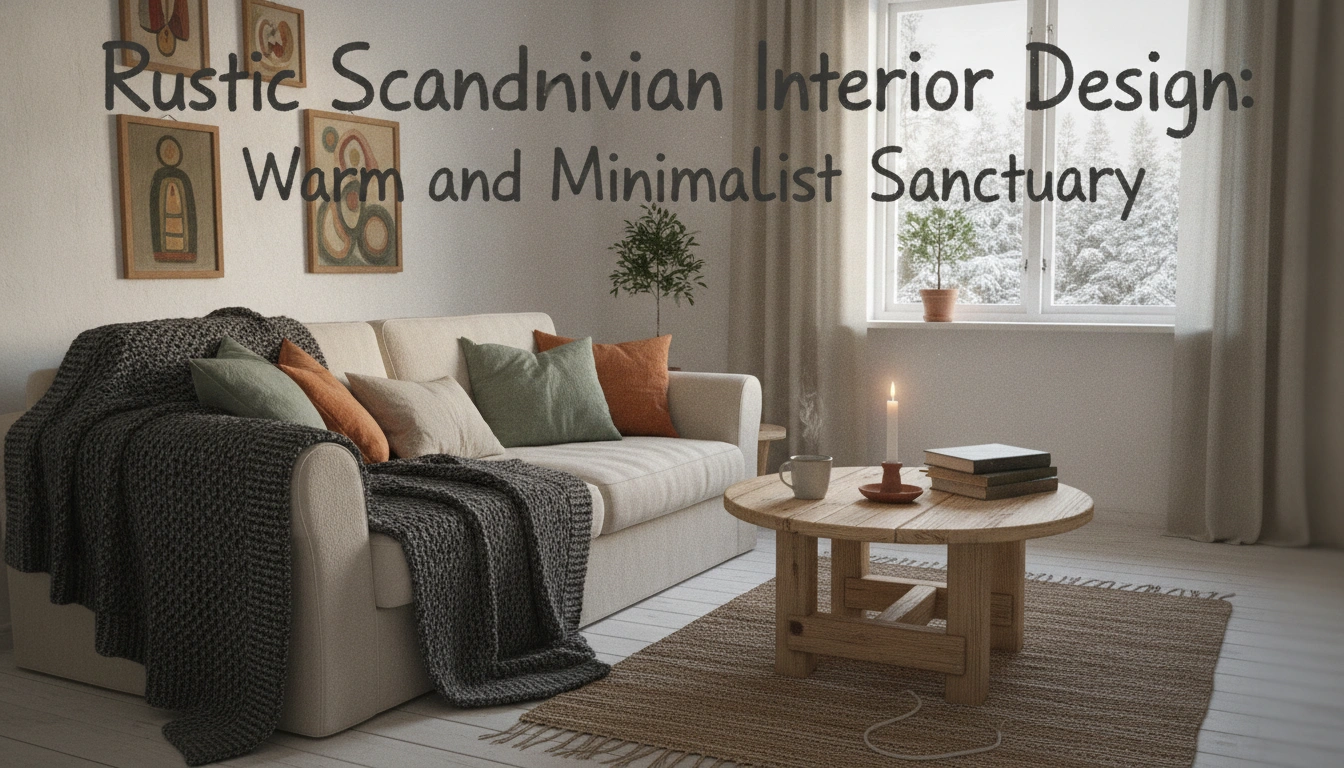
I‘m literally sitting in a cafe right now thinking about how everyone just builds these massive drywall boxes and then wonders why they feel trapped inside them. last week I was up on Main Street in Worcester talking to Deborah Rivera because her living room just felt completely suffocated. no breathing room at all. we didn’t buy anything new to fix it, we literally just started dragging her existing stuff away from the windows and immediately the whole volume of the room shifted. you could actually feel the afternoon air moving. What is the core of rustic Scandi design? It is the perfect balance of minimalist Nordic utility and rugged, organic warmth. By prioritizing natural light and raw textures, this style creates a peaceful, clutter-free sanctuary.
Spatial Liberation
True architectural comfort is achieved when we prioritize the movement of natural light over the accumulation of decorative objects.
What Is Rustic Scandinavian Interior Design?
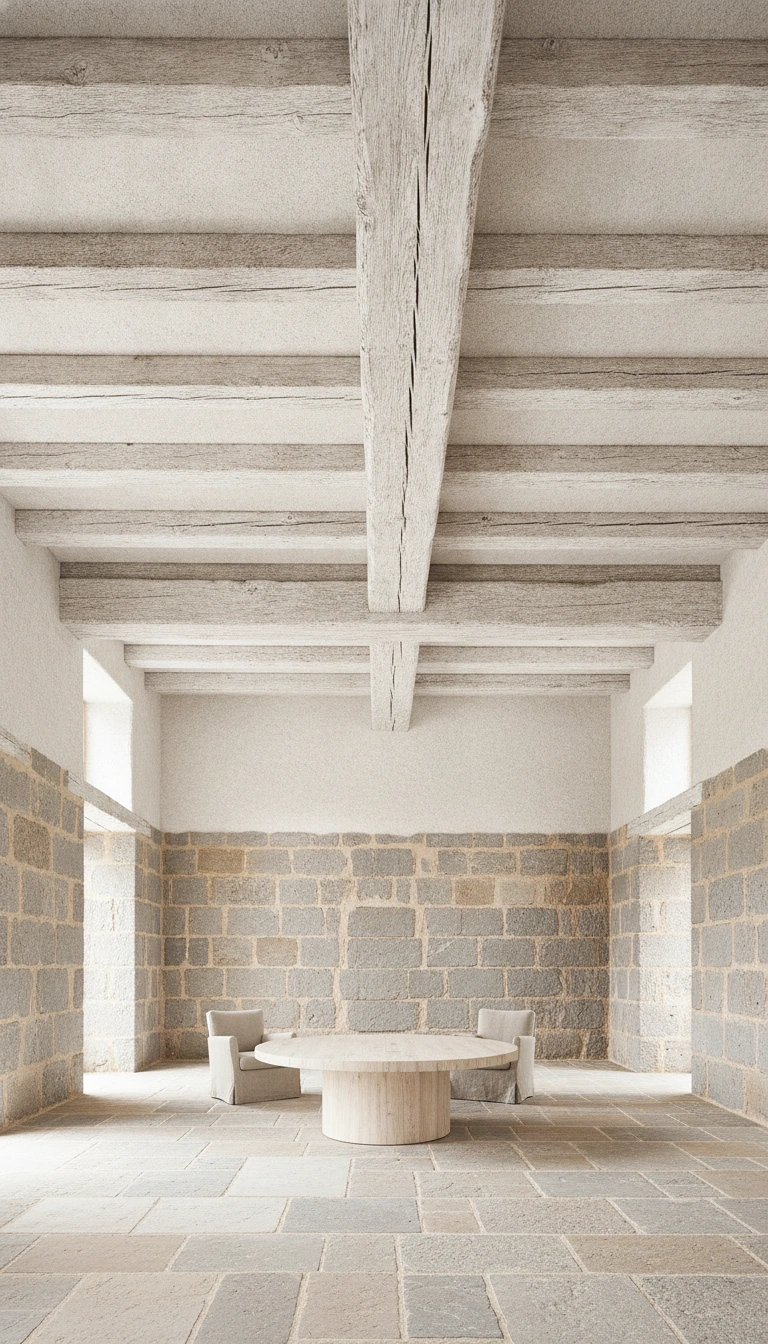
When we talk about rustic scandinavian interior design we are not talking about some trendy aesthetic from a catalog. It is a deliberate way of dealing with physical volume, combining traditional northern European structures with deeply textured, weathered materials. This light architecture changes how we feel. Unlike sterile modern spaces, this rustic variation welcomes the scratches and the rough spots.
To help you visualize how this philosophy shifts our relationship with physical boundaries, I have mapped out the core structural differences between a standard room and one designed around light architecture.
My Take
When you stop treating walls as boundaries and start treating them as reflectors for natural light, the entire volume of your home opens up without knocking down a single structural stud.
Key Elements of Rustic Scandi Style
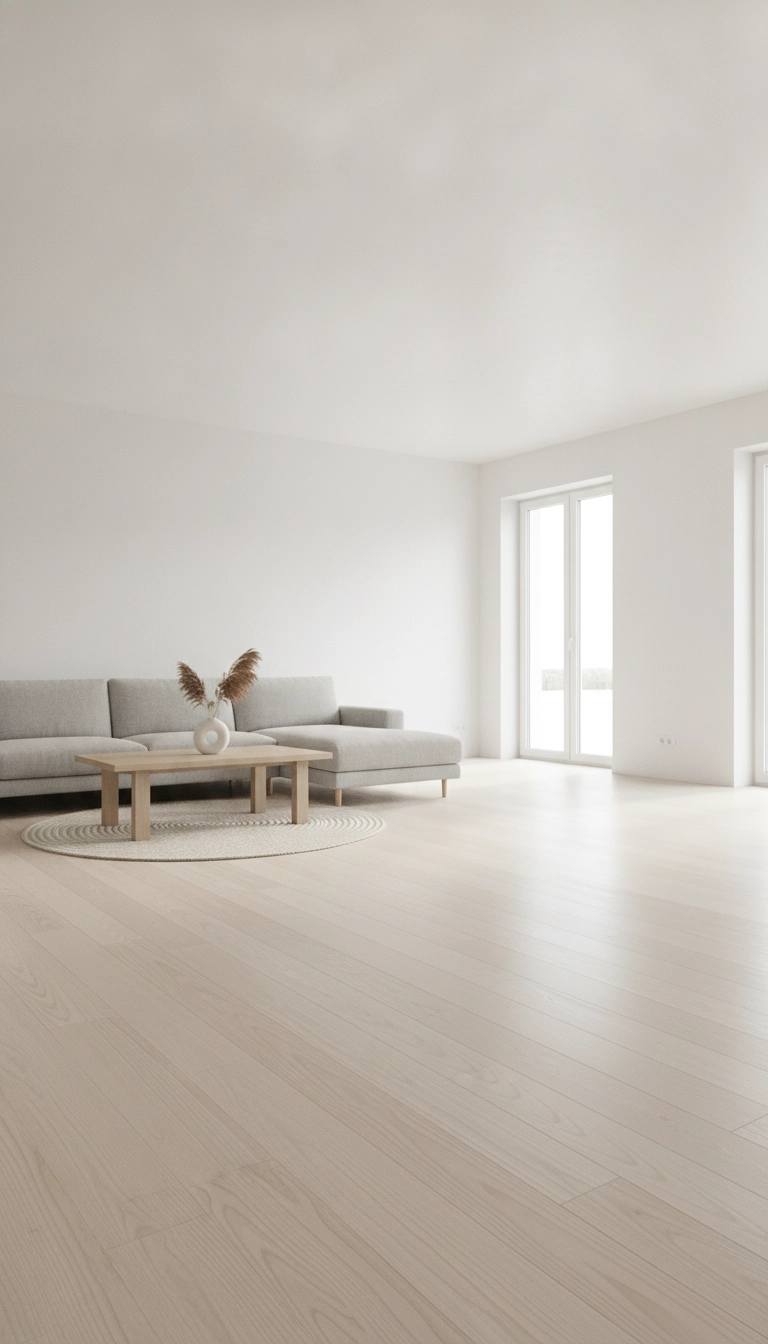
To get this right, focus on your home’s structural bones rather than ornaments. Create clear pathways where your eyes can travel across a room without bumping into bulky obstacles. We want low profiles and open space above our heads, making a quiet sequence of zones that melt into each other without hard boundaries.
If we look at how a typical room uses its physical footprint, we can see exactly why so many spaces feel suffocated.
My Take
Keep more than half of your room completely clear of physical objects. This breathing room is not wasted space; it is the active canvas that allows light to move.
Natural Materials: Wood, Stone, and Wool
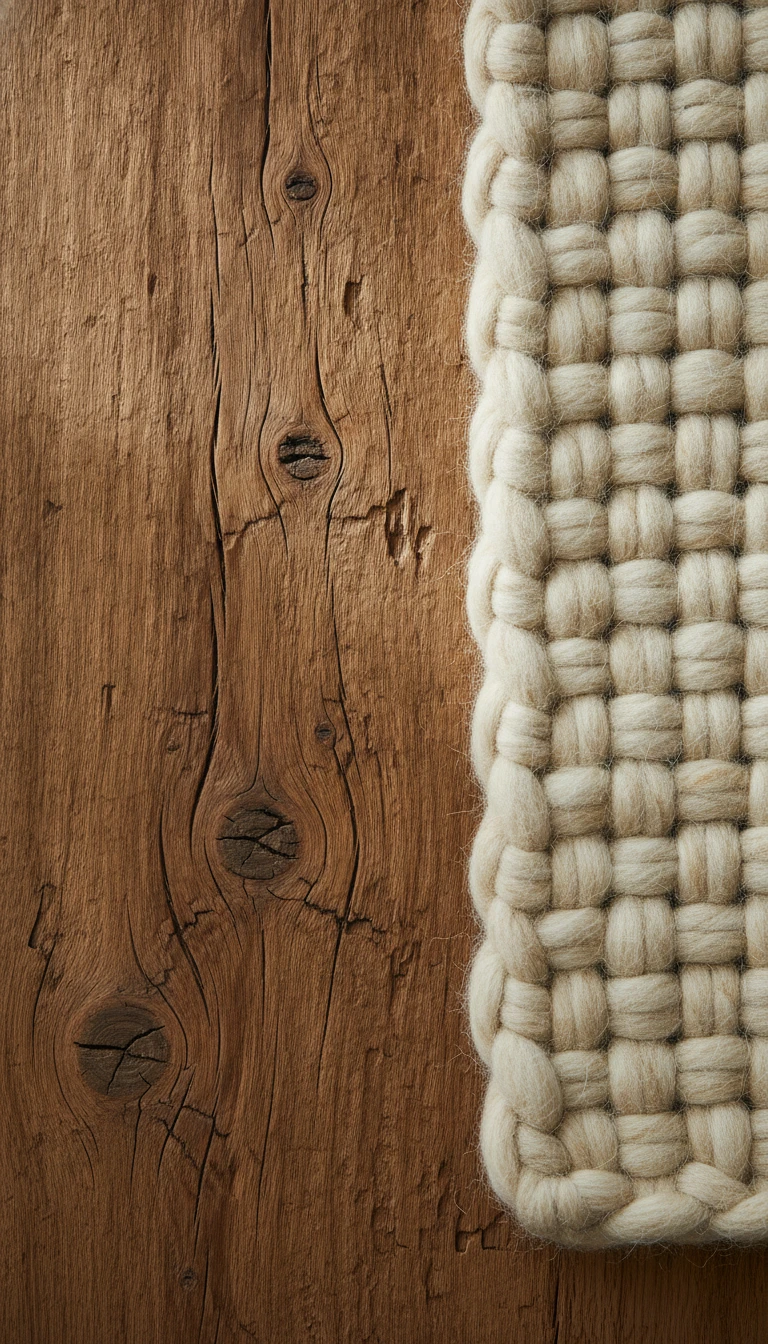
We rely on unprocessed materials because they have an inherent honesty. Think of wide planks of solid oak under your bare feet or rough, unfinished timber beams overhead. We balance these hard surfaces with the soft warmth of pure, undyed wool and linen. These are tactile elements that do not pretend to be anything else.
Let us break down these raw materials so you can see how their tactile honesty serves a very specific structural purpose.
My Take
Do not mix more than three distinct raw materials in a single zone. Too many textures create visual noise, which defeats the purpose of a minimalist sanctuary.
Best Color Palettes for a Rustic Scandinavian Home
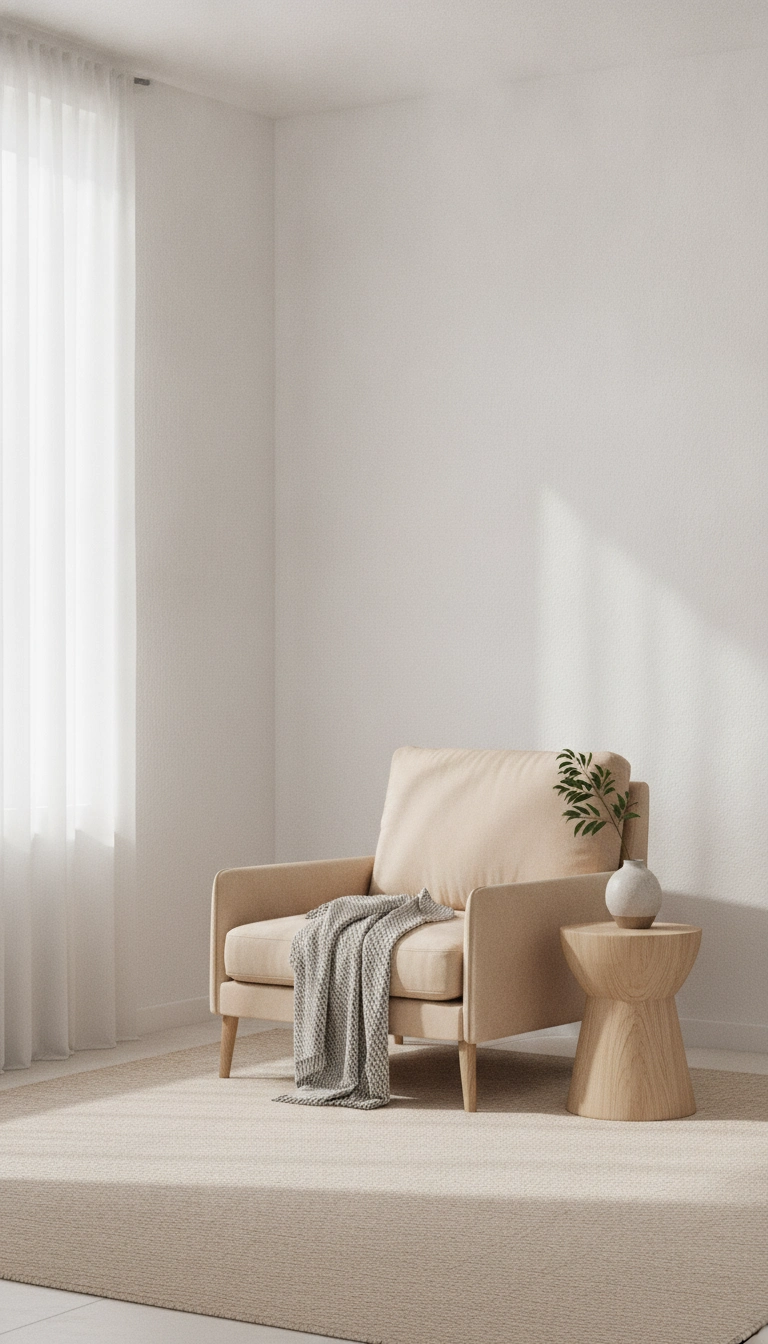
Our colors are designed to hold the light. We build our rooms around chalky whites that catch the early morning sun, pairing them with pale sands and soft, quiet grays. If we bring in deeper tones like deep clay or a muted forest green, we do it in very tiny doses to ground a corner.
How to Mix Hygge Comfort With Rustic Textures
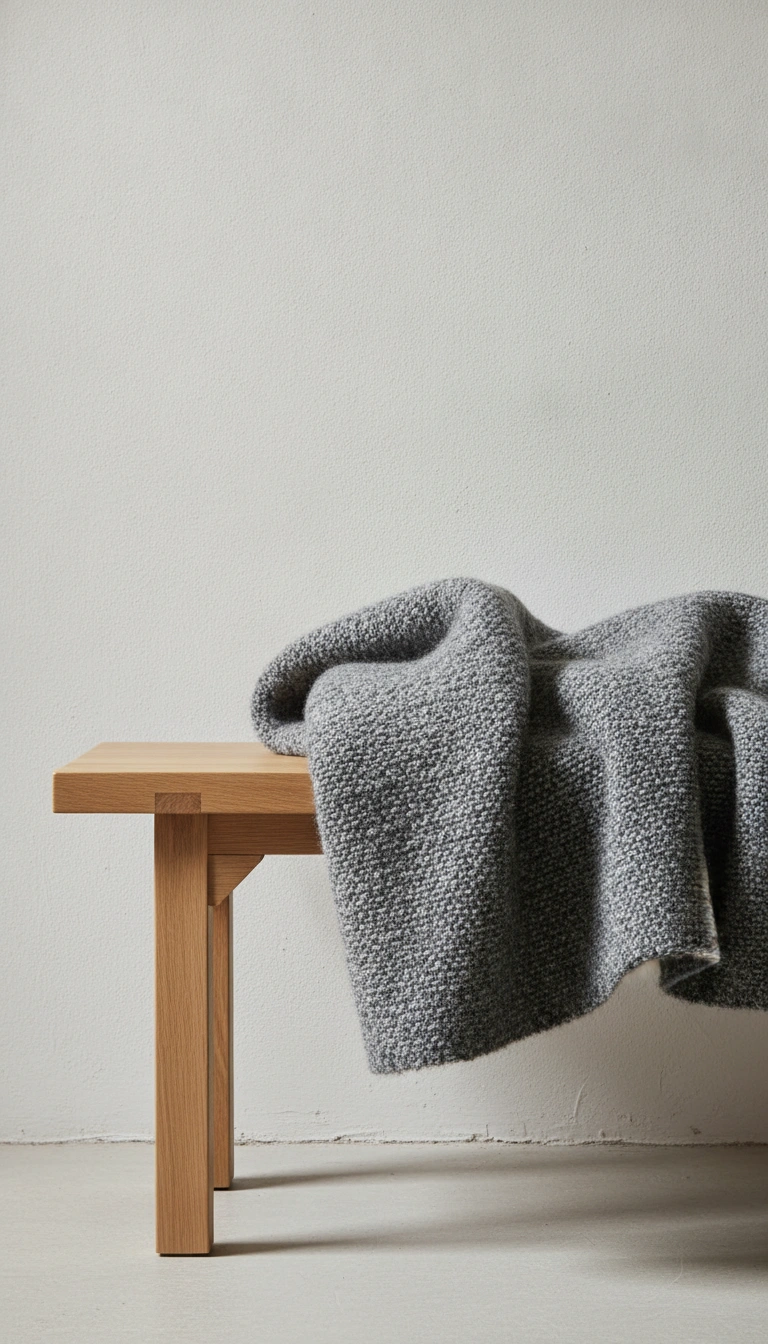
True comfort is about creating contrasting textures instead of adding bulk. A simple, clean-lined timber bench becomes inviting when you drape a heavy, woven wool cloth over the edge. This tension between a clean structural line and a soft, organic surface satisfies both our eyes and our touch.
Rustic Scandinavian Living Room Ideas
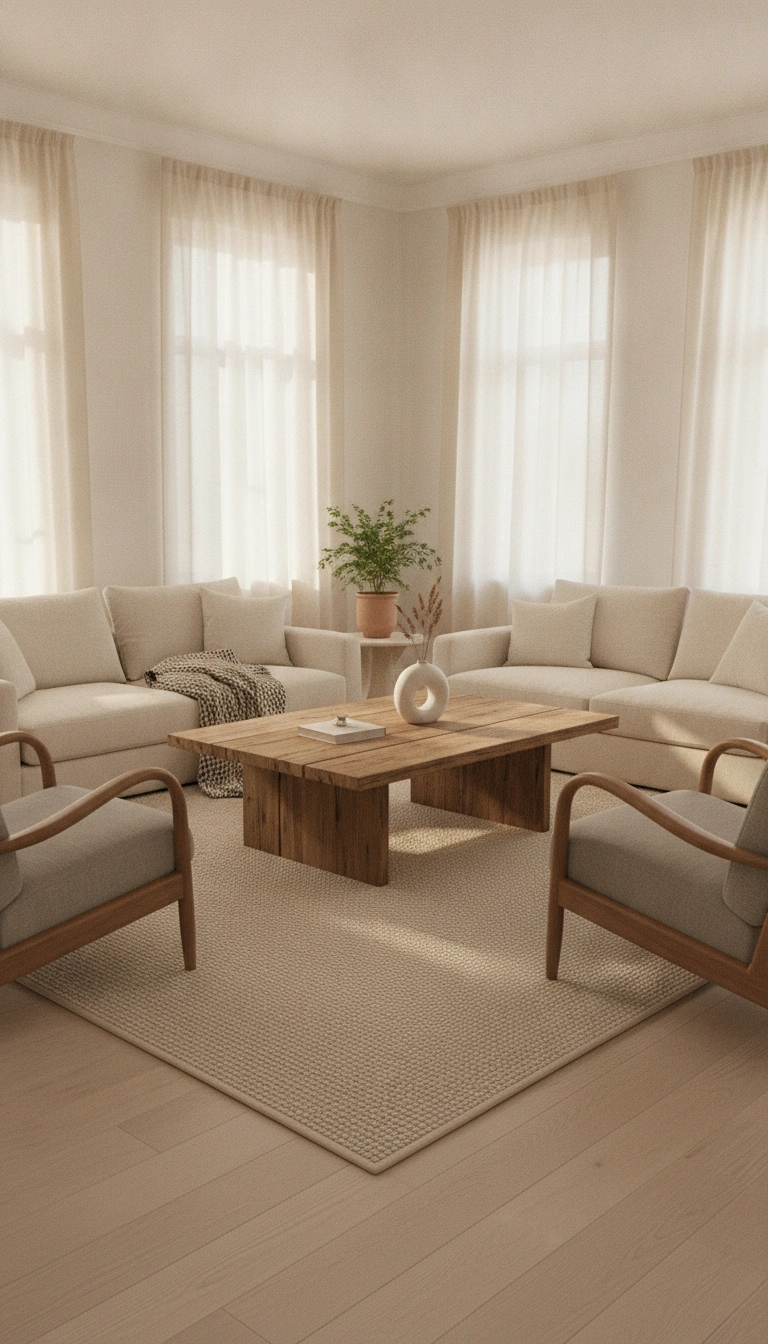
In your living area, pull your seating away from the walls to let the room breathe. Use a low, long timber coffee table as your central anchor. Get rid of anything blocking your windows, opting for sheer linen panels that let the afternoon breeze move through the space naturally.
Creating a Cozy Rustic Scandi Bedroom
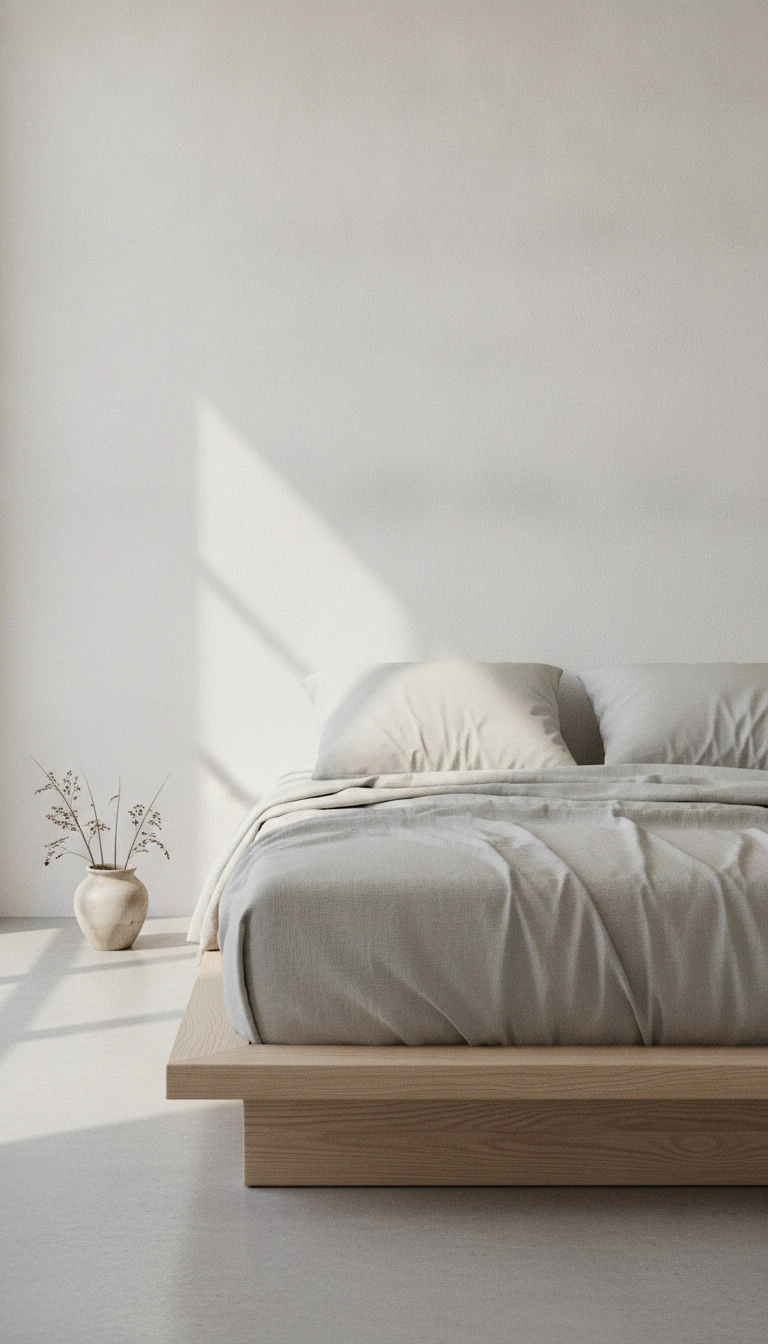
Your bedroom should be a sanctuary of absolute minimalism. Put your bed on a low, simple platform made of pale ash. Do not iron your linen sheets; let the natural wrinkles show the texture. Keep your walls bare to emphasize morning shadows, and use flush wardrobes that blend into the wall.
Kitchen Design: Blending Farmhouse and Nordic Styles
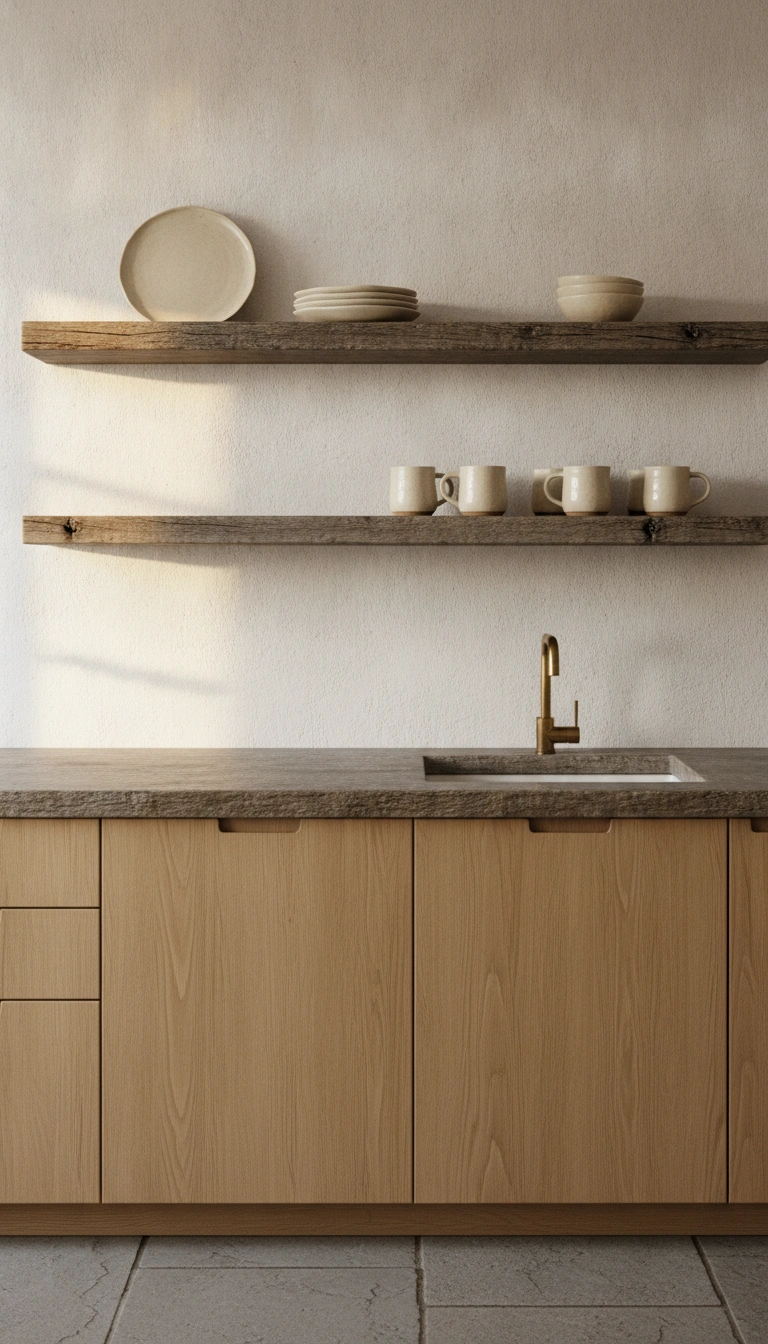
A great kitchen balances farmhouse warmth with clean, flat-panel oak cabinets that lack flashy handles. To keep it feeling open, use reclaimed timber shelves instead of heavy upper cabinets. This lets your daily stoneware sit out in the open, looking beautiful because it is useful.
Open Shelving Rule
Use open shelving only for items you touch daily. This maintains a functional rhythm and prevents the shelves from collecting unused dust.
Choosing Furniture for a Rustic Scandinavian Look
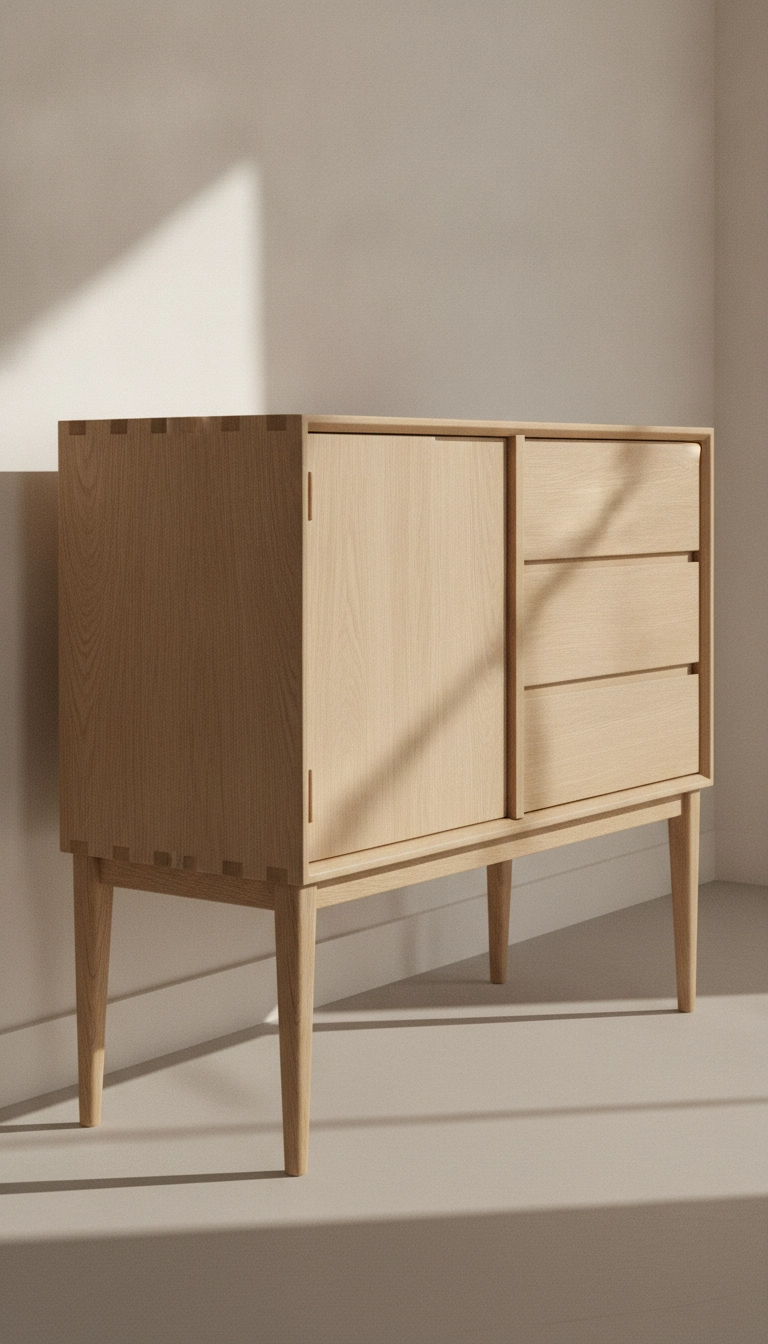
Select furniture with slender, tapered legs that elevate each piece, allowing light and air to circulate underneath. Every piece must serve a clear function with a minimal physical footprint. There is a deep beauty in seeing how a thing is made, showing how the joints fit together honestly.
Lighting Ideas That Enhance Rustic Scandi Interiors
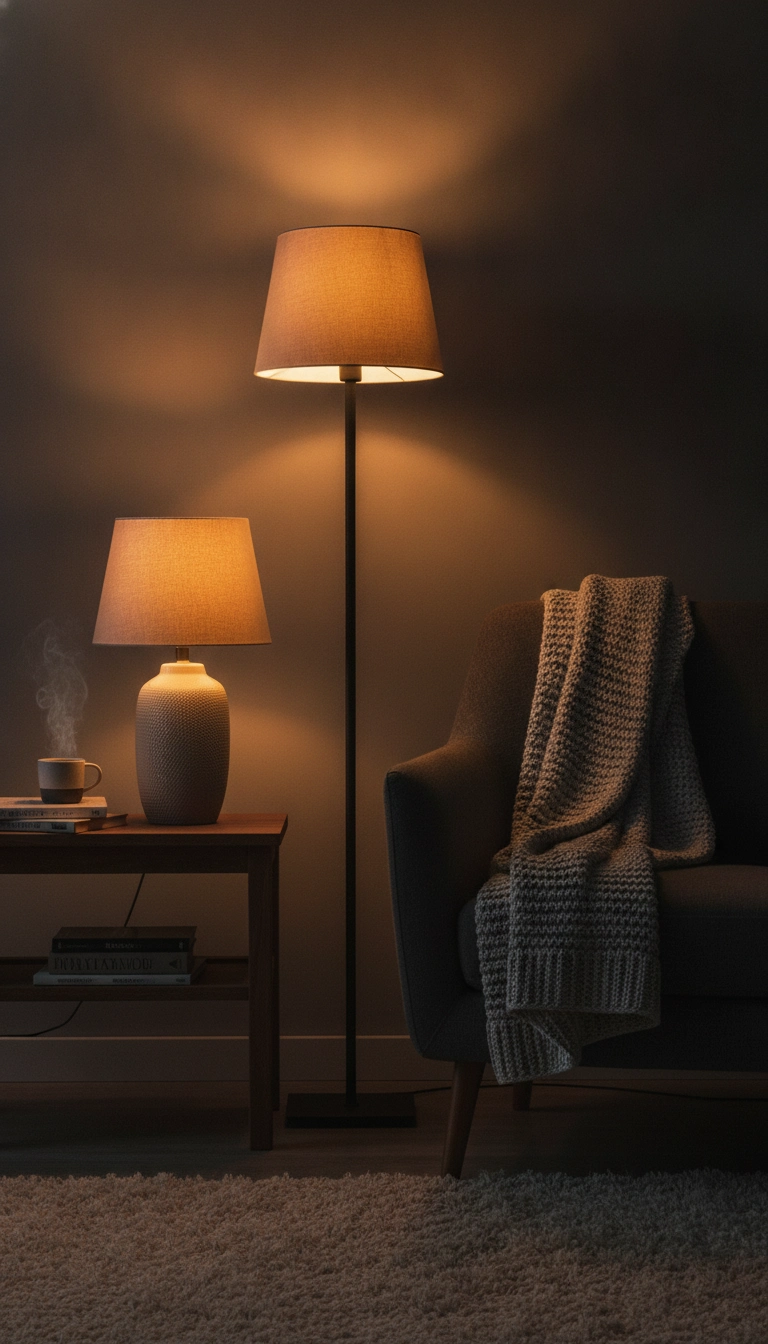
Do not rely on a single bright ceiling light. Instead, place small light sources at different heights throughout the room. Use a slender floor lamp next to a chair and a small lamp on a low shelf, choosing warm bulbs that give off a late-afternoon glow.
Rustic Scandinavian vs. Modern Scandinavian: What’s the Difference?
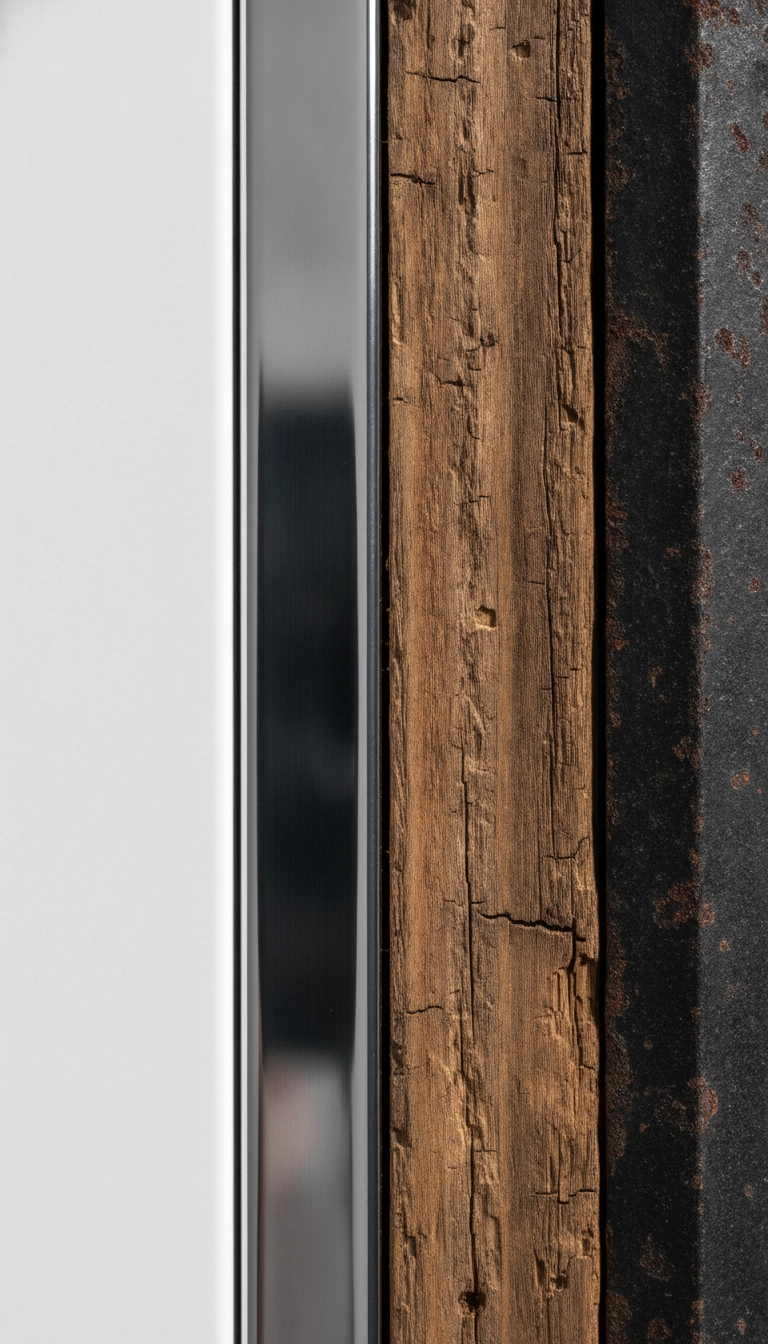
Modern Scandinavian design favors pristine, factory-perfect surfaces like molded plastic and chrome. It is beautiful but sometimes cold. The rustic variation is obsessed with the passage of time and the marks it leaves behind, celebrating the patina of reclaimed wood, forged iron, and rough stone.
Many people confuse these two approaches, so I have created a direct comparison to clarify how they diverge in spirit and execution.
My Take
Modern Scandi looks backward to mid-century industrialism, while Rustic Scandi looks outward to the landscape. Choose the rustic path if you want your home to feel alive and forgiving of daily wear.
Budget-Friendly Tips to Achieve the Look at Home
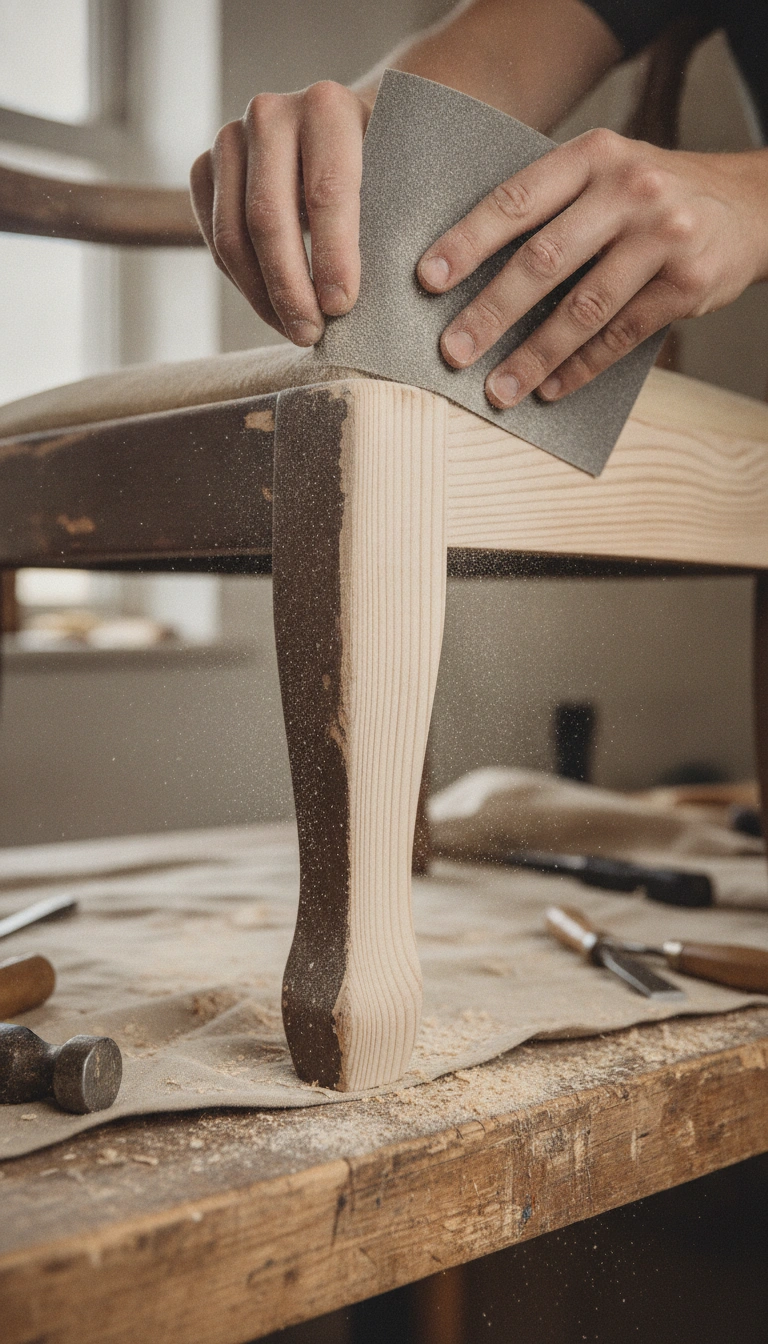
Achieving this look is inexpensive. Start by stripping away unnecessary clutter to reclaim your room’s natural volume. Sand down old, dark wooden furniture to reveal the pale grain underneath, and search local markets for simple vintage stoneware and natural linen.
Common Mistakes to Avoid When Designing Rustic Scandi Spaces
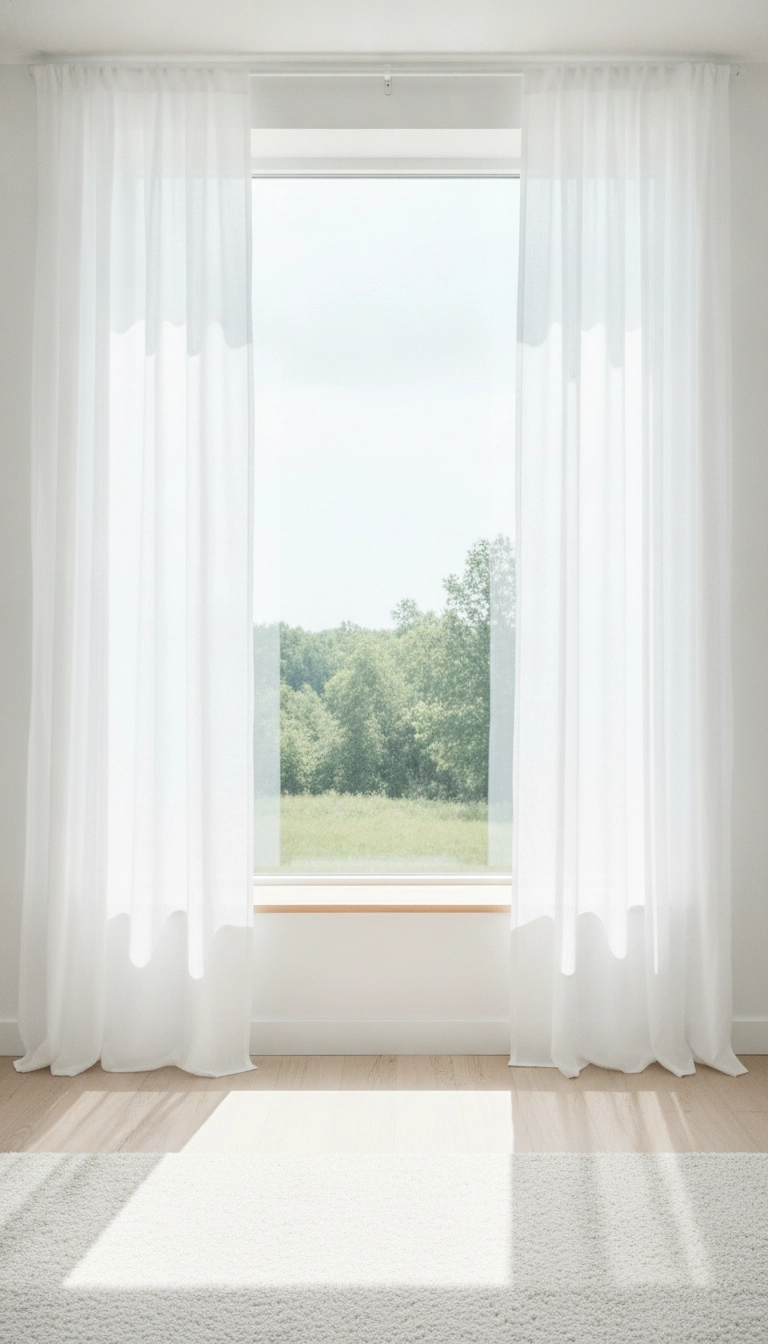
The most common error is introducing too many rough, rustic elements, which makes the space feel dark and heavy. The foundation must always remain light. Avoid blocking your windows, as natural illumination is the very lifeblood of this design philosophy.
Avoid Fabric Overload
Resist the urge to pile too many textured pillows on your seating. Two or three high-quality pieces are far more effective than a mountain of synthetic textiles.
Conclusion: Embrace Rustic Scandinavian Interior Design
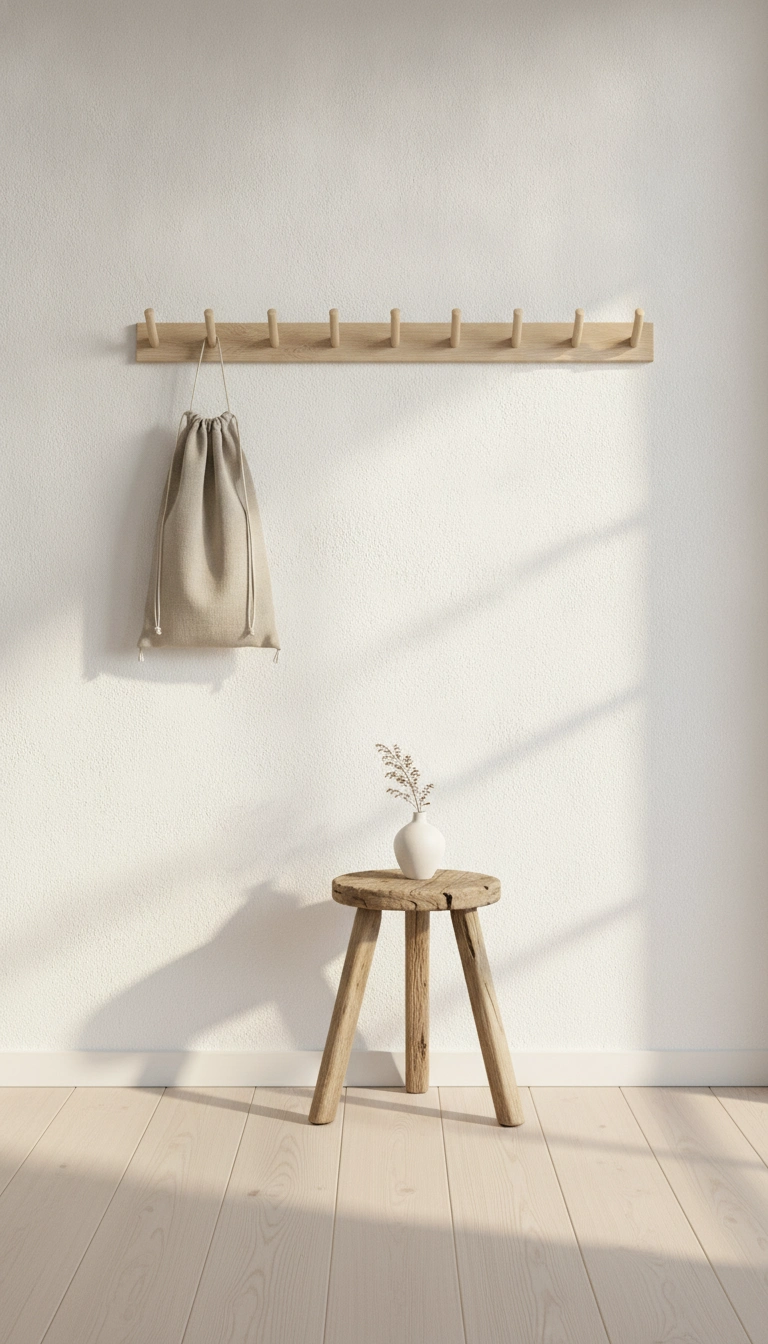
Choosing this path is an invitation to simplify our lives by refining our physical surroundings. By focusing on light architecture, honest materials, and spatial flow, we create homes that nurture our well-being. What steps will you take to let the calming essence of the North into your home?