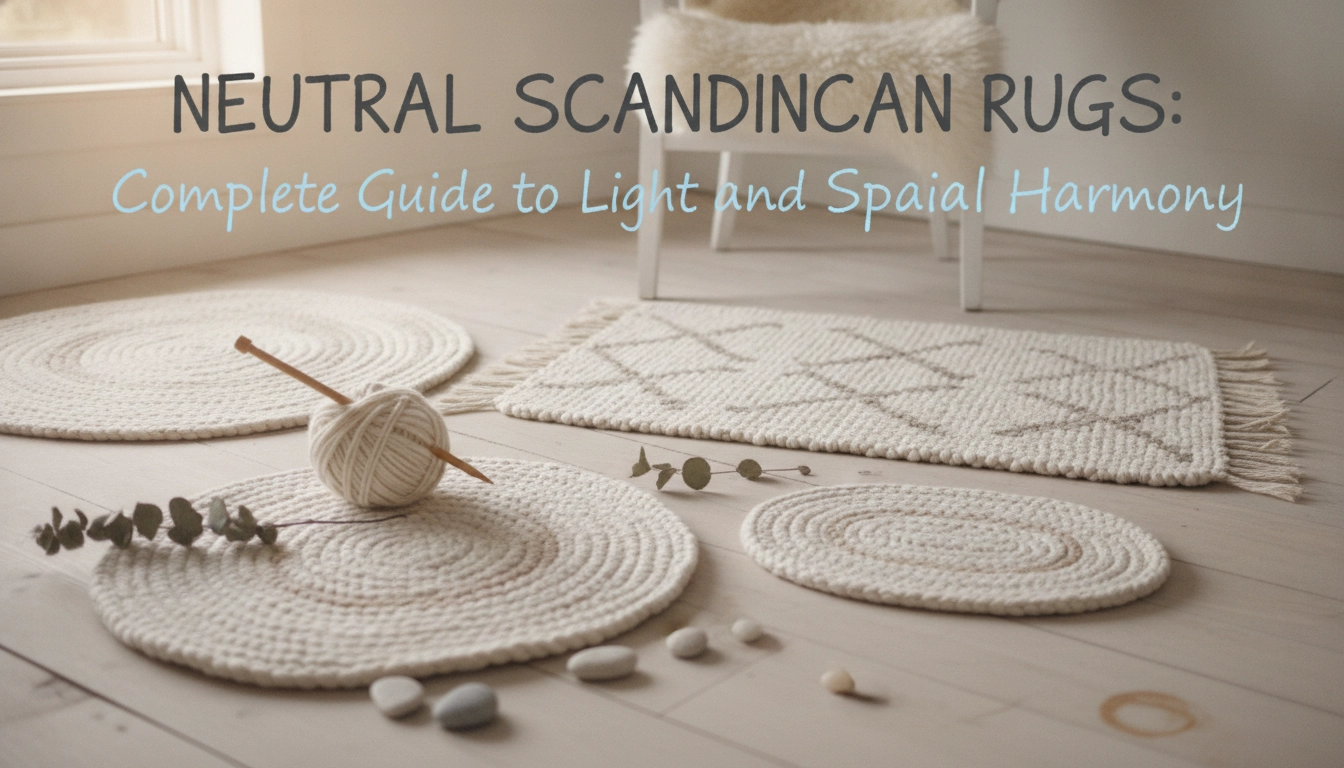
Neutral Scandinavian Rugs: Complete Guide to Light and Spatial Harmony
Most people ruin their living rooms from the floor up without ever realizing it. Look down right now. If your floor feels like a heavy weight dragging the whole room down, that is your problem right there. I was texting Ernest Moreno down on Mockingbird Ln in Palm Bay the other day about this exact issue. Floors reflect light or they kill it. Plain and simple. When you get the base plane wrong, no amount of expensive furniture fixes the space.
Integrating neutral scandinavian rugs into a living area immediately recalibrates the proportion of the space. This simple addition creates a seamless plane that expands sightlines rather than interrupting them.
By using soft tones and clean woven textures, homeowners can effortlessly transform compromised areas into open, inviting environments.
The Spatial Horizon
A light, monochromatic floor plane acts as a reflector, catching low-angle daylight and diffusing it upward into the room to alter perceived spatial volume.
Understanding the Basics of Neutral Scandinavian Rugs
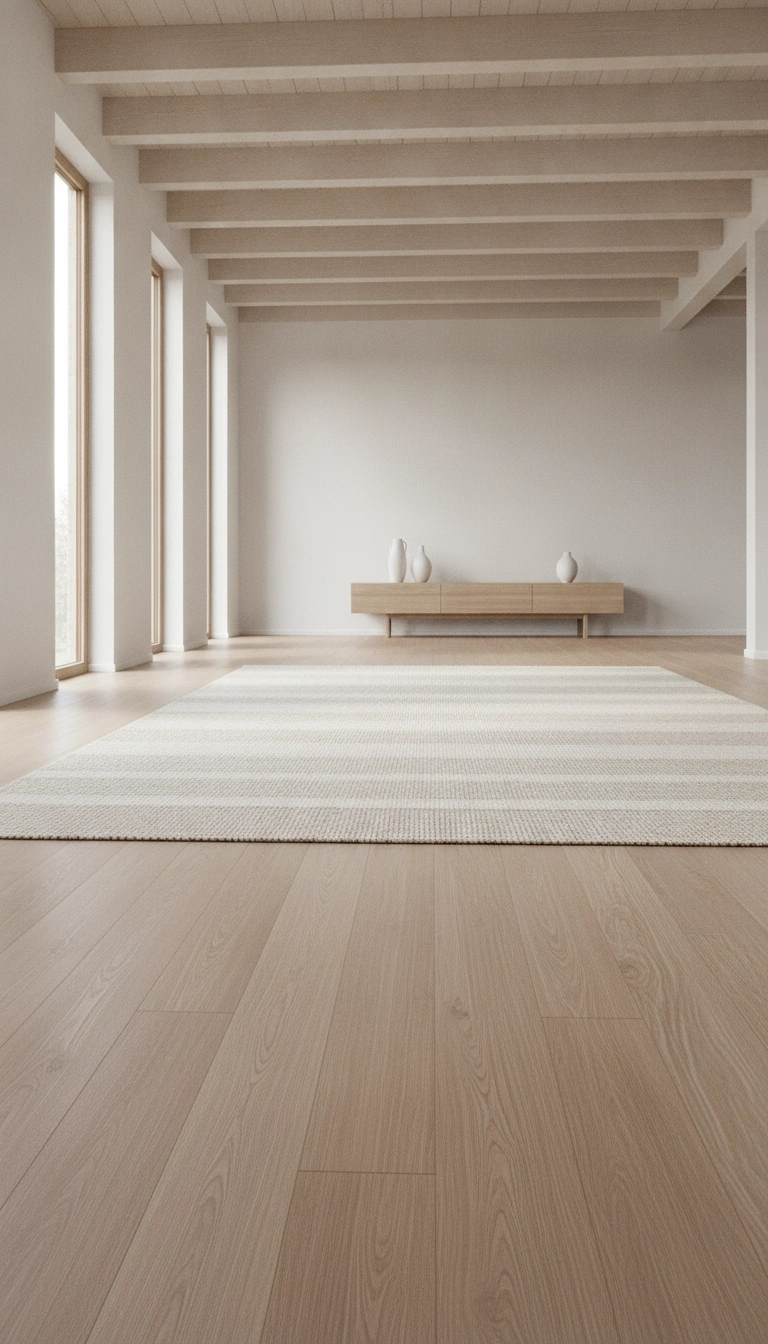
What defines these distinct floor coverings? Neutral scandinavian rugs are understated textile floorings crafted with an emphasis on restrained color palettes, natural un-dyed fibers, and structural simplicity.
Originating from Nordic functionalism, these floor coverings prioritize light reflection, tactile warmth, and continuous spatial flow, serving as a quiet foundation rather than a distracting focal point.
During a recent spatial consultation with Ernest Moreno down in Palm Bay, we tackled a residential layout where low ceiling beams restricted vertical openness.
By introducing a flatweave floor covering in soft bone tones, we instantly expanded the room’s horizontal geometry. This simple adjustment demonstrates how architectural balance relies heavily on what sits beneath our feet. It changes everything about how light moves through an interior envelope.
Why Neutral Scandinavian Rugs Are Perfect for Modern Homes
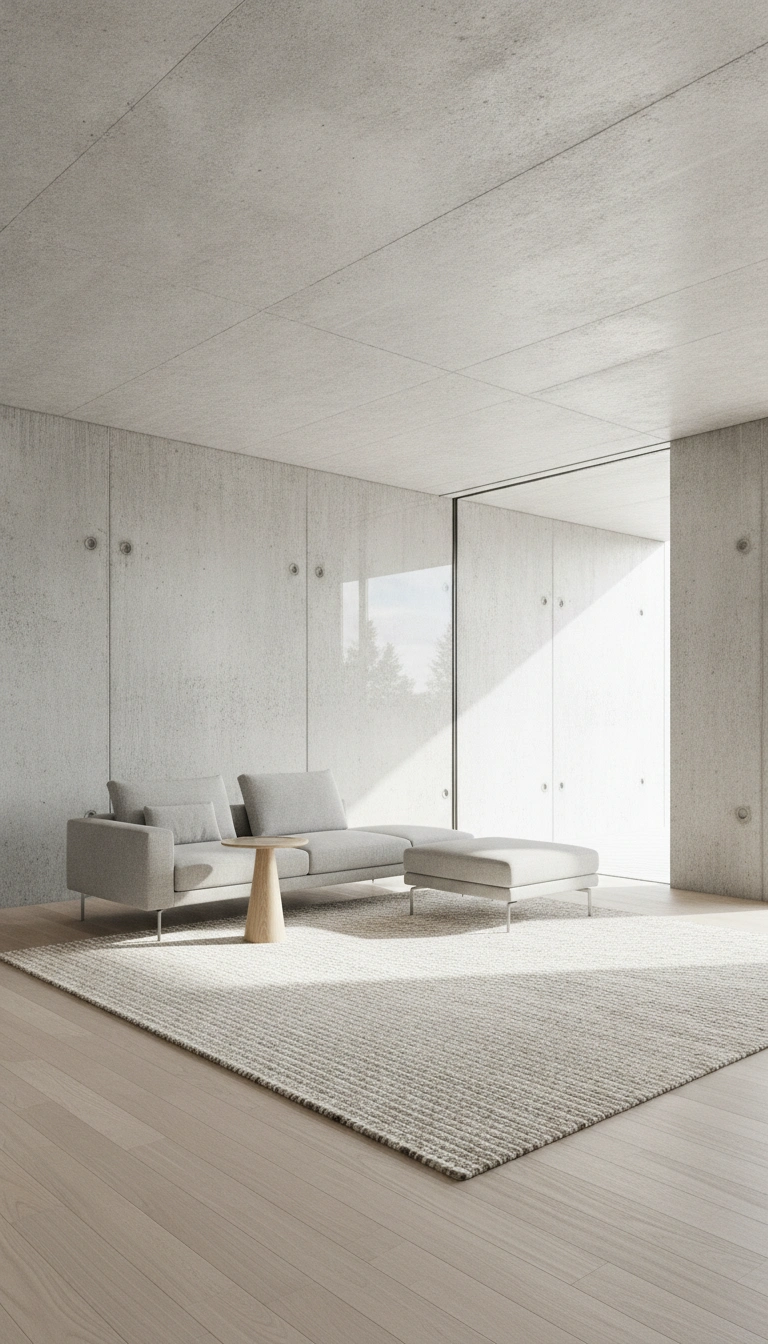
Modern residential interiors thrive on spatial clarity and unencumbered sightlines. These rugs act as both an acoustic damper and a visual ground, bridging raw structural elements like exposed concrete, architectural glass, and pale timber flooring.
Instead of imposing a rigid visual aesthetic, their muted tones absorb excess sensory noise, allowing surrounding furniture pieces to feel lighter and almost weightless.
Furthermore, the adaptability of these floor coverings makes them suitable for a wide range of design aesthetics, from modern minimalist to cozy rustic spaces. They integrate quietly without demanding unnecessary attention.
Pro Tip: Architectural Balance
Pair un-dyed wool weaves with low-profile furniture frames to maximize the uninterrupted expanse of your floor plane.
Key Materials: From Natural Wool to Jute and Cotton
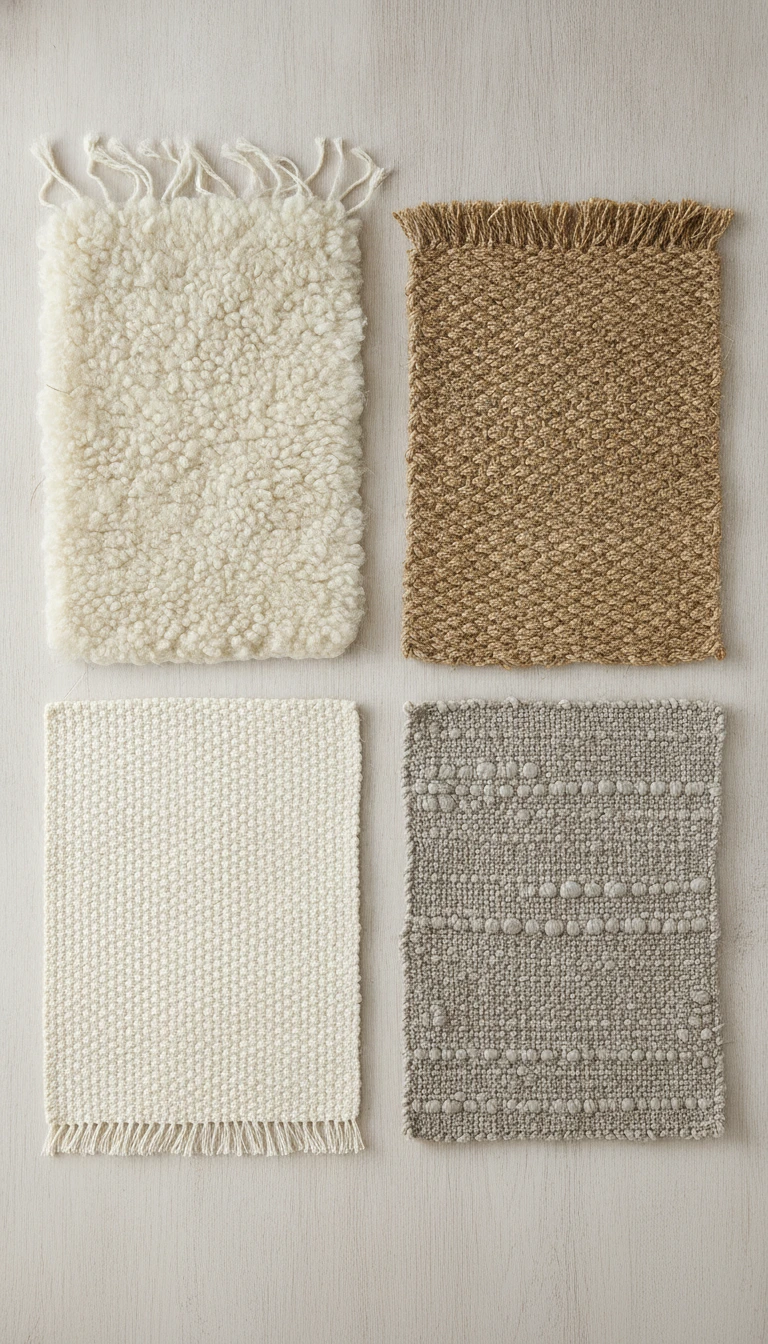
Material selection defines both light dispersion and structural longevity. Natural wool remains the premier material in Nordic textile work because of its natural lanolin coating, which resists soil while reflecting ambient illumination gently.
Jute offers a raw, organic texture that introduces subtle grounding, while organic cotton provides a soft, breathable surface ideal for casual zones.
Linen blends are also gaining popularity due to their unique slub texture and exceptional strength under foot traffic. Choosing the right material changes how the room feels underfoot every single morning.
I mapped out the performance metrics of these core fibers based on durability and light reflection efficiency.
My Take
Wool remains the benchmark material when you want to bounce natural light deep into a room while securing long-term structural resilience.
Exploring Textures: Flatweave, High-Pile, and Tufted Designs
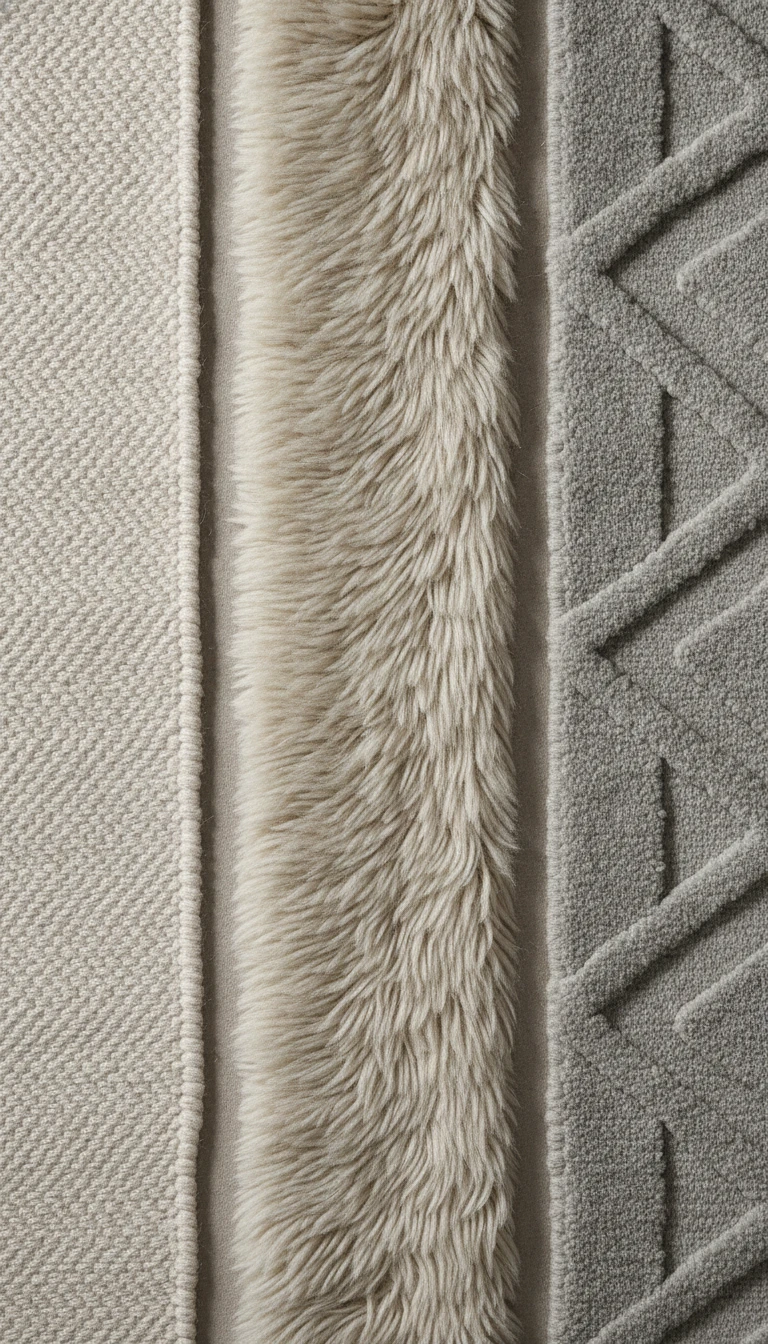
Texture serves as the primary substitute for vibrant color in Nordic architectural thinking. A tight flatweave creates a crisp, architectural boundary ideal for high-traffic zones and under dining tables.
In contrast, a high-pile rya style introduces deep tactile comfort, trapping light within its long fibers to create soft shadow play across the floor.
Tufted variations offer structured geometric reliefs that add subtle depth without introducing visual chaos or unwanted busyness to the overarching room design.
To clarify how distinct weave structures manipulate light and floor planes, review this structural breakdown.
My Take
Always choose tight flatweaves for multi-use living rooms where clean sightlines and effortless furniture mobility are essential.
How to Style a Neutral Scandinavian Rug in Your Living Room
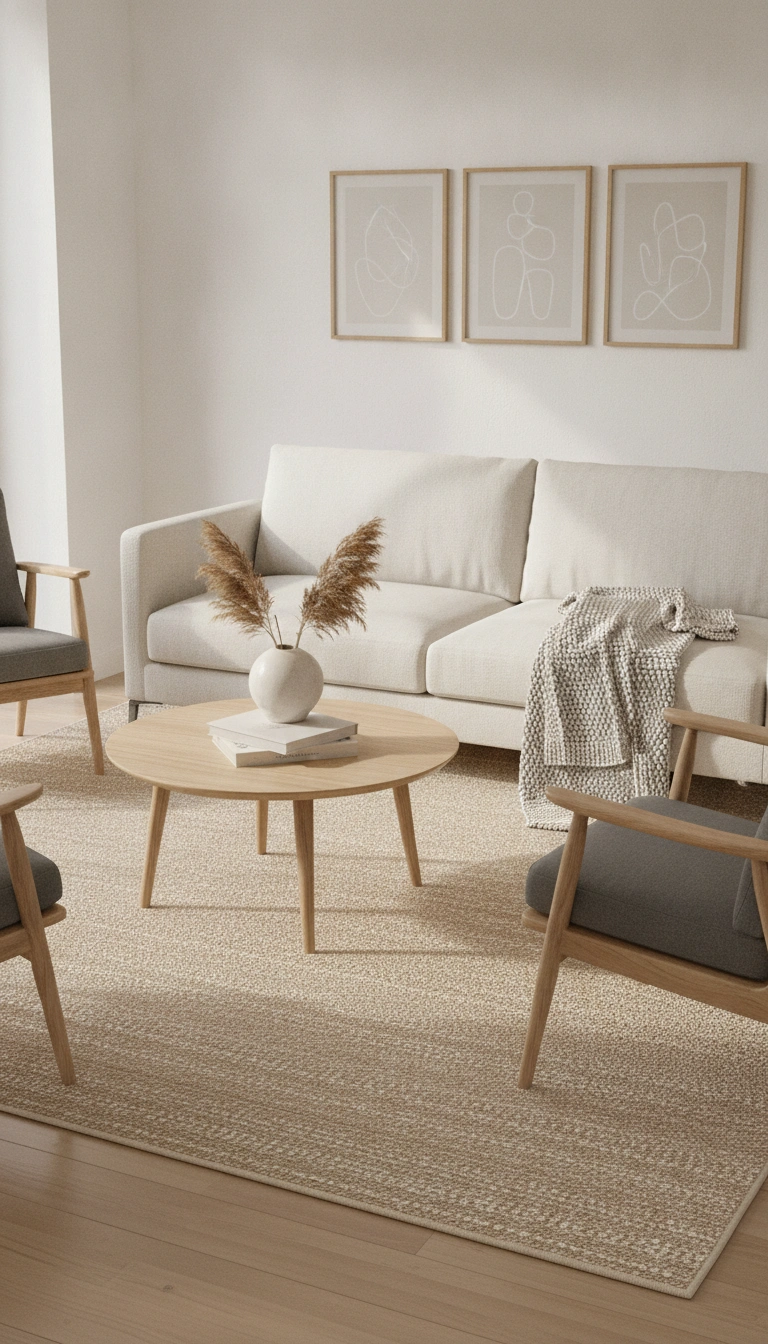
In the living area, your floor textile should serve as the spatial anchor that binds separate seating elements into a unified lounge landscape.
Position the front legs of all principal furniture pieces directly on the weave to establish clear functional zones within an open floor plan.
Choose soft off-white or sandy tones to contrast softly against darker architectural elements like iron window frames or deep oak cabinetry.
To create additional depth, consider layering small natural accent pieces near reading nooks or entry pathways. Small decisions compound into big visual changes.
Creating a Serene Bedroom with Minimalist Rugs
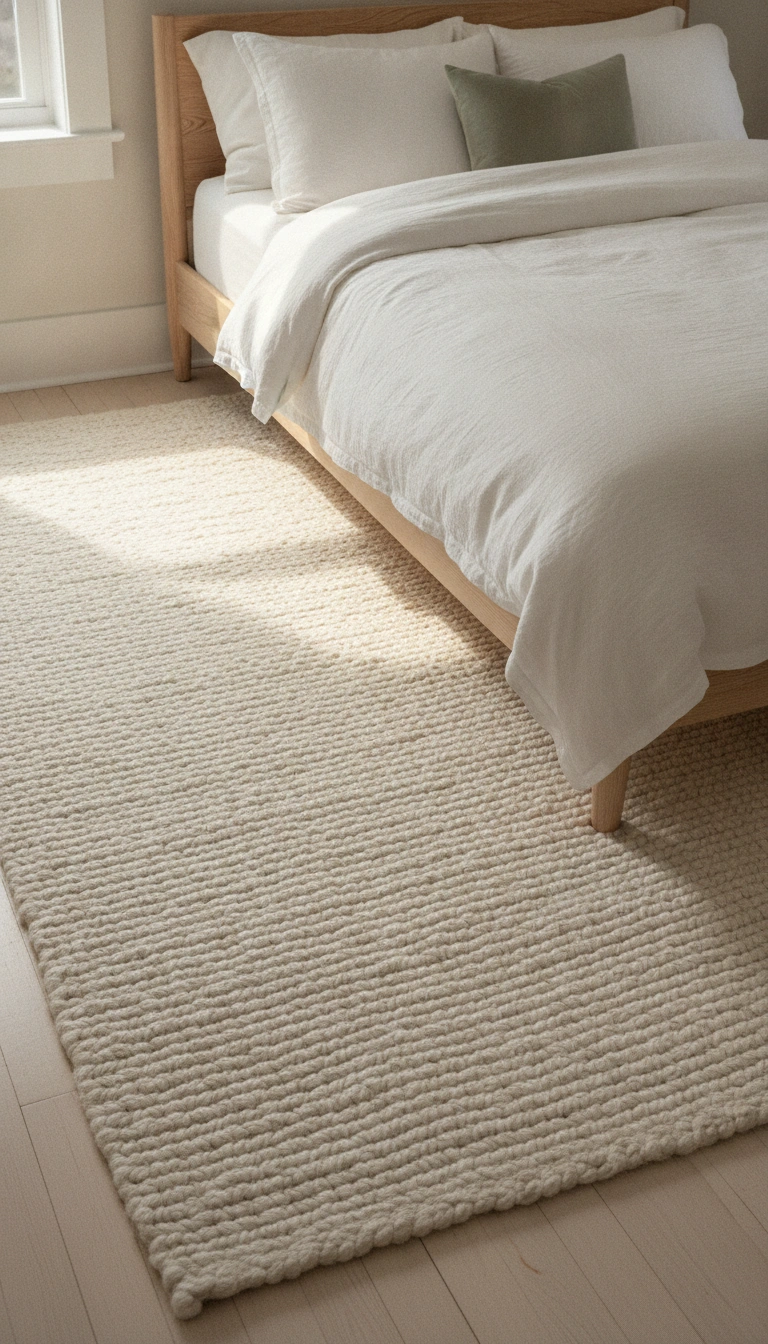
Bedrooms require a deliberate softening of acoustics and visual stimuli to encourage psychological rest and relaxation.
Placing a large, textured wool weave beneath the lower two-thirds of the bed frame creates a gentle landing surface that extends outward, amplifying warmth throughout the perimeter.
The subtle tone-on-tone variations offer immediate tactile grounding the moment you step out of bed each morning. It settles the entire room geometry instantly.
Placement Alert
Avoid placing small, undersized runners next to a large bed frame, as this fragments the room geometry and diminishes the feeling of spaciousness.
Choosing the Right Color Palette: Creams, Beiges, and Muted Grays
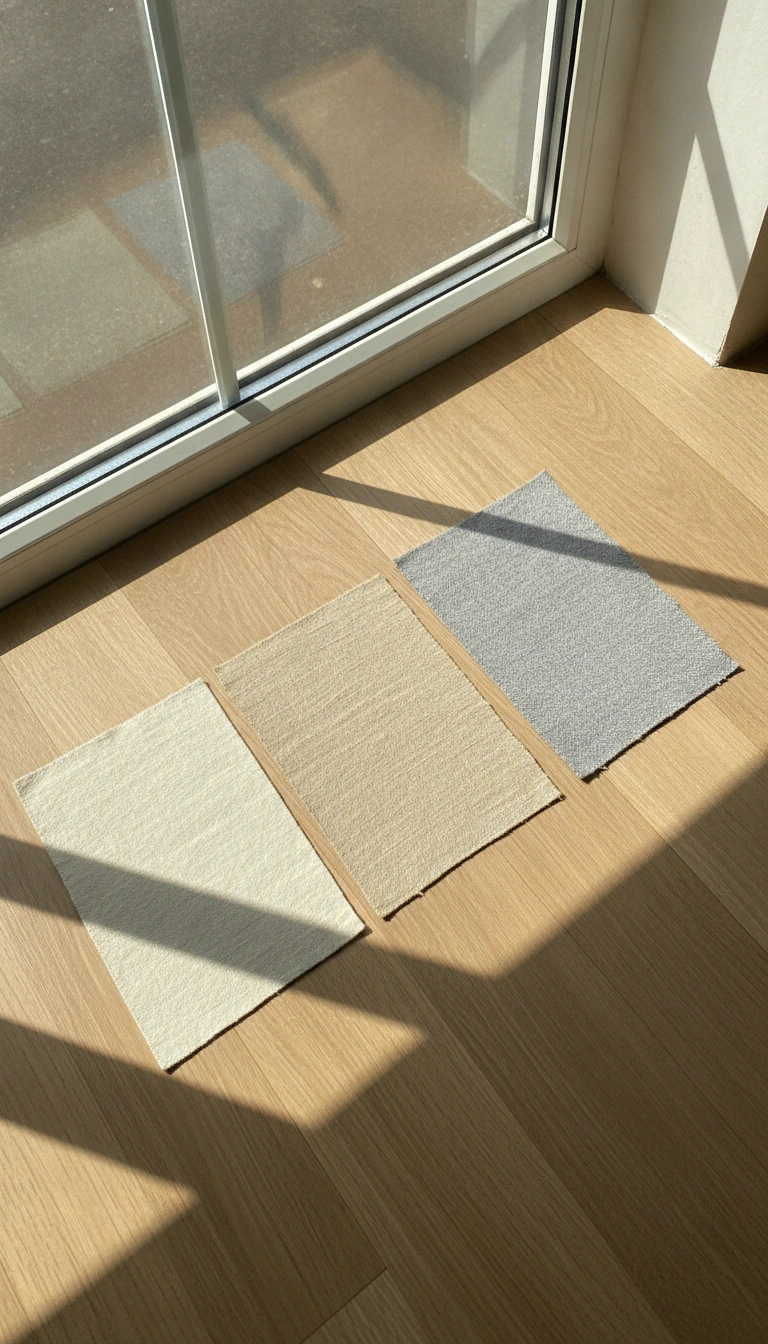
Color choices in Nordic floor textiles are never accidental; they directly mirror Northern atmospheric conditions.
Creams bounce daylight into shadow-prone areas, warm beiges balance cool structural concrete, and muted chalky grays soften harsh perimeter lines.
The overarching objective is monochromatic subtlety where soft tone shifts replace harsh graphic contrast, maintaining visual serenity across all connected rooms.
Here is how different atmospheric tones alter room volume and lighting quality.
My Take
Test your textile samples under morning and evening daylight before deciding, as neutral tones shift dramatically with changing sun angles.
How to Select the Perfect Size and Placement for Your Space
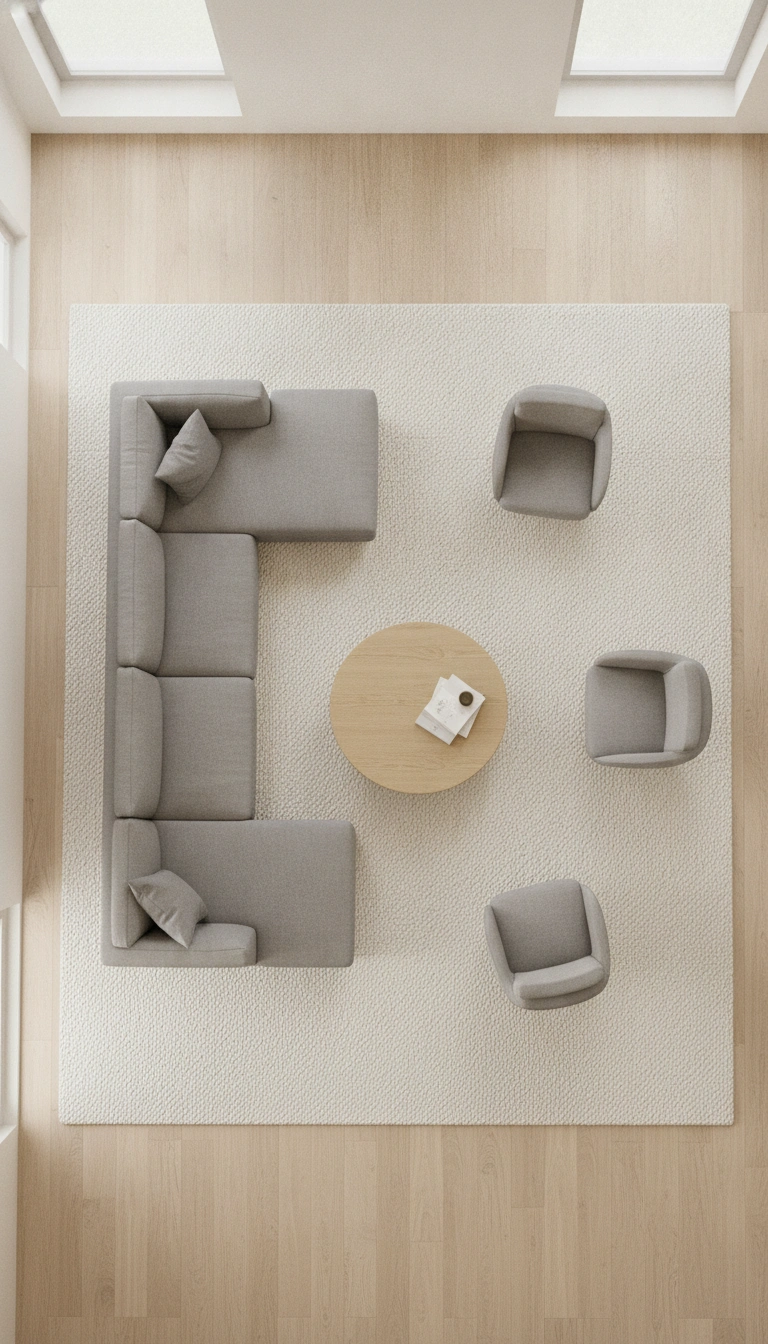
Proportion is everything in spatial planning. A rug that is too small pinches the room, making the surrounding furniture layout feel disjointed and restricted.
Ensure your chosen textile extends at least eighteen inches beyond the outer perimeter of your seating arrangement to maintain proper spatial balance and continuous flow.
When measuring your room, always leave a consistent border of exposed flooring near the walls to create a natural frame for the floor covering.
Proper spatial proportion requires careful alignment between your furniture layout and rug borders.
My Take
Sizing up is almost always the right architectural move because an undersized rug fragments the plane and shrinks the room.
Essential Care and Cleaning Tips for Light-Colored Rugs
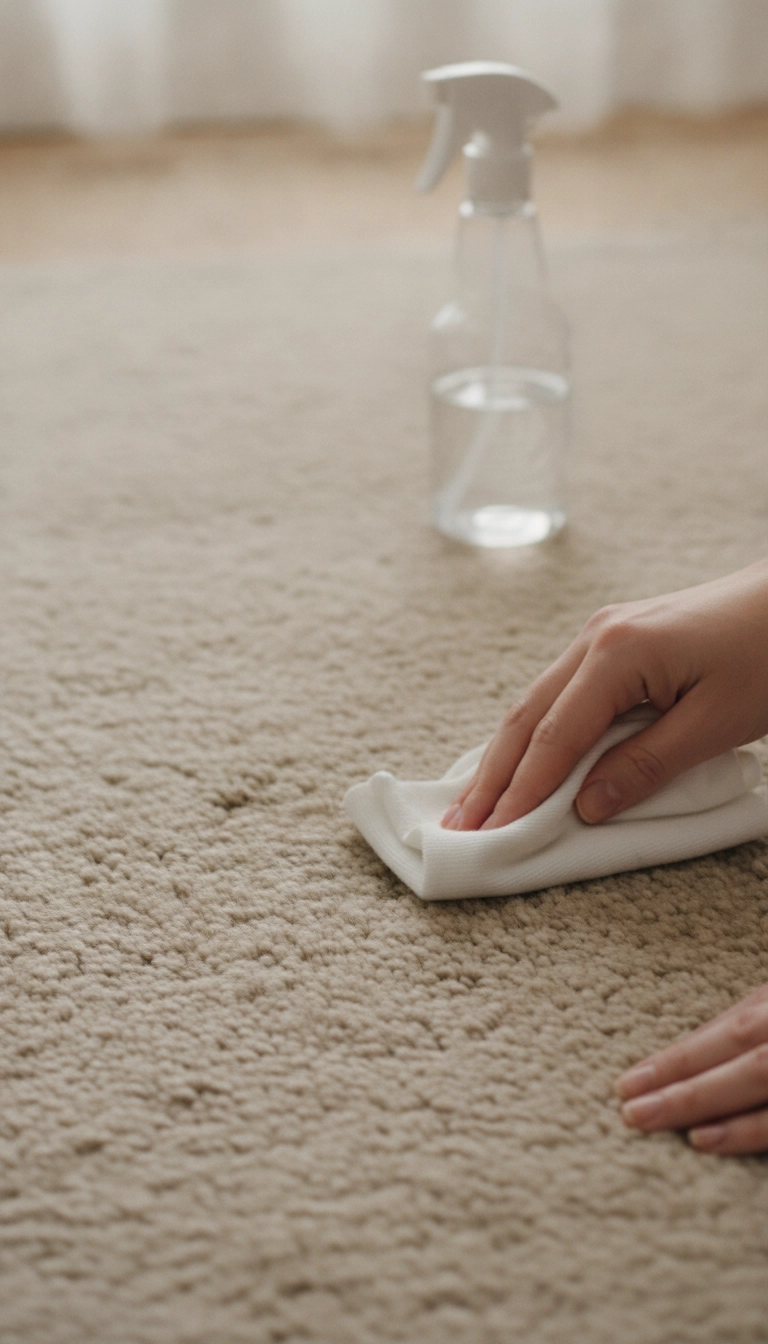
Maintaining light-toned textiles requires systematic care rather than drastic interventions.
Regular vacuuming without a harsh beater bar preserves natural fiber integrity and prevents grit from settling into the weave foundation.
For accidental spills, gently blot the liquid with an un-dyed cloth using lukewarm water and mild soap, working carefully from the outer edge inward.
Annual professional cleaning using dry extraction methods can also help maintain natural fiber luster without risking fiber shrinkage or water damage.
Keeping light textiles in prime condition comes down to simple preventive routines.
My Take
Never scrub natural wool fibers when treating a spill because aggressive friction distorts the weave and damages the wool’s protective lanolin.
What to Look for When Buying Neutral Scandinavian Rugs
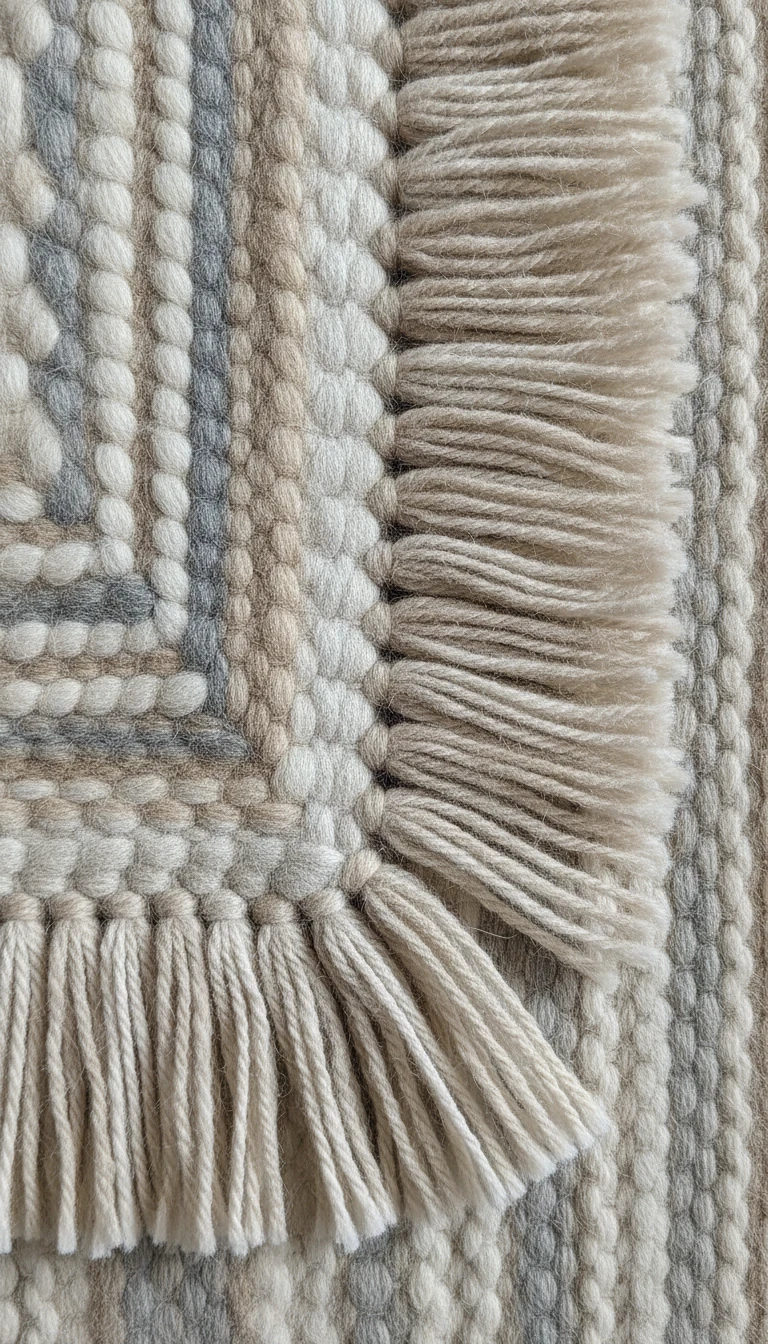
Authenticity lies in structural craftsmanship and raw material purity. Look for authentic hand-woven construction, un-dyed natural fibers, and meticulously finished edge details that reflect traditional weaving heritage.
Avoid synthetic backings that trap moisture and restrict the natural flexibility of the floor plane.
Investing in high-quality artisan floor coverings ensures longevity while maintaining the light-diffusing qualities essential to Nordic interiors.
Conclusion
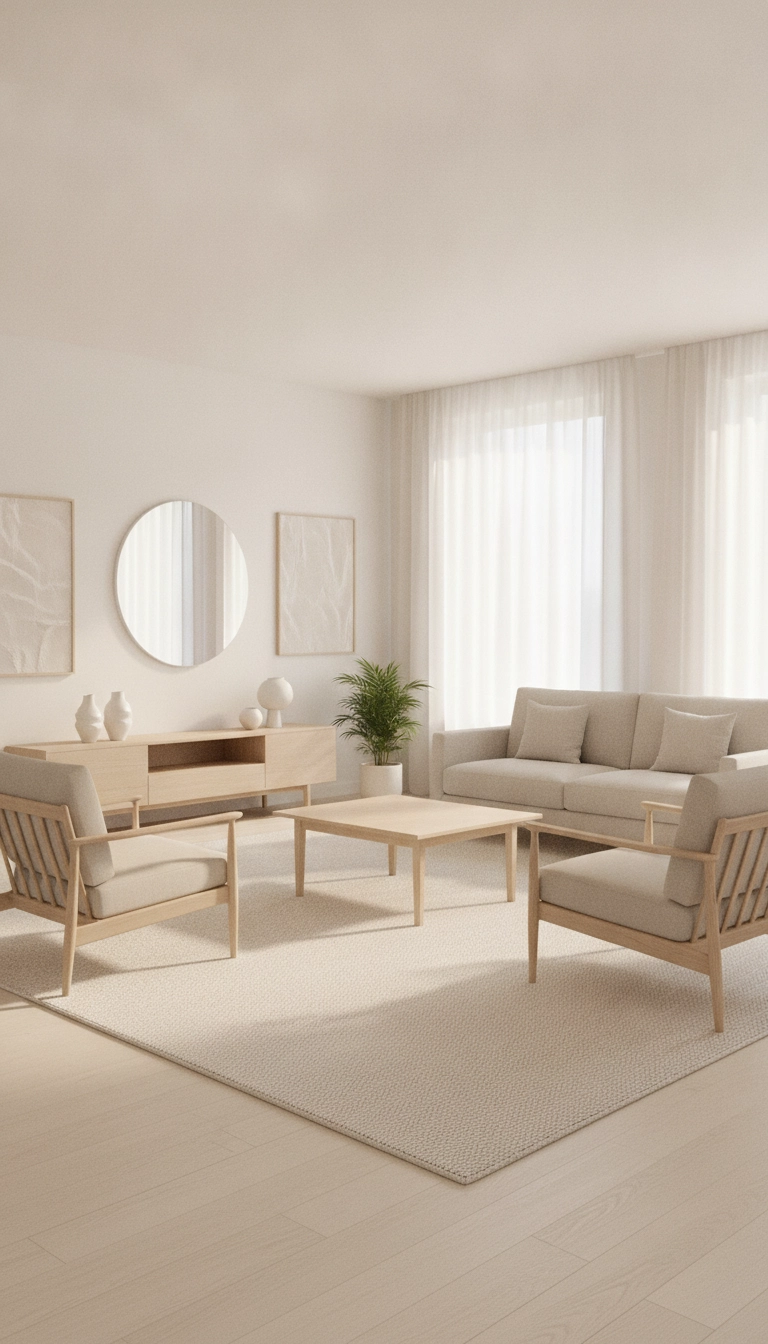
Selecting authentic neutral scandinavian rugs is an architectural decision that transcends simple interior decoration.
By prioritizing pure natural materials, intentional surface textures, and light-reflecting color palettes, you construct a serene, expansive home grounded in Nordic spatial wisdom.
Have you experimented with low-profile weaves to open up your own living area? Share your spatial queries and design experiences with our community below.