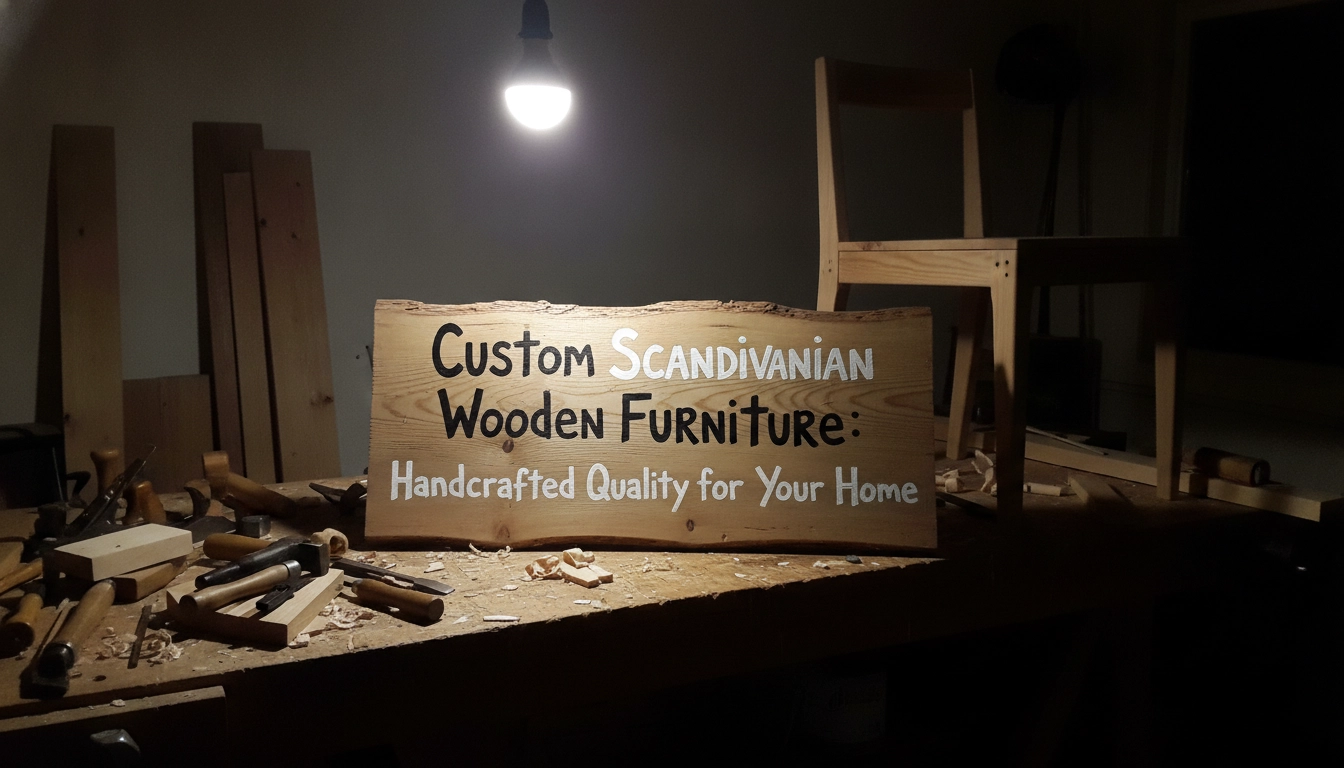
Custom Scandinavian Wooden Furniture: Handcrafted Quality for Your Home
Most mass-market dining tables start wobbling within two years because the internal joints are glued paper dust. I saw it again last week at Ralph Rodriguez’s place over on Cackson St in Anaheim. His trendy credenza was already bowing down the middle. Real timber does not do that. When you buy custom scandinavian wooden furniture, you pay for raw physics, grain selection, and joinery that holds under weight. You either buy real wood built right, or you buy landfill junk every five years. It’s that straightforward.
Understanding the Basics of Custom Scandinavian Wooden Furniture
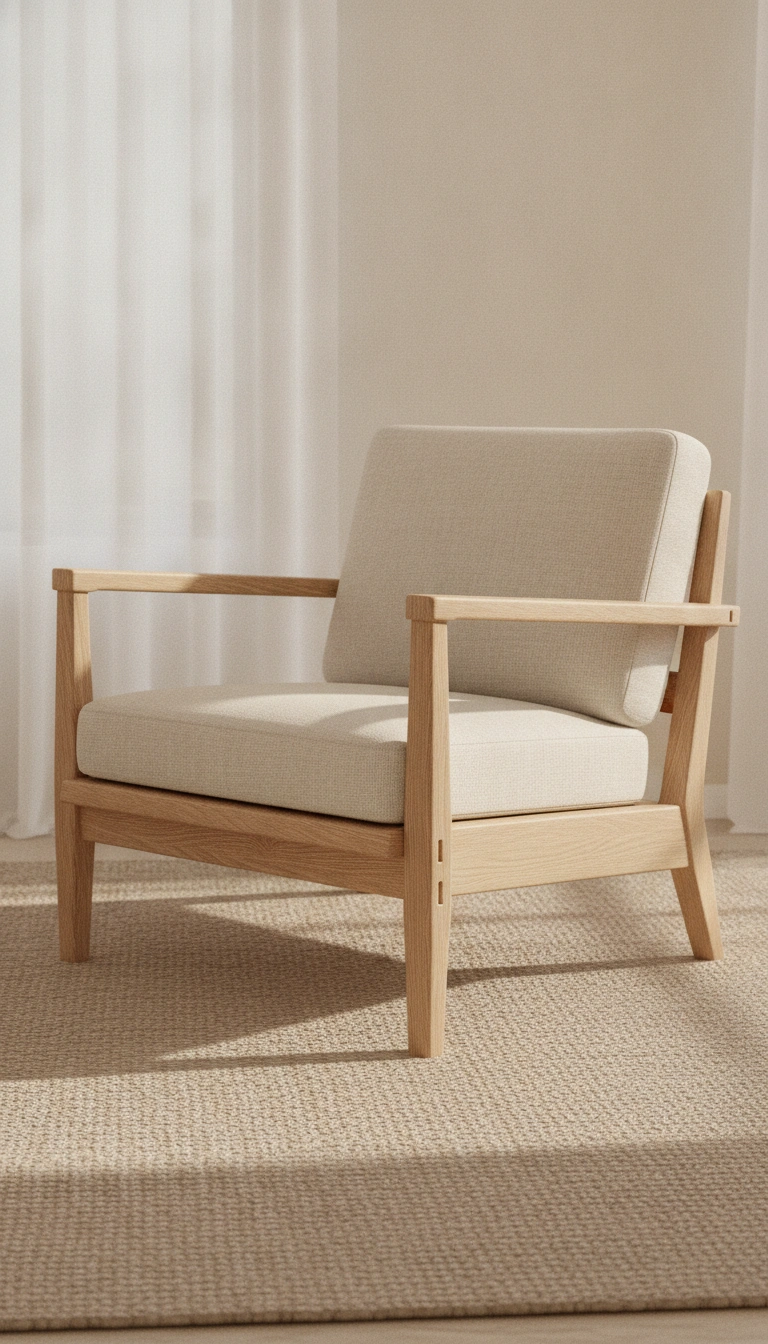
So what is custom scandinavian wooden furniture when you cut past the showroom talk?
It is simple.
It means individual timber pieces built to order around clean geometric angles, dense natural hardwoods, and tactile organic upholstery like raw wool or unbleached linen. No factory shortcuts. You get proper ergonomic support paired with joinery built to stay tight for fifty-plus years.
When I was inspecting a solid white oak setup recently for Ralph Rodriguez out in Anaheim, the difference between surface looks and real structural engineering stood out right away.
True Nordic woodwork relies on open dovetails and tight mortise-and-tenon joints. It uses light plant oils so the wood fibers breathe. Combine those sharp geometric frames with soft natural fabrics, and you get balanced room architecture you can actually sit on comfortably.
The Essence of Nordic Joinery
Scandinavian furniture relies on traditional wood joints like lap and bridle connections. These methods accommodate natural timber expansion without compromising structural integrity.
Wood Types in Custom Scandinavian Wooden Furniture: Oak, Walnut, Pine & Birch
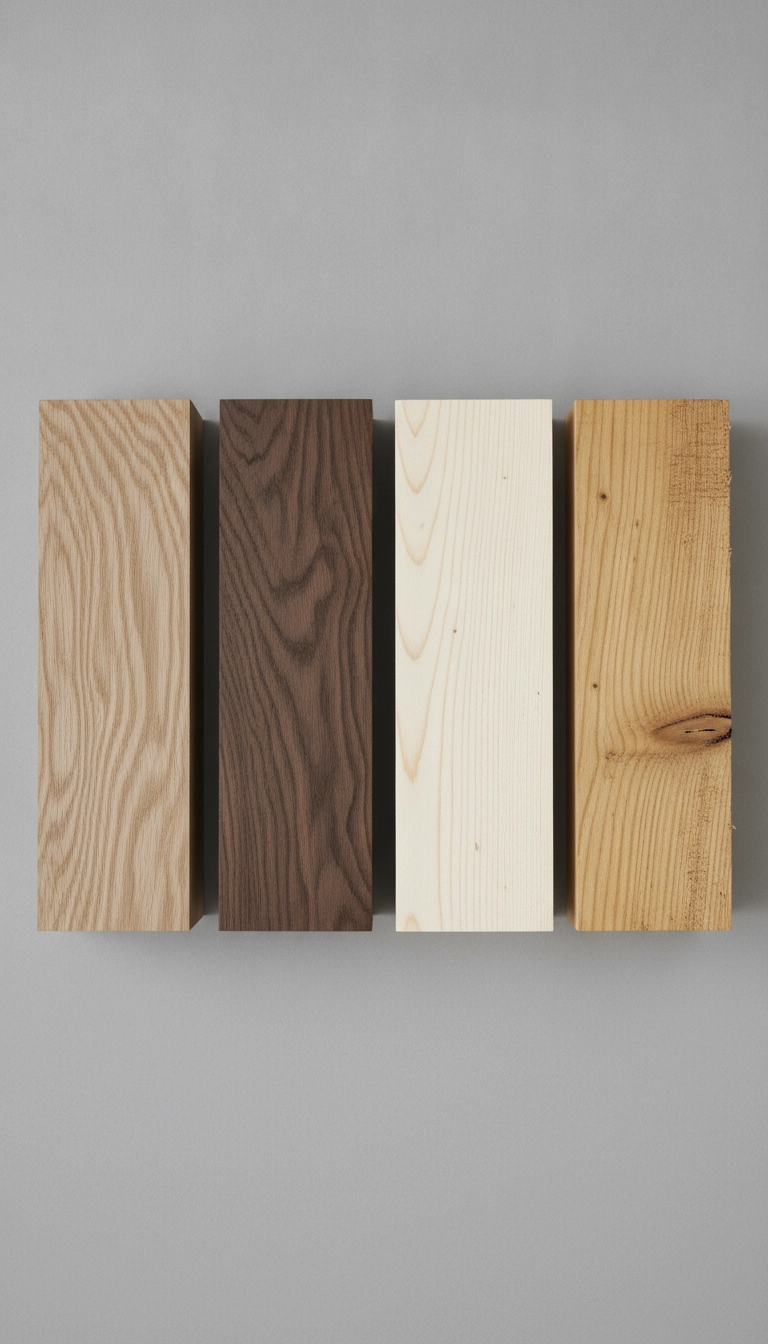
The lumber you pick sets the structural lifespan and sensory depth of the whole piece.
European solid white oak sits right at the top. Its annual growth rings are tight, giving it massive density and resistance against daily battering. That makes it my top recommendation for heavy dining surfaces and load-bearing legs. You can feel the distinct open grain texture under your fingers.
American walnut brings dark visual weight. It creates bold contrast in clean white rooms, working great for big visual anchor points like sideboards.
Pine and birch are classic Nordic woods. Pale hues, quiet grain lines, and great light reflection. Birch brings incredible flex strength for steam-bent chair rails, while slow-grown heartwood pine ages into a warm honey shade over a few decades.
Match the wood species to your room traffic, natural sunlight, and maintenance tolerance so your furniture fits right into your daily routine.
Selecting Timber Density
Opt for white oak or walnut in high-traffic dining zones. Save softer woods like pine for accent shelving or bedroom nightstands where heavy mechanical impact is minimal.
Here is how these four core timbers compare across structural density, visual characteristics, and optimal placement in your home.
My Take
When clients ask me where to invest their budget, I always advise choosing European white oak for primary contact surfaces. Its density withstands decades of daily use while providing a magnificent natural texture.
Custom vs. Ready-Made: Evaluating Custom Scandinavian Wooden Furniture Investments
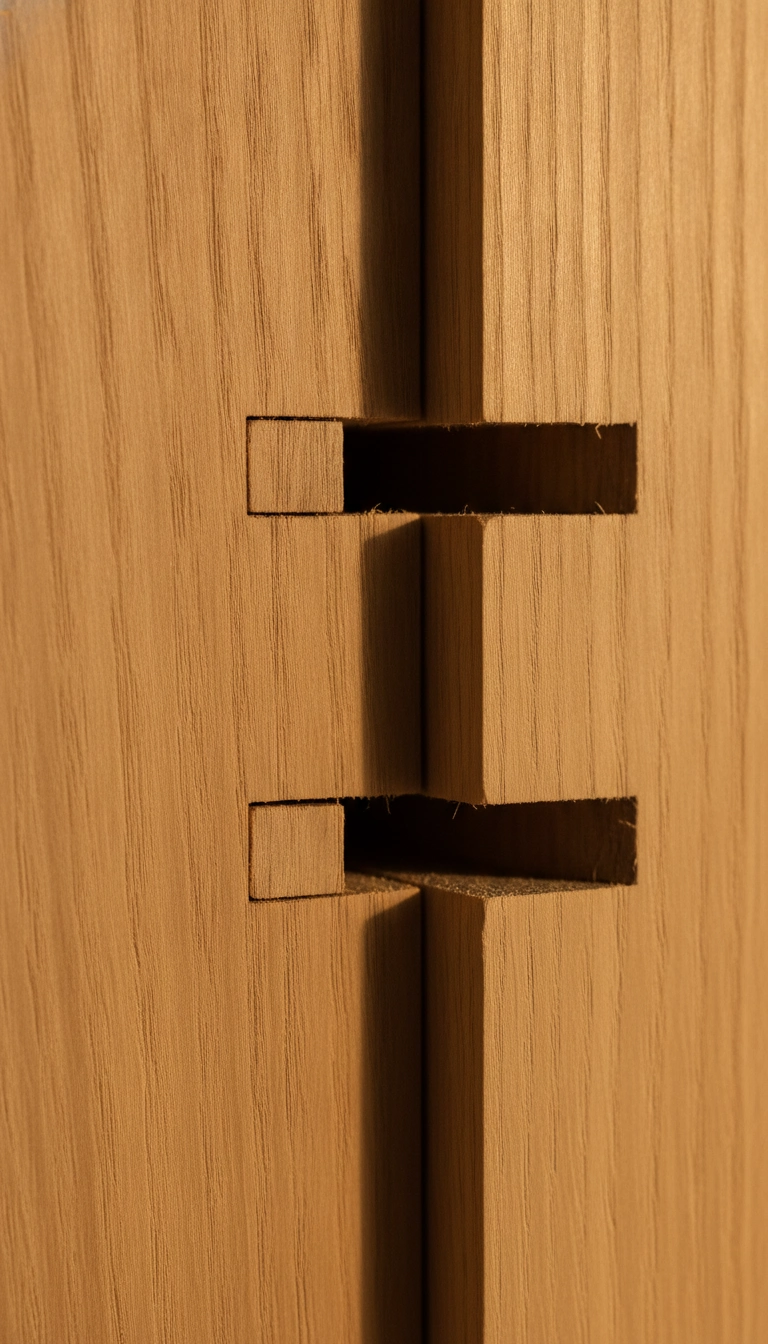
Bespoke Nordic pieces require real money upfront, but standard showroom furniture drops its value fast. Factory items rely on thin wood veneers, toxic glues, and flimsy metal brackets that strip out after basic home use.
Tailored joinery uses thick hardwood boards. You can sand them down, re-oil them, and hand them down to your kids.
Here is a clear visual breakdown comparing the expected mechanical lifespan across different fabrication methods.
My Take
The long term financial calculation always favors solid bespoke framing. Paying more upfront eliminates the recurring cycle of replacing broken particle board furniture every few years.
Custom sizing also stops weird gaps along your walls. Matching table length, seat height, or sideboard depth directly to your room layout makes the space feel complete.
When buying custom, your budget goes into raw timber quality and master builder labor. Not markup fees, ocean freight, or retail marketing campaigns.
The Design Process: From Concept to Finished Custom Piece
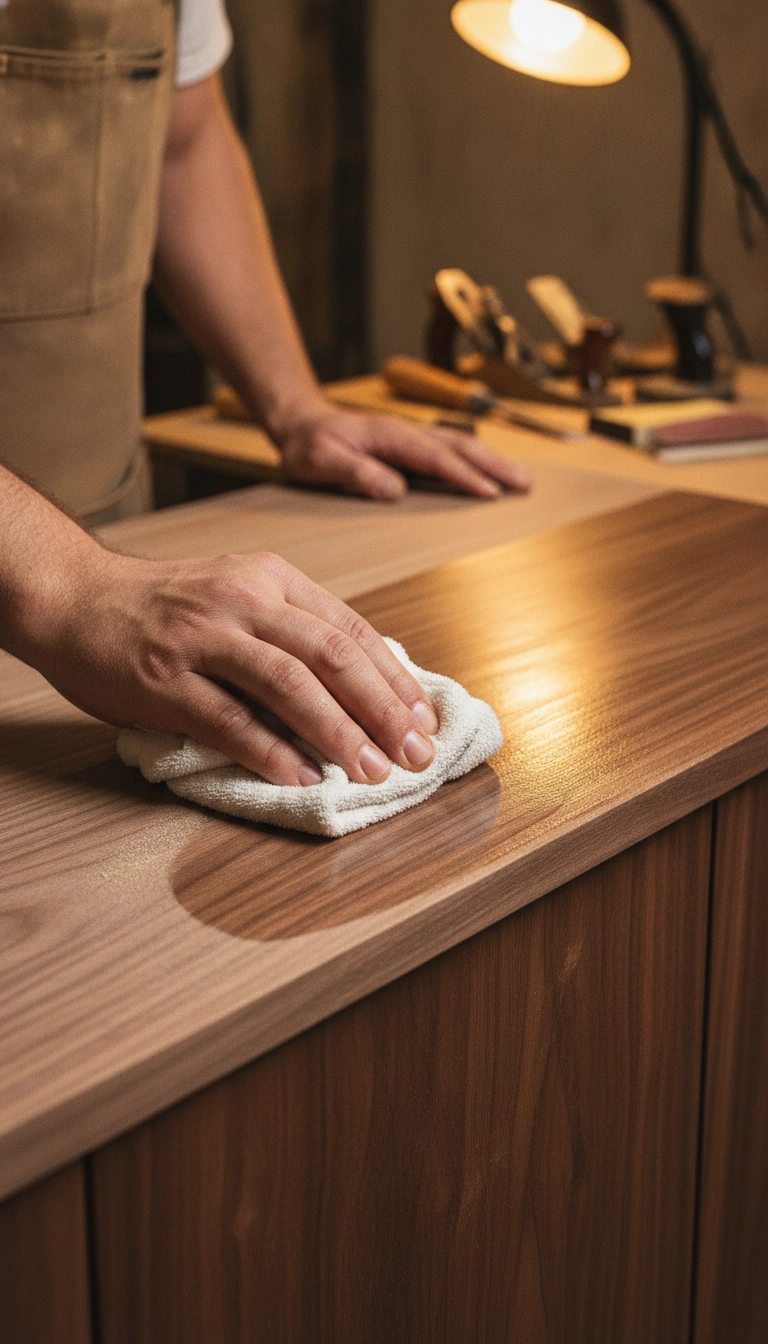
A good project starts with spatial analysis. Woodworkers measure floor footprints, track natural window light, and review fabric swatches before drawing initial geometric designs.
Material selection comes next. You review grain samples, feel natural linen or leather swatches, and choose clear oil finishes. That aligns the visual plan before any cutting starts.
Then the builder cuts and dry-fits the boards using hand chisels and precision machinery. No rushing here. Every joint must align square.
Finishing takes time. Multiple rounds of hand sanding followed by coats of hardwax oil. It takes patience, but the result is a durable piece tailored for your home.
To help you navigate a custom commission, here is the step by step workflow from initial concept to completed installation.
My Take
Pay close attention during the dry fitting stage. A true artisan assembles the entire piece dry to verify joint friction and structural squareness before applying any adhesive.
Account for Fabrication Lead Times
Authentic custom commissions typically require eight to twelve weeks from concept approval to final installation. Plan home projects well in advance.
Conclusion
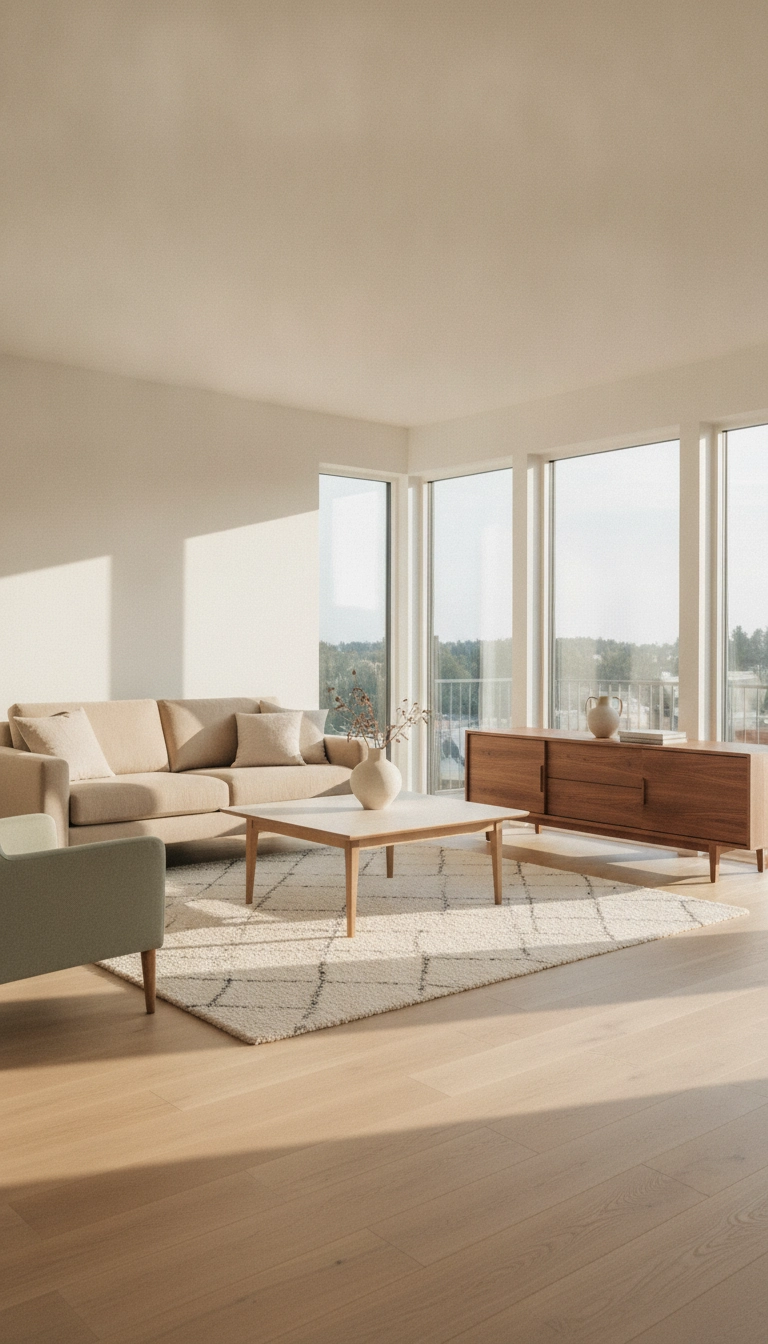
Buying custom scandinavian wooden furniture is a solid investment in structural beauty and daily comfort. Picking solid hardwoods and proven joinery helps you build a space that feels calm and stays functional.
When you are ready to upgrade your home, look for local woodworkers who value natural materials and traditional joinery. Contact an independent maker today to start your project.